
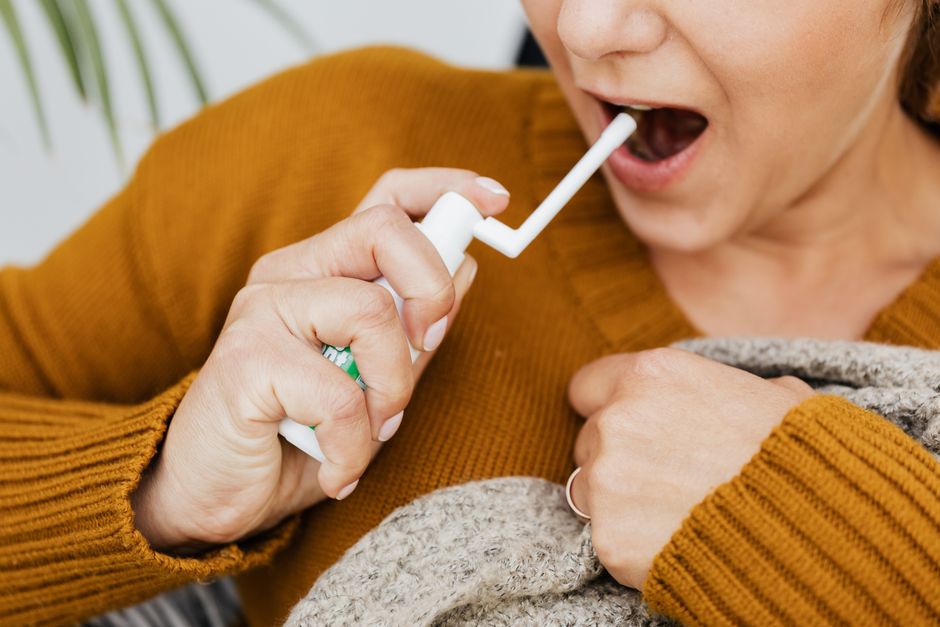
I spent years waking up with a mouth that felt like a desert, chugging water in the middle of the night. I blamed everything but the real culprit.
If you're waking up with a persistently dry mouth, it's not just in your head. The hormonal shifts of this life stage are one of the primary perimenopause dry mouth causes. Falling estrogen and progesterone levels directly impact your body's ability to maintain moisture, especially in the mucous membranes that produce saliva.
Why Are Hormones a Key Factor in Perimenopause Dry Mouth Causes?
For a long time, I didn't connect the dots between my hormones and my mouth. It just seemed like another random, annoying symptom. But the connection is actually very clear. Your hormones, especially estrogen, are deeply involved in regulating fluid balance throughout your body, and that includes your salivary glands. As estrogen levels decline, the relationship between estrogen and saliva production is disrupted, and these glands can get less stimulation, leading to reduced saliva production. (Dry Mouth During Perimenopause, 2023)
This sensation has a clinical name—xerostomia—and it's recognized as a common oral health issue for women in midlife. (Xerostomia – A Comprehensive Review..., 2022) So no, you're not just dehydrated. It's a real physiological response to the profound changes happening in your body. It’s one of the lesser-known perimenopause symptoms, but it can have a big impact on your day-to-day comfort.
Is It Just About Less Saliva, Or Is There More To It?
Here’s where it gets more complex. It's not always about the amount of saliva you're producing. The quality of the saliva itself can change. Research shows that as hormones fluctuate, the actual composition of your saliva can be altered, affecting its pH and its ability to protect your teeth and gums. (Xerostomia – A Comprehensive Review..., 2022) Your saliva is a natural buffer, and when it’s not doing its job properly, your mouth feels it.
This is why dry mouth often shows up with other strange oral symptoms. You might notice a burning sensation on your tongue or a weird, metallic taste that just won't go away. That metallic taste even has a name: dysgeusia. (Metallic Taste and Taste Changes in Perimenopause..., 2023) This is often part of a pattern of new oral and facial symptoms, which for some women also includes nightly teeth grinding and jaw clenching. It’s all connected back to your changing hormonal health and how it impacts one of the most sensitive parts of your body.
What Makes Perimenopause Dry Mouth Causes Seem Worse at Night?
If you find the dryness is most intense right when you’re trying to sleep, that’s incredibly common. And there’s a reason for it. Our bodies naturally dial down saliva production overnight as part of our circadian rhythm. (Perimenopause Dry Mouth: Causes & Relief Tips, 2024) Everyone experiences this to some degree.
But when you're in perimenopause, you're dealing with a double hit. You have the natural nightly decrease layered on top of the hormonally-driven reduction in moisture. This combination is why so many women experience severe hormonal dry mouth at night, and it’s why you might wake up frequently feeling like your tongue is stuck to the roof of your mouth. It's not just an inconvenience; that kind of disrupted sleep is exhausting. Understanding the underlying perimenopause dry mouth causes is the first step to figuring out what might help.
What This Means for You
Look, knowing that hormones are likely behind your dry mouth is validating. It’s not just you. Still, it's important to remember that while hormones are a huge piece of the puzzle for perimenopause dry mouth causes, they aren't always the only one. Certain medications—like antihistamines or blood pressure drugs—can also cause dryness. So can chronic dehydration or even breathing through your mouth at night. (Dry mouth during perimenopause..., 2024) In some cases, it could also point to an underlying condition like Sjögren's syndrome.
The best first step is to bring it up with your doctor or dentist. They can help you rule out other factors and confirm if what you're experiencing is tied to your shifting hormones. This isn't about fear-mongering—it’s about being smart and methodical. You’re just gathering information to take better care of yourself. Integrating a supportive regimen, like The Complete Day & Night System, can help manage the daily and nightly challenges of this transition. You deserve to feel comfortable, and you definitely deserve a good night's sleep.
Frequently Asked Questions
Can perimenopause cause dry mouth even if I drink a lot of water?
Yes, it absolutely can. While staying hydrated is important, hormonal dry mouth isn't just about a lack of water. Declining estrogen reduces moisture in your mucous membranes, affecting saliva production at the source. So even with adequate water intake, you may still feel persistently dry.
Is the metallic taste in my mouth related to perimenopause dry mouth?
It very well could be. This symptom, called dysgeusia, is often linked to the same hormonal shifts and changes in saliva composition that cause dry mouth. The two frequently appear together as part of the broader picture of changing oral health during perimenopause.
Does dry mouth from perimenopause ever go away?
For many women, symptoms like dry mouth can improve as their bodies adjust to a new hormonal normal post-menopause. However, it can persist for some. Focusing on supportive habits for oral health and overall wellness can help manage the discomfort regardless of how long it lasts.
Sources
- Xerostomia – A Comprehensive Review with a Focus on Mid-Life Health (2022)
- Dry Mouth During Perimenopause (2023)
- Metallic Taste and Taste Changes in Perimenopause: Why... | Peritale (2023)
- Dry mouth during perimenopause: Symptoms & relief | Voy (2024)
- Perimenopause Dry Mouth: Causes & Relief Tips | Acibadem Health... (2024)
These statements have not been evaluated by the Food and Drug Administration. This content is not intended to diagnose, treat, cure, or prevent any disease.