
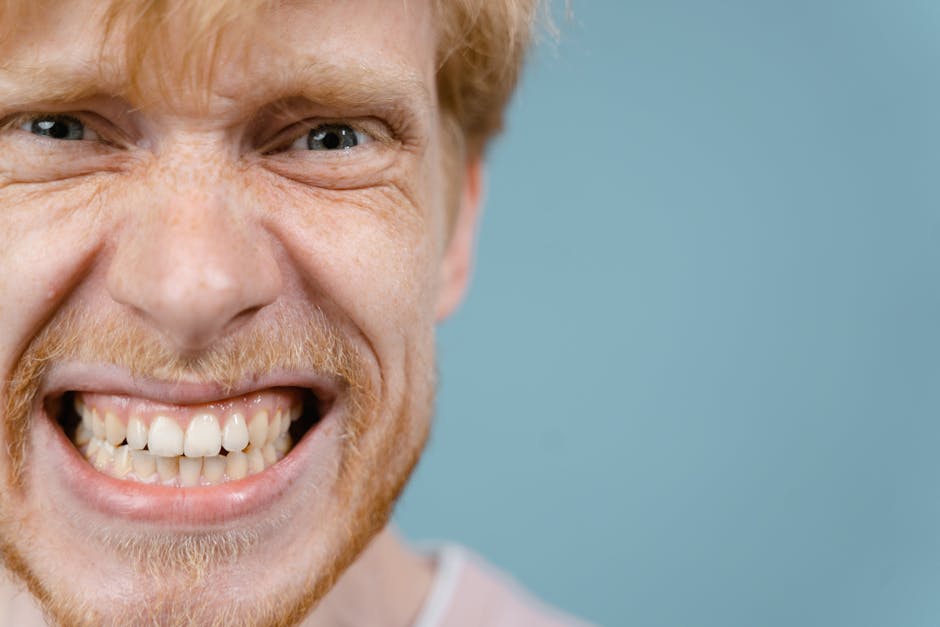
I used to wake up with a pounding headache and a jaw so sore I could barely open my mouth for that first sip of coffee. I chalked it up to stress for years. Which was true, but it wasn't the whole story.
If you've suddenly started with perimenopause teeth grinding at night, you're not imagining things. While science hasn't proven perimenopause directly *causes* teeth grinding, the two often show up together. The hormonal shifts of this phase can contribute to higher stress and disrupted sleep, which can put your nervous system on high alert—creating the tension and jaw pain perimenopause sufferers often report all night.
Is Jaw Clenching an Official Symptom of Perimenopause?
Honestly? It’s not on the official checklist next to hot flashes and irregular periods. Nocturnal bruxism, the medical term for nighttime teeth grinding and clenching, is classified as a sleep-related movement disorder. But if you’re suddenly dealing with it, you’re in good company. So many of us start noticing it right around the time everything else starts to feel… different.
The science is just starting to catch up to our experiences. A 2024 integrative review highlighted that there's a big gap in research focused on the oral health needs of women going through this transition. We do know that hormones impact our oral wellness. Older studies have shown, for example, that hormone shifts can affect saliva flow and that HRT with estriol may reduce complaints of dry mouth. More like this in the Glomend Journal. So while we can’t point to a study that says, "estrogen drops cause teeth grinding," we can see how the whole ecosystem is connected. The stress of perimenopause, the anxiety, the terrible sleep—it all creates the perfect environment for a tense jaw.
How Does Stress Wreck Your Jaw While You Sleep?
Think about what perimenopause asks of your body. It’s a marathon of hormonal flux, and it can leave your nervous system feeling frayed. There’s more on how to tell hormonal anxiety from burnout here. You’re running on fumes, your sleep is broken, and your body is under a constant, low-grade level of stress. This can lead to issues with sleep bruxism; cortisol dysregulation is often a key factor. When you finally lie down at night, your brain might be exhausted, but your body can still be buzzing with that unresolved "fight or flight" energy. And that tension has to go somewhere.
For a lot of us, it goes straight to the masseter muscles in our jaw. This isn't just a quirky habit. The repetitive muscle activity can generate some serious force, potentially damaging your teeth, the surrounding bone, and even the temporomandibular joint (TMJ) itself. It’s a vicious cycle: stress and anxiety contribute to grinding, the grinding and pain disrupt your already fragile sleep, and the lack of good sleep makes it harder to cope with stress the next day. Finding ways to manage that anxiety with support like GloSerene can help break the cycle. Sound familiar? And honestly? It’s exhausting.
So, What Can You Do About Perimenopause Jaw Clenching?
The bad news is that there’s no single, definitive cure for sleep bruxism. The good news is that you’re not powerless. Just understanding that this new, frustrating symptom is likely tied to the broader changes happening in your body is a huge first step. It’s not some random thing you just have to live with.
The most practical first move? Talk to your dentist. They can check for signs of wear and tear and can make you a custom night guard. It won't stop the clenching, but it acts like a cushion to protect your teeth from the force. Think of it as harm reduction for your mouth. From there, the work is less about "fixing" the grinding and more about supporting your overall wellness. It’s about looking at your sleep, your stress, and finding ways to help calm your nervous system before you even get into bed. It’s a process, but a little bit of support with a dedicated formula like GloRest can go a long way.
Frequently Asked Questions
Does perimenopause directly cause teeth grinding?
There isn't a proven, direct causal link in the research yet. Instead, it seems to be an association. The hormonal changes in perimenopause can increase stress and severely disrupt sleep, which are both major triggers for bruxism (teeth grinding).
Is a sore jaw in the morning a sure sign of perimenopause teeth grinding?
It’s a very common sign, along with dull headaches or visible wear on your teeth. But it's not a self-diagnosis. It's really important to see a dentist to get a proper evaluation and rule out any other issues.
Will going on HRT stop my jaw clenching?
There's no research to suggest HRT is a treatment for bruxism. While it might help with other perimenopause symptoms that contribute to your stress (like hot flashes or mood swings), it's not considered a direct solution for grinding itself.
Sources
- Teeth grinding (bruxism) - Symptoms and causes (2024)
- Bruxism (Teeth Grinding): Symptoms, Causes & Treatment (N/A)
- Unconsciously Clenching Jaw: Causes and Treatment Options (N/A)
- Oral Health and Menopause: A Comprehensive Review on Current Knowledge and Associated Dental Management (2013)
- Nutrients Associated with Sleep Bruxism - PMC - NIH (2023)
- Menopause and oral health - PMC - NIH (2014)
- Oral Health Care Among Women in Perimenopause or Menopause: An Integrative Review (2024)
This statement has not been evaluated by the Food and Drug Administration. This product is not intended to diagnose, treat, cure, or prevent any disease.