
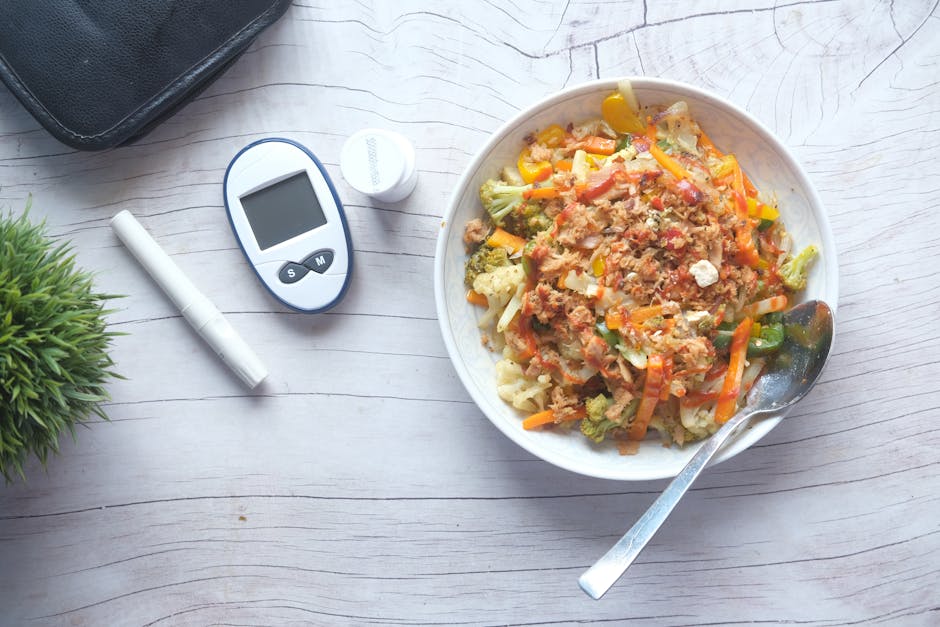
I used to think that 3 p.m. was my personal kryptonite. The exhaustion would roll in like a thick fog, my brain would just... buffer. For years, I told myself it was just part of being a busy woman in my 40s. It wasn't until I started paying attention to the specific hormone balancing foods on my plate, not just how much, that things started to shift.
Learning how to assemble my meals differently made a huge difference for that constant, draining fatigue. This isn't about a crazy restrictive diet, but a simple, repeatable framework to build a blood sugar balancing meal that supports more stable blood sugar, which can help you feel like a functioning human being all day long.
Step-by-Step: The Blood Sugar Balancing Plate
- Start with Protein. This is your anchor. Seriously, don't even think about the other stuff until you have your protein sorted. Protein slows down digestion, which helps prevent that sharp spike and subsequent crash in blood sugar that leaves you feeling wiped out. One study, while focused on adults with Type 2 Diabetes, showed how a specific protein supplement could affect glycemic response after a meal, pointing to protein's role in this process. I aim for a portion about the size of my palm — think grilled chicken, a piece of salmon, a couple of eggs, or a generous scoop of chickpeas.
- Fill Half Your Plate with Fiber. This is your secret weapon. I’m talking about non-starchy vegetables — broccoli, spinach, bell peppers, zucchini, asparagus, you name it. Go crazy here. The soluble fiber in these foods is incredible for helping to stabilize blood sugar fluctuations. Plus, all that fiber feeds the good bacteria in your gut, and a Here’s how your gut bacteria recycle estrogen, in more detail.healthy gut is so important for wellness and how your body manages hormones, especially during perimenopause. Some research has even linked low-fat, high-fiber diets to a reduction in things like hot flashes and better weight management in postmenopausal women.
- Don't Skip the Healthy Fat. For so long, we were told fat was the enemy. It’s not. Healthy fats — from sources like avocado, nuts, seeds, and olive oil — are essential. They help you feel full and satisfied, which is the key to not wanting to raid the pantry an hour after you've eaten. A few slices of avocado on your salad or a drizzle of good olive oil is all it takes. It makes your food taste better and keeps you feeling steady.
- Be Smart with Your Carbs. Notice this is the last thing we're adding to the plate. Carbs aren't bad; your brain literally runs on them. But the type and timing matter so much more now. Instead of refined, sugary carbs that send your blood sugar on a rollercoaster, choose smaller portions of complex, fiber-rich options. A half-cup of quinoa, a small sweet potato, or some black beans. Sticking to a consistent eating schedule with a defined amount of carbohydrates at each meal is a key strategy for limiting those big blood sugar swings that are so common in perimenopause.
How Can I Make This Work Long-Term?
The goal here is consistency, not perfection. And honestly? That's a relief. Don't get bogged down in trying to make every single meal perfect. If you have a slice of birthday cake, enjoy it. Just aim to build a blood-sugar-friendly plate for your next meal. The real power comes from making this your default way of eating most of the time.
Think of it as creating a reliable rhythm for your body. Research shows that establishing a consistent daily eating schedule can be a really effective strategy in perimenopause. Your body starts to learn what to expect and when. It stops panicking, and so do you. This isn't about a diet with a start and end date; it's a sustainable perimenopause diet plan and a smarter, kinder way to feed yourself during a time when your body is going through so much.
Frequently Asked Questions
Does building my meals this way mean I can never have pasta again?
Absolutely not. This is about balance, not banishment. Think about adding to your pasta — a good serving of protein like chicken or shrimp, lots of fiber from roasted veggies, and a healthy fat like an olive oil-based sauce. It’s about making the meal work for you, not cutting out foods you love.
How do I build a blood sugar balancing meal when I'm eating out?
It's totally doable. Look for menu items that you can deconstruct using the same principles. Scan for a protein source first (grilled fish, steak, tofu), then look for the veggies. Ask for a side salad or double veggies instead of fries, and ask for the dressing on the side. Most restaurants are happy to accommodate.
I feel like I'm doing this, but I'm still exhausted. What gives?
Nutrition is a huge piece of the puzzle, but it's not the only piece. Perimenopause fatigue can also be tied to sleep quality and stress levels, where a supportive routine like The Complete Day & Night System can make a difference. This way of eating can provide a fantastic foundation for better energy, but don't forget to look at your sleep hygiene and More on how to tell hormonal anxiety from burnout.stress management, too. And always, always talk to your doctor.
Sources
- Effect of a Diabetes-Specific Protein Supplement (DSPS) on Postprandial Glycemic Responses in Adults with Type 2 Diabetes: A Randomized Crossover Study in India. (2026)
- The Importance of Nutrition in Menopause and Perimenopause—A Review - PMC (2024)
- Perimenopause 101: Understanding Its Impact on Blood Sugar and Weight Management (2025)
- Frontiers | Dietary interventions and nutritional strategies for menopausal health: a mini review (2025)
- Efficacy and Safety of Nutrient Supplements for Glycaemic Control and ... (2022)
- Blood glucose: How diet, lifestyle, and supplements may ... - Examine (2024)
- Tailored Meal-Type Food Provision for Diabetes Patients Can ... (2024)
- DASH Diet Modified for Diabetes Lowers Blood Sugar Levels in ... (2025)
- Efficacy of a meal sequence in patients with type 2 diabetes ... (2022)
This statement has not been evaluated by the Food and Drug Administration. This product is not intended to diagnose, treat, cure, or prevent any disease