
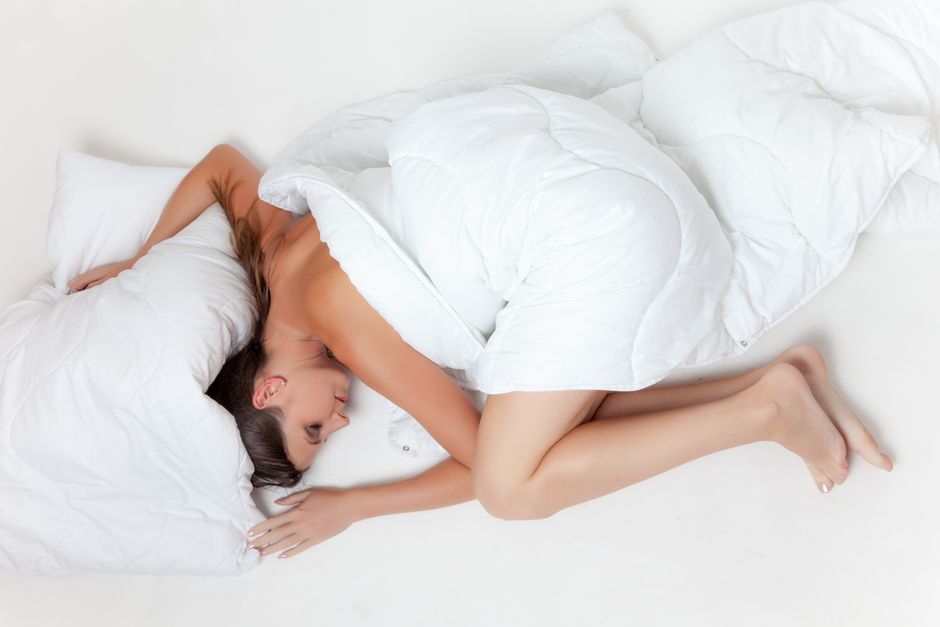
For years, I thought waking up drenched in sweat at 2 a.m. was just my new normal. That, and the feeling that my brain was packed in cotton wool. I tried everything—melatonin, new pillows, no coffee after noon—but I never once thought the answer might be in my gut.
An imbalanced gut, specifically a set of microbes called the estrobolome, can disrupt how your body processes and clears estrogen. During perimenopause, this can amplify the natural hormonal fluctuations, potentially interfering with your sleep-wake cycle and leaving you feeling exhausted and foggy.
So, what exactly is the ‘estrobolome’?
I get it. The word sounds like something out of a science fiction movie. But it’s actually pretty straightforward. Your gut microbiome is a massive community of trillions of bacteria, and the estrobolome is a specialized crew within that community. Their main job? To help metabolize your body’s estrogen.
Think of them as recyclers. They produce an enzyme called β-glucuronidase. When everything is working well, this enzyme helps package up estrogen that your body is finished with, so it can be shown the door. But when this little ecosystem gets out of balance, the process can go haywire. The enzyme can essentially un-package that "used" estrogen, allowing it to get reabsorbed back into your system instead of being excreted. This means more estrogen circulating when it shouldn't be, adding fuel to the hormonal fire.
How does a gut problem turn into a sleep problem?
This is where it all clicked for me. The erratic hormonal swings that define perimenopause are strongly associated with symptoms that probably sound very familiar: weight gain, brain fog, fatigue, and—the big one—disrupted sleep. The rest of the Glomend Journal is here. When your estrogen levels are on a rollercoaster, it can mess with the delicate systems that are supposed to help you fall and stay asleep.
And you are not imagining it. You're not alone in this, either. Research shows that up to 60% of women report trouble sleeping during this transition. Sixty percent. It’s a huge number. What's worse is the vicious cycle it creates. Poor sleep can actually alter the communication between your gut and your brain, which in turn can negatively impact your microbiome's health. So, you can’t sleep because of your hormones, and then your lack of sleep makes your gut—and therefore your hormones—even more unsettled. And honestly? It’s exhausting.
The science is still emerging here, but the connection is becoming clearer. The shifts our bodies go through in perimenopause aren't just happening in our ovaries; they’re happening in our guts, too. In fact, studies suggest that menopause itself is linked to changes in the gut microbiome's composition and even the strength of the intestinal lining. If this sounds familiar, see the link between your gut and anxiety. It’s a two-way street—our hormones affect our gut, and our gut affects our hormones.
What This Means for You
Hearing all this isn't about adding one more thing to your worry list. For me, it was the opposite. It was a relief. It meant my exhaustion and sleepless nights weren't just a personal failing or something I had to "power through." There was a biological reason behind it all, and it gave me a new place to focus my energy—on supporting my gut health.
This isn't about a quick fix. It's about understanding the deep connection between your digestive wellness and your hormonal wellness. It’s about seeing your body as an interconnected system. Paying attention to your gut health is one way you can support your body as it navigates the incredible changes of perimenopause. It’s one piece of a very complex, very personal puzzle.
Frequently Asked Questions
Does this mean taking probiotics will solve my sleep issues?
That would be nice, wouldn't it? But there's no single magic bullet for perimenopausal sleep. Probiotics can be a way to support a diverse gut microbiome, but they're just one tool. A targeted sleep support supplement like GloRest, great sleep hygiene, stress management, and nutrition all play a huge role, too. It’s about the big picture.
Is the estrobolome the only reason for poor sleep in perimenopause?
Not at all. The estrobolome is one piece of a much larger puzzle. Other factors like declining progesterone (our calming hormone), night sweats, and increased anxiety can all seriously disrupt sleep. The gut-hormone connection is an important angle, but it’s definitely not the whole story.
If my hormones are fluctuating anyway, why does the gut's role even matter?
That's a great question. While fluctuations are a normal part of perimenopause, a gut that isn't functioning optimally can make those swings feel more dramatic. By supporting your estrobolome with targeted support like GloBalance, you may be helping your body's natural estrogen-clearing processes work more efficiently, which could contribute to a smoother ride.
Sources
- Supplementation with a Probiotic Formula Having β-Glucuronidase Activity Modulates Serum Estrogen Levels in Healthy Peri- and Postmenopausal Women (2024)
- The estrobolome: Estrogen‐metabolizing pathways of the gut microbiome and their relation to breast cancer (2022)
- Menopause Is Associated with an Altered Gut Microbiome and Intestinal Barrier Function (2022)
- Understanding Perimenopause and Gut Health (2025)
- How gut health shapes your hormones in perimenopause (2025)
- Gut & Sleep: How Digestion Impacts Perimenopause Rest (2025)
This statement has not been evaluated by the Food and Drug Administration. This product is not intended to diagnose, treat, cure, or prevent any disease.