
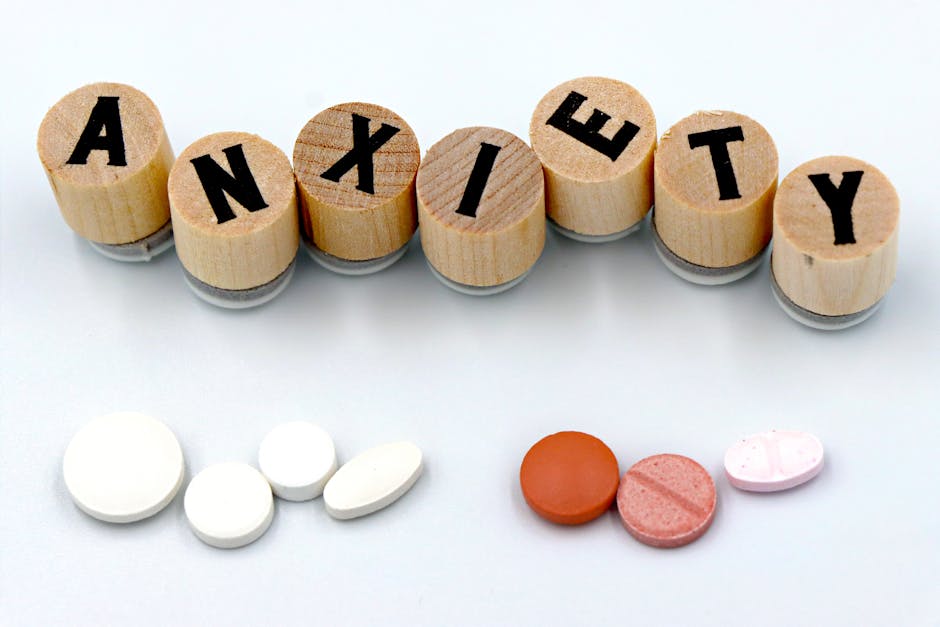
Is this anxiety? Or is it just... stress? Trying to figure out what’s going on inside your own body—let alone how to support it—can feel like one more exhausting task on an already endless list.
This guide is to help you tell the difference. We’ll walk through the feelings behind perimenopausal anxiety versus chronic stress—what they are, how they’re different, and what that means for choosing the right kind of support for your body. No fluff, just what you need to know.
Untangling the Wires: Perimenopausal Anxiety vs. Chronic Stress
For years, I just called it "overwhelmed." I was irritable, my sleep was a mess, and my brain felt like a browser with 50 tabs open. I thought it was just the pressure of midlife—kids, aging parents, career, all of it. But there are distinct things happening in our bodies during this time, and understanding them was the first step to feeling better.
Let's be clear: stress and anxiety are tangled up. They feed each other. But they often have different roots, especially in perimenopause. Think of it like this: one is an overactive alarm system, and the other is the fire that keeps setting it off.
When It Feels Like an Overactive Alarm: Anxiety
This is that internal hum. The feeling of dread for no reason, a racing heart while you're just sitting on the sofa, or the constant loop of "what if?" scenarios in your head. It’s less about a specific problem (the "fire") and more about your body’s alarm system (your nervous system) being stuck on high alert.
During perimenopause, our hormones can really mess with this system. Declining estrogen can disrupt the balance of neurotransmitters—the chemical messengers in your brain. When neurotransmitters like serotonin, dopamine, and GABA get thrown off, it can feel like the brakes on your brain aren't working right. GABA, in particular, is your main calming neurotransmitter. When it’s not doing its job effectively, everything can feel amplified.
You might be dealing with anxiety if your feelings are characterized by:
- A sense of impending doom or dread that comes out of nowhere.
- Racing, intrusive thoughts you can't seem to turn off.
- Physical symptoms like a tight chest, shortness of breath, or jitters.
- Feeling constantly "on edge" or jumpy.
When It Feels Like a Never-Ending Fire: Chronic Stress
Stress is different. It’s usually a response to an external trigger—your job, your finances, a family issue. The problem is, in modern life, those triggers never seem to turn off. This creates chronic stress, where your body is constantly marinating in the stress hormone cortisol.
Think of cortisol as your body’s emergency responder. It’s supposed to give you a burst of energy to handle a threat and then go away. But when the "threat" is your inbox, your commute, or your to-do list, the cortisol tap stays on. This leads to that classic "wired and tired" feeling. You’re exhausted, but you can’t relax. Over time, this can cause a whole host of issues, from digestive problems and headaches to a weakened immune system. These physical symptoms can easily overlap with—and worsen—other perimenopausal complaints. The rest of the Glomend Journal is here.
You might be dealing with chronic stress if your feelings are characterized by:
- Feeling exhausted but unable to sleep deeply.
- Relying on caffeine or sugar for energy boosts.
- Craving salty or sweet foods.
- Feeling irritable, cynical, or mentally foggy.
The Unhelpful Truth: It's Probably Both
Here’s the thing—it’s rarely a clean split. Chronic stress can absolutely cause anxiety. And the physical symptoms of anxiety can be incredibly stressful. It’s a vicious cycle.
And honestly? The science is still catching up. A recent 2024 study found that a woman's age was a bigger factor in her stress and anxiety levels than her specific menopausal stage. The same study showed that psychological traits like resilience played a huge role, regardless of hormones. So it's not *just* about hormones. It's about everything hitting at once. More on why you stopped bouncing back from stress.
The research on botanical support is also frustratingly thin for women our age. Many studies are done on other groups, and the results are just assumed to apply to us—which isn't always the case. This leaves us to do our own detective work. The goal isn't to get a perfect diagnosis from an article online. It's to listen to your body and get a better sense of what it's asking for.
What to Look for (and Avoid) in a Mood Support Supplement
When you're looking for support, the goal is to be targeted. If your "alarm system" is haywire, you want ingredients that help promote a sense of calm. If you're burned out from the "fire," you want ingredients that support your body's resilience and stress-response systems.
Look for formulas with clinically-researched ingredients at effective dosages. Transparency is everything. You want to see exactly what you're getting, not a "proprietary blend" that hides the amounts of each ingredient.
What to avoid? Fillers, artificial colors, and mega-doses that your body can't even absorb. And be wary of any brand that promises a quick fix or a "cure." That's not how this works. True support is about giving your body the tools to find its own equilibrium over time.
Our Picks: How to Choose Your Support
Instead of a one-size-fits-all approach, we believe in targeted support. Based on what you've read, see which of these paths sounds more like you. Remember, these are not treatments, and you should always talk to your doctor.
If you’re feeling more anxious and “on edge”...
You're looking for the kind of support found in effective calming supplements for women. Something to help take the edge off those racing thoughts and that internal hum. Your focus is on nourishing your nervous system.
For this, we suggest exploring GloSerene. It’s formulated with ingredients like L-theanine and Magnesium, which are known for their roles in supporting relaxation and a calm state of mind.
If you’re feeling more stressed and “burned out”...
You need support for resilience. Something to help your body better adapt to the constant demands being placed on it. Your focus is on your adrenal and stress-response systems, the area targeted by many supplements for cortisol support.
For this, consider GloBalance. It features adaptogens like Ashwagandha, which has been traditionally used for centuries to help the body cope with life's stressors and support energy levels.
If sleep is your biggest battle...
Often, poor sleep is the first domino to fall, making both anxiety and stress a thousand times worse. If getting restful sleep feels like the most important first step, that's where you should start.
For sleep support, look at GloRest. It combines ingredients that are traditionally used to help you fall asleep and stay asleep, without feeling groggy the next day.
Frequently Asked Questions
Can perimenopause cause new anxiety, or does it just make existing anxiety worse?
It can do both. For some women, the hormonal shifts of perimenopause can trigger anxiety for the first time. For others who've always been a bit anxious, this phase can definitely turn up the volume on those feelings.
Is it better to target anxiety with something for GABA or stress with something for cortisol?
It depends on what feels most prominent for you. The goal isn't to "fix" GABA or cortisol, but to use those concepts to identify your main struggle. If you feel dread and racing thoughts (anxiety), calming support may be a good starting point. If you feel exhausted and overwhelmed (stress), adaptogenic support might be more helpful.
How do I know if it's my hormones or just the stress of midlife?
Honestly, it's almost impossible to separate them completely, and you don't have to. Hormonal changes make you more vulnerable to stress, and stress makes hormonal symptoms worse. The best approach is to support your body as a whole, focusing on stress management, nutrition, and targeted supplements that align with how you feel day-to-day.
Ready to Choose?
Your body is giving you clues. Listening to them is the first step. Explore our targeted formulas to see which one might best support your wellness goals.
→ For a calmer mind: GloSerene
→ For stress resilience: GloBalance
→ For restorative sleep: GloRest
Sources
- Stress, depression, and anxiety: psychological complaints across menopausal stages (2024)
- Perimenopause Anxiety: Symptoms, Diagnosis, and Treatment (2023)
- Stress Symptoms: Physical Effects of Stress on the Body (2022)
- Botanical and Dietary Supplements for Menopausal Symptoms: What Works, What Doesn’t (2007)
- Botanical and dietary supplements for mood and anxiety in menopausal women (2006)
- Hormonal Anxiety Symptoms: 7 Alarming Signs (2024)
This statement has not been evaluated by the Food and Drug Administration. This product is not intended to diagnose, treat, cure, or prevent any disease.