
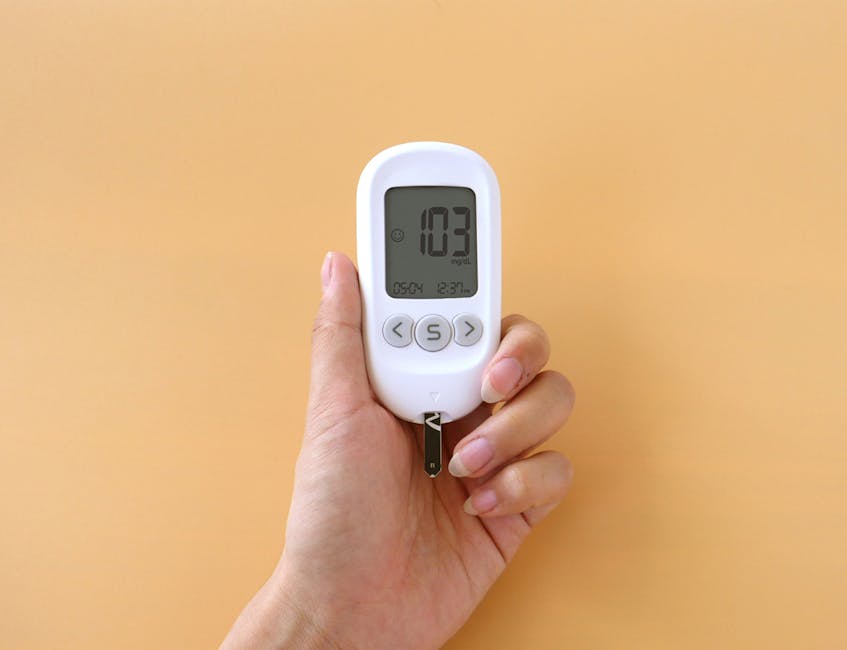
It’s 3:17 a.m. and you’re wide awake. Again. Your heart is doing a weird little drum solo against your ribs, and you feel a buzzing, anxious energy for no reason at all.
It’s not just you. This middle-of-the-night jolt is a classic perimenopause experience, and it’s often tied to how your blood sugar and perimenopause sleep are interconnected. As our hormones shift, our ability to keep blood sugar stable can get shaky. A dip overnight can trigger a release of cortisol, the stress hormone, which wakes you up feeling jittery, hungry, or anxious.
So What’s Actually Happening in My Body?
For years, I just assumed my terrible sleep was from stress. And it was, in a way—just not the kind I was thinking about. During perimenopause, as estrogen and progesterone levels fluctuate, our bodies can become more sensitive to changes in blood glucose. When your blood sugar drops too low in the middle of the night—a condition often called nighttime hypoglycemia in perimenopause—your body perceives it as a mini-crisis. So, your adrenal glands release cortisol to bring your sugar levels back up. This cortisol spike at night is a brilliant survival mechanism. The problem? Cortisol is also the hormone of “fight or flight.” It’s designed to make you alert and ready for action, which is the absolute last thing you want when you’re trying to sleep. That’s where the sudden, heart-pounding awakening comes from. And because the whole event was triggered by low blood sugar, it often comes with a side of intense hunger.
Is It Normal to Feel Like Everything Is Connected?
If you've had the thought, “My sleep, my mood, my weight… it all feels tangled together,” you are spot on. It is not in your head. The science is starting to paint a very clear picture of this connection. One large-scale study, the ZOE PREDICT study, found that post-menopausal women didn’t just have 12% poorer sleep—they also had 6% higher fasting blood glucose levels compared to pre-menopausal women. This shows a real, physiological link between our hormonal state and our metabolic health. They’re not separate issues; they influence each other.
And it goes a little deeper. The same study noted that post-menopausal women also had a 4% higher level of GlycA, which is a marker for systemic inflammation. So you have hormones, sleep quality, blood sugar regulation, and inflammation all in conversation with each other. More like this in the Glomend Journal. It’s a complex dance, and seeing the data can feel incredibly validating. It’s not a personal failure. It’s biology.
What This Means for You
Reading all of this might feel a bit discouraging, but I see it differently. Knowing what’s going on under the hood is the first step to figuring out how to support your body, not fight against it. We can't stop perimenopause, but we can learn to work with these new patterns. The focus really shifts to supporting your wellness and hormonal health throughout the entire day—not just at night. Simple things, like making sure your meals have a good balance of protein, healthy fats, and fiber, become so much more important. We write more about daily habits here. It’s about creating stability during the day to support a calmer night. And interestingly, research suggests that efforts to improve sleep may, in turn, help manage some of the hormonal shifts we experience. It’s a two-way street. By focusing on steady energy and better rest, you're supporting the very thing that can help keep blood sugar stable enough to avoid that overnight crash.
Frequently Asked Questions
Will eating a snack before bed stop me from waking up hungry?
For some women, yes, this can be helpful. A small snack that contains protein and fat—like a handful of almonds or a spoonful of nut butter—can provide a slow-release source of energy overnight. This may reduce the likelihood of the dip that leads to waking up hungry or jittery.
Why do I feel anxious when I wake up, not just hungry?
Because the hormone that yanks you from sleep is cortisol. It’s your body’s main stress hormone, and its job is to put you on high alert. That’s why the feeling is often one of anxiety or a sense of dread, rather than just a gentle nudge that you’re hungry.
Are there specific supplements that help with blood sugar and perimenopause sleep?
There's a lot of emerging research into how nutrition and certain botanicals can support women during this transition. For example, some studies have looked at soy isoflavones for symptom reduction. It’s always best to talk with your doctor about what might be right for your specific needs.
Sources
- Why Can’t I Sleep? The Real Reasons for Perimenopause Sleep Issues (and What Actually Helps) (2025)
- Blood Sugar and Sleep in Perimenopause and Menopause: What’s the Connection (2023)
- Menopause is associated with postprandial metabolism, metabolic health and lifestyle: The ZOE PREDICT study - PMC (2022)
- The Importance of Nutrition in Menopause and Perimenopause (2024)
- Botanical and Dietary Supplements for Menopausal Symptoms - PMC - NIH (2006)
- A Nutraceutical Approach to Menopausal Complaints - PMC (2019)
- Perimenopause: Sleeping more may increase estrogen, improve symptoms (2023)
- New ADM and University of Oxford study explores how probiotics affect mood and cognition in perimenopausal women (2024)
- TMHS 936: The Truth About Weight Gain During Perimenopause (2024)
This statement has not been evaluated by the Food and Drug Administration. This product is not intended to diagnose, treat, cure, or prevent any disease.