
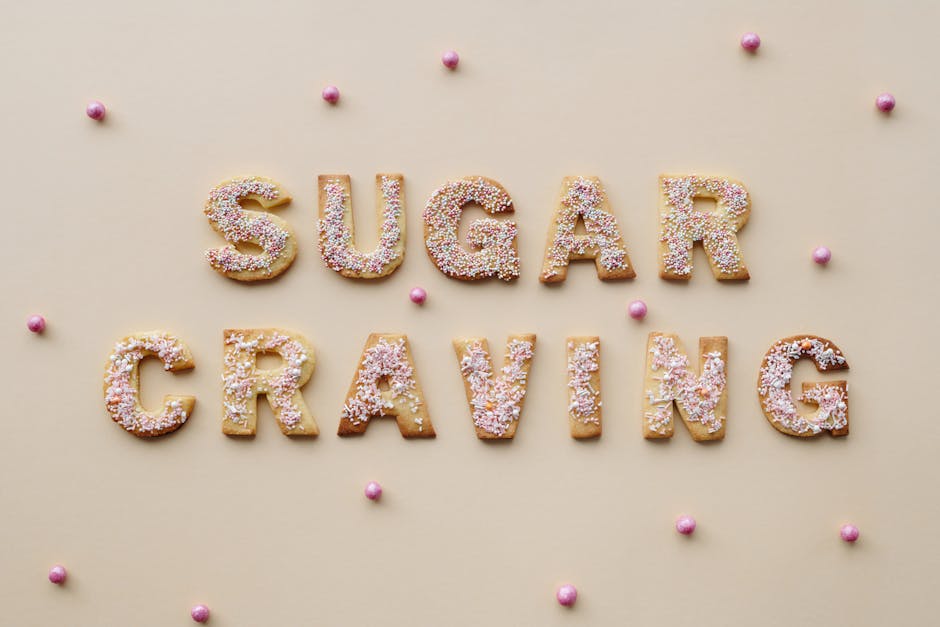
It’s 10 p.m. You’ve made it through the day. And then, right on schedule, the craving hits—a visceral, non-negotiable need for sugar that feels like it comes out of nowhere.
If you’re over 40 and experiencing intense perimenopause sugar cravings at night, it isn’t just a lack of willpower. Perimenopausal hormonal shifts can actually change your brain's reward system, making sugar more appealing. That late-night sweet then sends your blood sugar on a rollercoaster, leading to middle-of-the-night awakenings and disrupting your sleep.
So, Is It Just Me, or Is Perimenopause a Non-Stop Sugar Battle?
It is definitely not just you. For years, I blamed myself. I thought I just needed to be more disciplined. But the truth is, there’s a powerful biological current pulling you toward the pantry. As your estrogen levels fluctuate and fall during perimenopause, it can directly impact your brain chemistry. Research suggests these changes can amplify the brain’s response to sweet foods, making that cookie feel less like a treat and more like a necessity.
And let’s be honest—this phase of life is stressful. The mood swings are real. The exhaustion is real. There’s more on how blood sugar swings hijack your mood here. When you feel low or anxious, reaching for sugar is a common way to self-soothe. It’s a temporary mood-lifter, a quick hit of comfort when everything else feels out of control. So you’re not just fighting a craving; you’re fighting a deeply ingrained coping mechanism that your own biology is suddenly encouraging. It’s a tough spot to be in.
How Does That Late-Night Snack Actually Sabotage My Sleep?
You eat the ice cream. It’s delicious. You feel better for a moment. But then you’re wide awake at 2 a.m., staring at the ceiling. Why?
It’s the blood sugar crash. A blast of sugar before bed—especially without fiber or protein to slow it down—causes a rapid spike in blood glucose. Your body scrambles to manage it, releasing a flood of insulin. A few hours later, this can lead to a sharp drop in blood sugar. Your body interprets this sudden drop as an emergency. So it releases stress hormones like cortisol to get your levels back up. Cortisol is your get-up-and-go hormone. It’s the last thing you want surging through your body in the middle of the night.
This hormonal jolt is often what pulls you out of deep, restorative sleep or wakes you up entirely. And if you're already struggling with sleep—which is incredibly common for women in this phase of life—this cycle can feel relentless.
What This Means for You
Knowing the why behind the craving can be a huge relief. It’s not a personal failing. It’s physiology. This isn’t about waging a war against sugar or adopting some perfect, rigid diet. And honestly? That’s exhausting. It’s about understanding what your body is going through and finding ways to support it, not fight it. The rest of the Glomend Journal is here.
Maybe it starts with making sure your dinner has enough protein and healthy fats to keep you feeling full and your blood sugar stable. Maybe it's finding a different way to unwind at night that isn't rooted in the pantry. The goal isn't perfection; it’s about making small, sustainable shifts. Researchers are constantly exploring how nutrition can support women during this time, with some studies even looking at the role of things like soy isoflavones in managing symptoms. It just shows that what you eat really can play a supportive role in your overall wellness.
Frequently Asked Questions
Can perimenopause cause sugar cravings only at night?
Yes, for many women, it can. Decision fatigue from the day can lower your willpower, and the evening is often when cortisol levels naturally shift, which can influence cravings. Combine that with the hormonal changes of perimenopause, and you have a perfect storm for late-night sugar seeking.
Is it the sugar itself or the hormone shifts that are waking me up?
It's really the combination of both. Perimenopausal hormone changes can already make you more prone to sleep disturbances. When you add a blood sugar spike-and-crash from a late-night sugary snack, it just gives your body another major reason to jolt you awake.
Are there certain foods that are better if I absolutely need a late-night snack?
If you need something, reaching for a snack that balances protein, healthy fat, and complex carbs is a better bet for stable blood sugar. Think a small handful of almonds, a bit of Greek yogurt, or an apple with peanut butter. The goal is to avoid the fast, sharp spike you get from pure sugar.
Sources
- Sugar's Impact on Sleep: Uncovering the Hidden Connection (N/A)
- Why Do I Crave Sugar and Sweets? 4 Potential Causes (2023)
- Why You're Always Craving Sugar—Plus, Expert Tips on How to Stop (2024)
- The Importance of Nutrition in Menopause and Perimenopause (2024)
- Insights from Focus Groups Exploring Nutrition and Chemosensory ... (2025)
- Relationships between Premenstrual Syndrome (PMS) and Diet (2024)
- Taming Perimenopause Sugar Cravings: A Gynecologist's Expert Guide ... (N/A)
- Perimenopause: From Research to Practice (2016)
- Why Sugar Cravings Spike in Perimenopause (N/A)
These statements have not been evaluated by the Food and Drug Administration. This product is not intended to diagnose, treat, cure, or prevent any disease.