
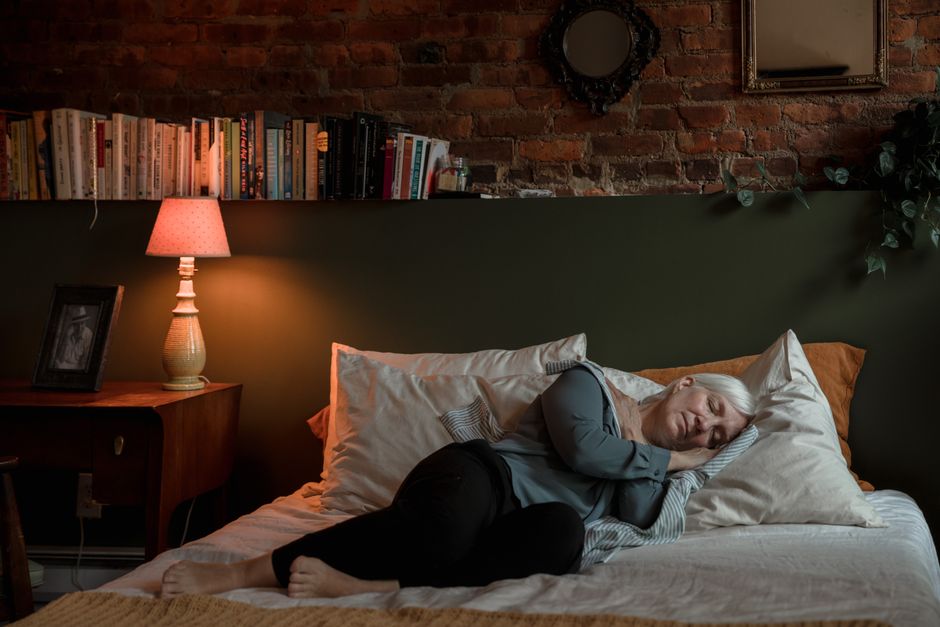
The refrigerator kicking on. The cat jumping off the bed. For years, these were just background noises I slept right through. Then, somewhere around 42, they became my personal, 3 a.m. alarm clocks.
If you're suddenly a light sleeper, perimenopause is a likely culprit. Fluctuating hormones, especially the decline of sleep-promoting progesterone, can lower your auditory arousal threshold. This increased sound sensitivity at night means your brain becomes more reactive to sound during sleep, causing minor noises that you used to ignore to jolt you awake.
So, Why Am I Suddenly Such a Light Sleeper During Perimenopause?
It's not in your head, and you're not just getting "old." There’s real sleep science behind this. Every person has something called an auditory arousal threshold — basically, the minimum volume a sound needs to hit to wake you up from sleep. (Auditory Arousal Threshold: Why Sleepers Miss Alarms – Dawn Sleep, 2023) When you’re sleeping deeply, that threshold is high. A door slamming might not even do it.
But during perimenopause, it’s like someone turned that volume dial way, way down. The hormonal shifts your body is going through can directly impact the systems that regulate this threshold. That’s why the sound of the heat turning on is suddenly enough to have you wide awake and staring at the ceiling. And if it feels like you're the only one, you're not. One major study found that 37% of women between 40 and 55 reported difficulty sleeping. (Sleep Disturbance and Perimenopause: A Narrative Review, 2024) This is a shared experience.
What Do Hormones Actually Have to Do With It?
The main character in this story is progesterone. Think of it as your body's natural calming agent. For years, it helped you feel relaxed and had a sleep-promoting, almost hypnotic effect that helped you stay asleep. (Sleep Disturbance and Perimenopause: A Narrative Review, 2024) But perimenopause isn't a gentle, steady decline of hormones; it's more like a rollercoaster with unpredictable drops.
As progesterone levels fluctuate and generally trend downward, you lose some of that built-in sleep support. The result is often more fragmented sleep and more nighttime awakenings. Your brain is simply more... awake. This biological shift is one of the most common perimenopause sleep disruption causes and a primary reason why becoming a light sleeper perimenopause is one of the most common complaints I hear from other women. The foundation for deep, uninterrupted sleep feels like it’s eroding.
Is Stress Making My Light Sleeper Perimenopause Worse?
Yes, it likely is. It’s not just about what's going down (progesterone), but also what might be going up: cortisol. Cortisol is your main stress hormone, and it’s managed by a system called the HPA-axis. Perimenopause can throw this system out of balance, leading to dysregulation. And honestly? That's exhausting.
Some research suggests that this cortisol imbalance can contribute to a state of hypervigilance. (Sleep Disturbance and Perimenopause: A Narrative Review, 2024) It’s like your internal alert system is stuck in the "on" position, even when you’re supposed to be resting. Your body is scanning for threats that aren’t there. Because of that, your brain becomes much more likely to interpret a minor sound as something that requires your immediate attention. That's why being a light sleeper perimenopause can feel so tied to your daily stress levels.
What This Means for You
First, just knowing the "why" can be a huge relief. You’re not broken. Your body is navigating a massive hormonal transition, and your sleep is one of the first things to feel it. The goal isn't to force yourself to be a heavy sleeper again overnight but to support your body where it's at.
This is a good time to get serious about the things that are within your control. Think about managing evening stress, creating a truly dark and quiet room, and establishing a wind-down routine that signals to your over-alert brain that it's safe to rest. It’s about creating a buffer for your nervous system to soften the impact of these internal changes. You’re not fighting your body — you’re working with it.
Frequently Asked Questions
Why does every little noise wake me up during perimenopause?
This is likely due to a lowered auditory arousal threshold. Declining progesterone and potentially elevated cortisol can make your brain more sensitive and reactive to sounds during sleep. Essentially, your brain’s "wake up" trigger becomes much easier to pull, turning you into a very light sleeper.
Can perimenopause turn you into a light sleeper permanently?
Not necessarily. While becoming a light sleeper perimenopause is very common, sleep patterns often stabilize as your body adjusts to its new hormonal baseline in post-menopause. Many women find their sleep improves again by focusing on sleep hygiene and stress management techniques through the transition.
Does declining progesterone directly cause you to be a light sleeper?
It's a major factor. Progesterone has known sleep-promoting effects, so its decline removes a natural sedative signal for your brain. (Sleep Disturbance and Perimenopause: A Narrative Review, 2024) This contributes to more fragmented sleep and a higher likelihood of waking up from noises you previously would have slept through.
Sources
This statement has not been evaluated by the Food and Drug Administration. This product is not intended to diagnose, treat, cure, or prevent any disease.