
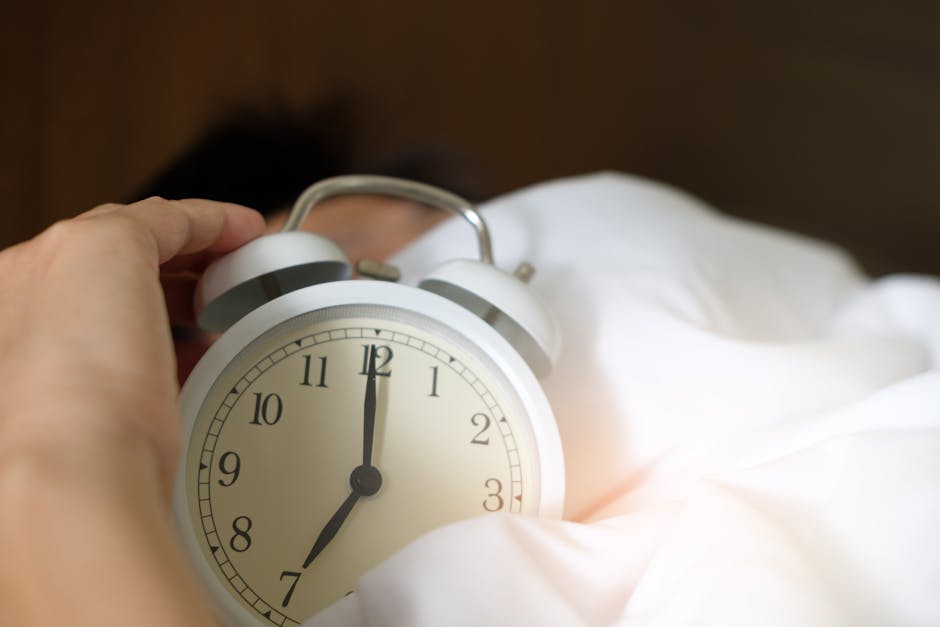
You slept, you really did. You got your eight hours, maybe even more. But the alarm goes off, and it feels like you've barely rested a wink. Does that sound familiar? You're not alone.
That stubborn exhaustion, even after solid sleep, is a common perimenopausal reality. Hormonal shifts, especially in estrogen and progesterone, can significantly impact sleep quality, reducing the restorative deep sleep you need to feel refreshed. This often leaves you feeling profoundly tired upon waking.
Why do my hormones make me so tired?
Hormonal fluctuations, particularly in estrogen and progesterone, are major players in disrupted sleep during perimenopause. Glomend's GloBalance is designed to support women through these shifts. These shifts can significantly impact the overall quality of your sleep, even if you’re consistently hitting your sleep duration goals.
Additionally, common perimenopausal symptoms like night sweats and hot flashes frequently disrupt sleep. This leads to fragmented rest, meaning your sleep isn't continuous, and results in feelings of tiredness and sluggishness during the day.
Is this just normal tiredness, or something more?
Perimenopause fatigue is distinct from the typical tiredness you feel after a busy day. It’s characterized as a deep exhaustion, deeply influenced by hormonal changes, ongoing sleep disturbances, and everyday stress.
This isn't just about feeling a bit sleepy; it’s a profound lack of energy that can impact your overall wellness and daily ability to function.
Can being this tired affect anything else?
Yes, absolutely. Poor quality or insufficient sleep during perimenopause can impair important cognitive functions. This includes areas like decision-making, problem-solving, and even emotional control. You’ll find more in the Glomend Journal.
Persistent sleep issues are also linked to an increased risk of depression, highlighting why addressing your sleep quality is so crucial for your broader wellness. The rest of our writing on mood and brain fog is here.
What This Means for You
Understanding why you're waking up tired is a crucial first step towards feeling better. It's not in your head, and you're certainly not alone. Recognizing that hormonal shifts are at play can guide you towards strategies and support that address the root causes of your fatigue, rather than just covering up symptoms. Prioritizing restorative sleep is key for reclaiming your energy and supporting your overall wellness. Consider incorporating a supplement like GloRest to aid your sleep cycle.
Frequently Asked Questions
What can help improve my sleep during perimenopause?
Focus on maintaining a consistent sleep schedule and creating a cool, dark, and quiet bedroom environment. Lifestyle adjustments, such as avoiding spicy foods or limiting caffeine and alcohol, may help manage symptoms like hot flashes and night sweats, which can disrupt sleep.
Can hormone therapy help with sleep?
Menopausal Hormone Therapy (MHT) has been shown to improve sleep quality by reducing fragmented sleep, arousal, and wakefulness during the night. Discuss with a healthcare professional if MHT is appropriate for your individual situation, as it's not universally suitable for everyone.
Should I talk to my doctor about perimenopause fatigue?
Consulting a healthcare professional about persistent fatigue is highly recommended. They can help identify underlying causes and discuss personalized guidance and treatment options tailored to your specific needs and health profile.
Sources
- Perimenopause and Fatigue: Tips for Boosting Your Energy Levels | Virginia Physicians for Women (2025)
- The Menopause Years | ACOG (Undated)
- Menopause Fatigue: Why You’re So Tired and How To Find Relief (2024)
- What is Perimenopause Fatigue? Tired All the Time? | Alloy (2024)
- Mood Changes During Perimenopause Are Real. Here’s What to Know. | ACOG (Undated)
"This statement has not been evaluated by the Food and Drug Administration. This product is not intended to diagnose, treat, cure, or prevent any disease"