
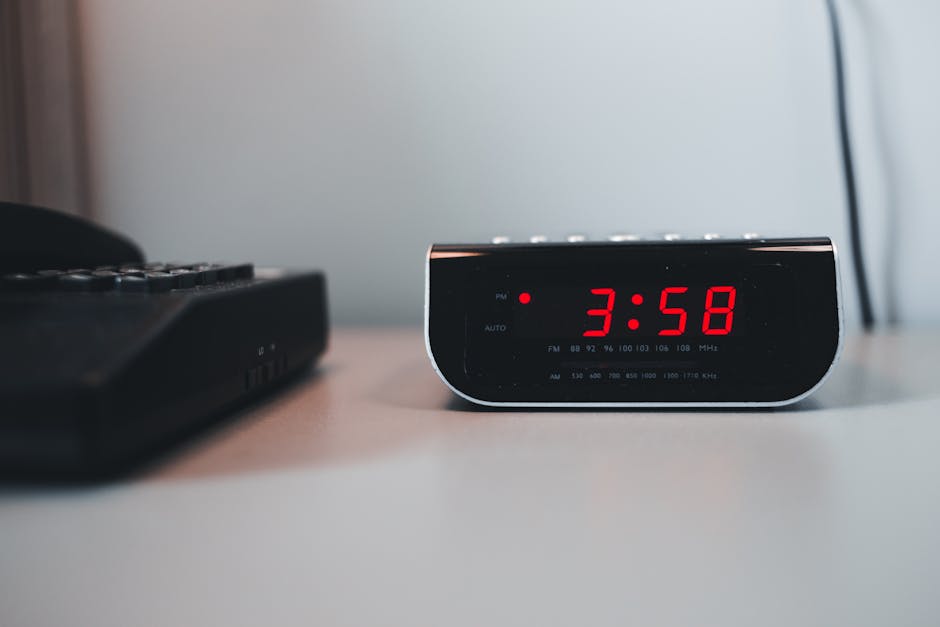
You glance at the clock, and it’s 3 AM. Again. Your mind is buzzing, your body feels restless, and you know getting back to sleep is going to be a battle. Sound familiar?
If you're waking up around 3 AM during perimenopause and struggling to get back to sleep, you're not alone. This common experience often stems from the significant hormonal shifts characteristic of this life stage. These shifts can disrupt your body's natural sleep patterns, making restful, continuous sleep feel out of reach.
What's happening with my hormones during perimenopause?
Perimenopause is the natural transition period before menopause, characterized by fluctuating hormone levels. This phase can last anywhere from 2 to 8 years, typically averaging four years, and it's a time of significant change for your body. The rest of the Glomend Journal is here.
These hormonal shifts are a primary reason why your sleep patterns might suddenly feel so different and unreliable. It's a natural, yet often disruptive, part of this life stage for women.
How do these shifts disrupt my sleep?
Sleep disturbances, particularly frequent nighttime awakenings, are a common and increasing complaint during the menopausal transition. Physical symptoms like hot flashes and night sweats are recognized contributors, often jolting you awake and making it tough to drift back off. More on why hot flashes follow certain meals.
Beyond the physical, perimenopause significantly impacts mental wellness, frequently leading to mood changes that can also interfere with your sleep. Research suggests a clear interaction between mood and insomnia, where sleep issues may increase the likelihood of depression, which in turn exacerbates difficulty falling back asleep after waking.
What This Means for You
If waking up at 3 AM resonates with you, understand that your feelings are valid and shared by many women navigating perimenopause. This experience isn't just a quirk; it's often a signal from your body responding to complex internal shifts. Focusing on your overall wellness and creating supportive routines can help you navigate these changes with more ease and support better sleep with GloRest.
Frequently Asked Questions
Is 3 AM a specific time for these awakenings?
While 3 AM is commonly reported, the specific time can vary for each woman. The key characteristic is waking during the night and struggling to return to sleep, which is often referred to as sleep maintenance insomnia.
Does this mean I'll have challenging sleep throughout perimenopause?
Not necessarily. Perimenopause is characterized by fluctuating hormones, meaning symptoms can ebb and flow. Understanding these changes is the first step toward finding strategies that may help support your sleep and overall wellness.
What role does stress play in nighttime awakenings?
Stress can exacerbate sleep challenges, especially during times of hormonal flux. Managing stress through mindful practices and supportive routines, such as incorporating GloSerene, may help support more restful sleep during perimenopause.
Sources
- Hot flashes and sleep disruption in a randomized trial in menopausal women. (2025)
- Sleep and sleep disorders in the menopausal transition - PMC - NIH (2018)
- Perimenopause - Symptoms and causes - Mayo Clinic (2025)
- Mood Changes During Perimenopause Are Real. Here’s What to ... (2023)
- Menopause - Symptoms and causes - Mayo Clinic (2024)
- Acupuncture: A Promising Approach for Comorbid Depression and Insomnia in Perimenopause (2022)
"This statement has not been evaluated by the Food and Drug Administration. This product is not intended to diagnose, treat, cure, or prevent any disease"