
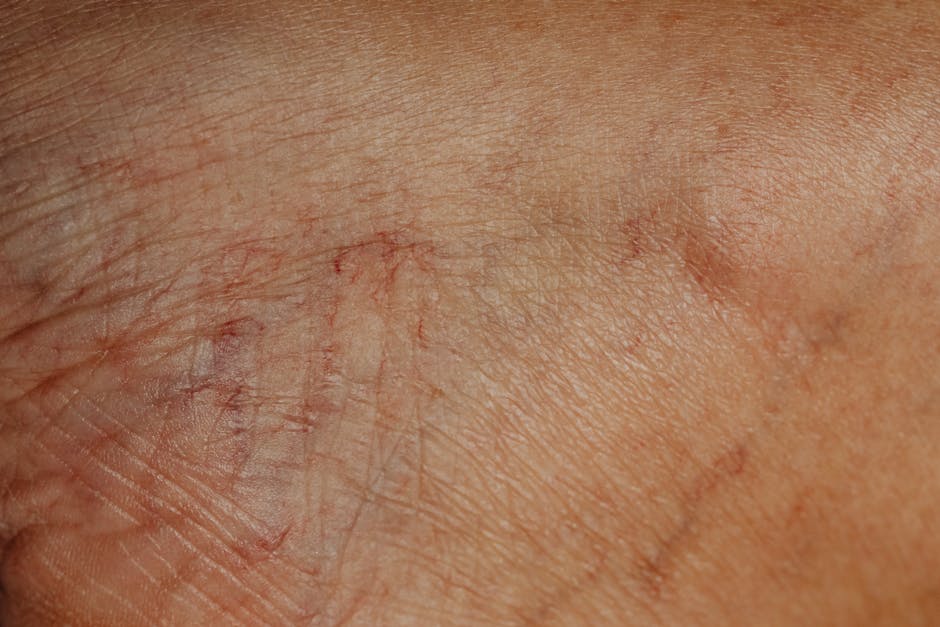
For years, I bought every "ultra-hydrating" cream on the market. I’d slather it on at night and wake up feeling just as tight and papery as the day before. I thought I was doing something wrong.
It turns out, the problem isn’t your moisturizer. For many women experiencing perimenopause dry itchy skin, the root cause is internal: your body’s estrogen levels decline, which reduces the production of natural oils and collagen—the systems that keep skin hydrated and firm. No amount of lotion can fully compensate for a moisture problem that starts from within.
So, What Is Estrogen Actually Doing to My Skin?
Think of estrogen as your skin’s built-in support system. It’s a key player in stimulating the production of collagen, the protein that gives your skin its structure and bounce. It also helps with the production of natural oils (sebum) that keep your skin barrier soft and waterproof. When estrogen levels start their unpredictable decline during perimenopause, this entire system gets disrupted. This leads to significant collagen loss during perimenopause, and your skin produces less oil, becoming thinner, less elastic, and chronically dry. That maddening, persistent itchiness—sometimes called pruritus—is a direct result of this profound internal dryness.
Why Does It Feel Like My Skin's Protective Layer Is Just... Gone?
Because, in a way, it is. Or at least it's not working like it used to. Your skin has a natural protective barrier that’s designed to do two jobs: keep moisture in and keep irritants out. The hormonal shifts of perimenopause can weaken this barrier. The rest of our writing on hormones and your body is here. Suddenly, water escapes from your skin more easily—a process called transepidermal water loss—leaving it constantly dehydrated. At the same time, that weakened barrier allows everyday irritants from soaps, fabrics, and the environment to penetrate more deeply, causing redness and sensitivity you’ve never experienced before. And this isn't just about your face. It's systemic. Your scalp might feel tight and itchy, and even your eyes can feel gritty and dry. It's one of the lesser-known symptoms of this whole transition.
Can I Just Eat My Way to Better Skin?
Diet is a piece of the puzzle, but it’s not a magic bullet. What you eat absolutely impacts your wellness and skin health, especially during this time of profound hormonal change. You may have heard about phytoestrogens—plant-based compounds found in foods like soy, flax, and legumes that can have a weak, estrogen-like effect in the body. Some women explore incorporating them into their diet through food or dietary supplements to help manage symptoms. More on how to calm an overstimulated nervous system. But honestly? The research here is still evolving and pretty debated. Some studies suggest a potential benefit, while others show little effect. It's an area of ongoing study, not a settled fact.
What This Means for You
Okay, so your hormones are running the show. What now? The first step is to just let go of the idea that you’re failing at skincare. You’re not. Your body is navigating a massive hormonal shift, and your skin is just reflecting that internal change. The goal isn’t to find one perfect cream to "fix" it, but to start supporting your body from the inside out. This means looking at everything—your hydration, your nutrition, your stress levels, and the products you use. Be gentle with your skin. And be gentle with yourself. This isn't a problem to be solved overnight. It's a new chapter that asks for a new approach to your own wellness.
Frequently Asked Questions
If my skin is dry because of hormones, should I just stop moisturizing?
Definitely not. Moisturizing is still important because it helps protect that weakened outer skin barrier. But you might need to shift your strategy—think simple, gentle, fragrance-free creams that lock in moisture, rather than expecting a lotion to solve a problem that starts internally.
Is the itchy skin in perimenopause the same as eczema?
They can feel similar, but the root cause is different. The clinical term for hormonally-driven itchiness is pruritus, and it’s typically caused by extreme dryness from low estrogen. While perimenopause can sometimes trigger or worsen inflammatory conditions like eczema, the general itchiness many women feel is a direct symptom of these hormonal shifts.
Will my skin go back to normal after perimenopause?
Your body is finding a new normal. Once you're through the fluctuations of perimenopause and into menopause, your hormones will stabilize at a new, lower level. The intense symptoms often calm down, but your skin’s needs will likely be different than they were in your 30s. It's less about going "back" and more about adapting to and supporting your skin as it is now.
Sources
- Menopause and Dry, Itchy Skin: Hormones and Other Causes (2010)
- Menopause, Itchy Skin (Pruritus) & Low Estrogen (2024)
- Perimenopause: From Research to Practice (2016)
- Perimenopause and Itchy Skin: Causes, Treatment, and Prevention (2024)
- The Importance of Nutrition in Menopause and Perimenopause—A Review (2023)
- Efficacy of plant-derived dietary supplements in improving overall menopausal symptoms and vasomotor symptoms: An updated systematic review and meta-analysis (2024)
- 34 Perimenopause Symptoms Beyond Hot Flashes (2024)
- Dry Eyes During Menopause (2024)
This statement has not been evaluated by the Food and Drug Administration. This product is not intended to diagnose, treat, cure, or prevent any disease.