
It’s 2:45 in the afternoon. You’re at your desk, reading the same email for the third time, and the words just aren't sticking. That familiar, heavy wave of exhaustion washes over you, and all you can think about is crawling under your desk for a nap.
Building hormone balancing snacks to prevent the perimenopause energy crash at work involves a simple kit. Anchor it with protein and healthy fat (like nuts or eggs), add a fiber-rich carb (like an apple), and prep it the night before. This guide will walk you through creating this easy, effective tool.
Step-by-Step: Assembling Your Afternoon Energy Kit
- Choose Your Container. This sounds almost silly, but it’s the most important step because it’s about making this easy. Find a small bento-style box with a few dividers, or grab a couple of small reusable silicone bags. The goal is zero friction. If it’s complicated to pack or a pain to clean, you won’t do it. And honestly? We have enough to deal with already.
-
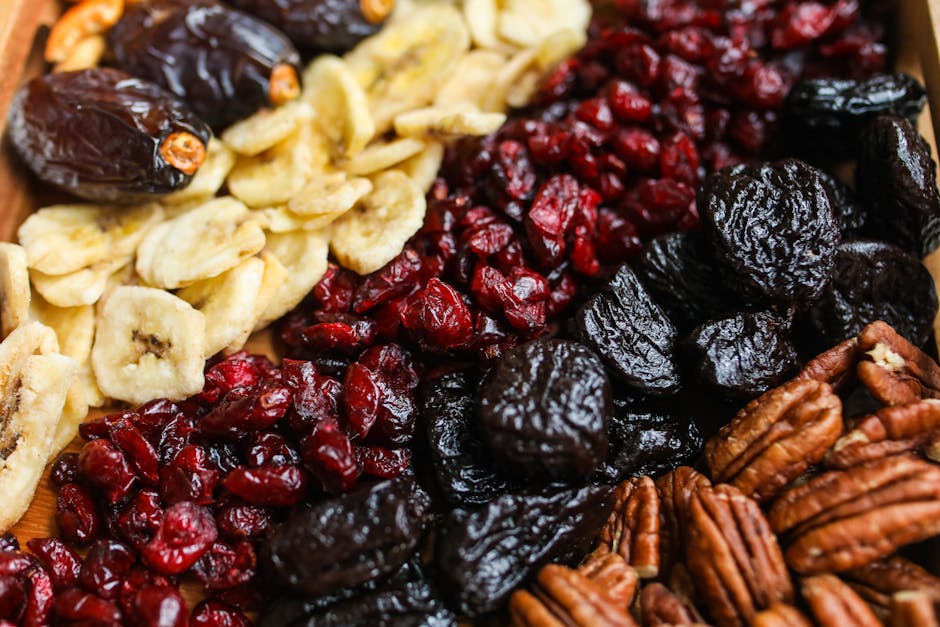
Anchor with Protein and Healthy Fat. Think of this as the foundation for stable energy. Protein and healthy fats help slow down how quickly your body absorbs carbohydrates, which is a key nutritional strategy for avoiding those sharp spikes and subsequent crashes in blood sugar. What we eat — its composition and even texture — can influence our body's hormonal signals. In fact, some dietary fatty acids may directly alter the function of ghrelin, a hormone involved in hunger cues.
Real-world options: A small handful of walnuts or almonds, a quarter cup of pumpkin seeds, two hard-boiled eggs, or a single-serving pack of olives. -
Add a Fiber-Rich Carb. No, carbs are not the enemy. Not even close. The right ones are your friend for sustained energy. Fiber helps you feel full and promotes a more gradual release of energy, sidestepping that quick sugar rush. It also supports good gut health, which is essential for your body’s natural process of clearing out things it no longer needs, like excess hormones. If this sounds familiar, see how your gut shapes your sleep.
Real-world options: An apple with a spoonful of almond butter, a cup of berries, a small pear, or a few whole-grain, seed-based crackers. -
Include a "Supportive Extra." This is where you can get a little more targeted. Think of these as ingredients with unique properties that research suggests might be helpful during this phase of life. For instance, adding a tablespoon of ground flaxseeds to yogurt or a smoothie gives you lignans. Lignans are a type of phytoestrogen, and some studies suggest they may help the body modulate its own estrogen levels. For a more comprehensive approach to daily hormonal support, our GloBalance formula is designed to complement these dietary efforts.
Another food that often comes up is Maca. It's important to know the research here is a bit older, but one 2006 clinical study on early-postmenopausal women found that pre-gelatinized Maca appeared to support the body’s own hormonal network, specifically by increasing estradiol and decreasing FSH. This doesn't mean it's a magic bullet, but it's interesting context for how certain foods interact with our biology. - Prep It the Night Before. I’m going to say this again. Prep it the night before. Your morning self will thank you. While you’re cleaning up dinner, take five minutes to assemble your little kit for the next day. Set it right at the front of the fridge. It's a simple act of self-care that makes a real difference when you’re rushing out the door.
How Can I Make This a Lasting Habit?
Consistency is more important than perfection. You don't have to build the "perfect" snack box every single day. Start with just the protein and fat, and build from there. The goal is to create a habit that serves you, not another thing on your to-do list to feel stressed about. Pairing these nutritional habits with a consistent support routine, like The Complete Day & Night System, can create a powerful foundation for feeling your best.
And listen to your body. Some days you might feel that slump creeping in earlier — don't wait until you've hit the wall. Eat your snack when you feel your focus starting to drift. This isn’t a rigid eating plan; it’s a responsive tool. The hormonal fluctuations that are common during the perimenopausal transition are a real physiological factor in the dreaded perimenopause energy crash, so being prepared is one of the best things you can do for yourself.
Frequently Asked Questions
What are some good shelf-stable, hormone-friendly snacks for work?
If you don't have a fridge, focus on things that are easy to keep in your desk or bag. Think raw almonds, walnuts, pumpkin seeds, individual packs of olives, or high-quality protein bars with minimal added sugar. These are excellent healthy office snacks. Seed crackers are also a great option to pair with an apple or pear.
How does blood sugar actually affect my afternoon energy levels?
Imagine your energy is like a gentle wave. When you eat a snack high in sugar and low in protein or fat, you get a huge, sharp spike in blood sugar, followed by a rapid crash. That crash is what feels like hitting a brick wall. A snack with protein, fat, and fiber helps keep that wave rolling gently, supporting more stable energy without the dramatic peaks and valleys. We look at what a blood sugar dip does to your mood separately.
When should I eat my snack to best manage an energy slump?
Try eating it about an hour before your energy typically dips. For many of us, that's around 2:00 or 2:30 PM. The idea is to be proactive, not reactive. You're giving your body the fuel it needs to coast through the afternoon instead of waiting until the tank is empty and you're already feeling foggy and exhausted.
Sources
- Performance nutrition for cold-weather military operations. (2023)
- Pigmented rice bran and plant sterol combination reduces serum lipids in overweight and obese adults. (2014)
- Why Your Energy Crashes in the Afternoon (And 9 Ways to Fix it) (2024)
- Prevent Afternoon Energy Crashes & Boost Alertness (2024)
- 4 Tips to Avoid an Afternoon Crash - IFIC (2022)
- Food as a Hormone - PMC - NIH (2014)
- How our food affects our hormones - PubMed (1986)
- Hormone-Balancing Effect of Pre-Gelatinized Organic Maca (Lepidium peruvianum Chacon): (III) Clinical responses of early-postmenopausal women... (2006)
- Hormone-Balancing Snacks | HUM Nutrition Blog (2023)
- 15 Foods That Help Restore Hormone Balance | Winona (2023)
- 10 Natural Ways to Balance Your Hormones (2024)
This statement has not been evaluated by the Food and Drug Administration. This product is not intended to diagnose, treat, cure, or prevent any disease.