
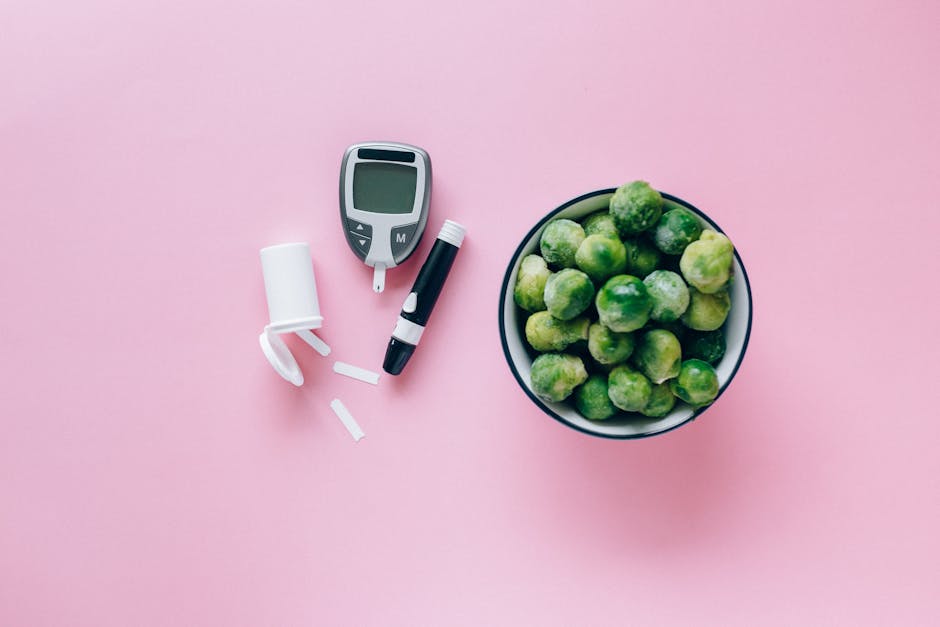
Ever snap at your partner for breathing too loudly, then ten minutes later feel a wave of regret and confusion wash over you? Yeah. It’s a special kind of awful, and for years, I thought I was just becoming a permanently grumpy person, not realizing that swings related to perimenopause low blood sugar mood were the real culprit.
That sudden, intense irritability in perimenopause is often connected to unstable blood sugar. When your blood sugar takes a nosedive, your brain is starved for its primary fuel. Your body responds by releasing stress hormones, which can disrupt mood-regulating neurotransmitters like GABA and serotonin, making you feel the effects of blood glucose irritability, also known as being “hangry.”
So, how do perimenopause hormones mess with my blood sugar?
I spent so much time blaming my personality before I understood the biology. It turns out, our hormones—especially estrogen—are key players in how our bodies manage blood sugar. Estrogen helps regulate how sensitive our cells are to insulin, the hormone responsible for ushering sugar from our blood into our cells for energy. During perimenopause, estrogen levels don’t decline in a nice, neat line; they fluctuate like a chaotic stock market ticker.
These hormonal swings can affect how your body responds to insulin, sometimes leading to more dramatic peaks and troughs in your blood sugar. One minute you’re fine, the next you’re crashing. This isn't a fluke. Research recognizes that this period of "significant hormonal variability" is a real factor that can make women more vulnerable to mood-related challenges. So no, you're not imagining it. And you’re not alone.
More on how blood sugar swings hijack your mood.What’s the actual brain connection when I feel so irritable?
Your brain is incredibly high-maintenance. It makes up only about 2% of your body weight but uses around 20% of your glucose (sugar) intake. It needs a steady, reliable drip of fuel to keep things running smoothly—including your mood.
When your blood sugar drops too low, a condition called hypoglycemia, your body perceives it as a threat. An emergency. It immediately triggers the release of stress hormones, particularly adrenaline, to quickly raise your blood glucose levels. And what does a sudden rush of adrenaline feel like? Jittery. Anxious. Impatient. Sound familiar? That’s your body’s survival mechanism kicking in, but it feels a lot like you’re about to lose your mind over a misplaced set of keys.
This stress state doesn’t do any favors for your neurotransmitters, either. These are the chemical messengers in your brain that regulate everything from happiness to calm. While the science is still mapping out the precise connections, we know that stable levels of neurotransmitters like serotonin and GABA are essential for feeling calm and content. The hormonal shifts of the menopausal transition can disrupt our systems for hormonal mood regulation, impacting our mood and emotional resilience, an area where GloSerene can provide targeted support. It’s a complex chain reaction where hormones, blood sugar, and brain chemistry are all talking to each other—and sometimes, they’re all shouting at once.
There’s more on how to tell hormonal anxiety from burnout here.What This Means for You
Look, the point here isn't to add "perfect blood sugar" to your already-long to-do list. Not at all. It’s about understanding the why behind the way you feel. It's about self-compassion. Knowing that your sudden rage might be your brain screaming for fuel can change everything. It’s not a character flaw. It’s a biological signal.
This knowledge gives you a place to start. Maybe it means not skipping breakfast, even when you’re rushing. Or keeping almonds in your bag for that 3 p.m. slump. It’s about seeing food not just as calories, but as a tool for supporting your mood and your mind through a challenging—but temporary—season of life, making a comprehensive formula like The Complete Day & Night System a valuable part of a holistic strategy. It’s a small, practical act of kindness to your future self.
Frequently Asked Questions
Why do I feel more 'hangry' now in my 40s than I did in my 20s?
It's very likely due to the hormonal shifts of perimenopause. In your 20s, your estrogen levels were likely more stable. Now, fluctuating estrogen can make your body's response to insulin less predictable, leading to the blood sugar dips that trigger that 'hangry' feeling more easily.
Can low blood sugar cause anxiety during perimenopause?
Yes, it can absolutely contribute to feelings of anxiety. When blood sugar drops, the body releases stress hormones like adrenaline to compensate. That adrenaline rush is what can cause physical symptoms like a racing heart, shakiness, and sweating—all of which feel very similar to a panic attack or anxiety.
Is there a direct link between serotonin, blood sugar, and perimenopause mood swings?
It's more of an interconnected web than a single direct line. Your brain needs stable glucose to function properly, and neurotransmitters like serotonin are crucial for mood regulation. The hormonal shifts of perimenopause can disrupt all of these systems, affecting psychological wellness and emotional resilience in the process.
Sources
- The perimenopause, depressive disorders, and hormonal variability (2024)
- Low blood sugar (hypoglycaemia) - NHS (2022)
- Blood Sugar Chaos: How Perimenopause Could Quietly Lead to Diabetes (2024)
- Psychological Changes at Menopause: Anxiety, Mood, Cognition, and Resilience (2025)
- A review of effective herbal medicines in controlling menopausal symptoms (2018)
This statement has not been evaluated by the Food and Drug Administration. This product is not intended to diagnose, treat, cure, or prevent any disease.