
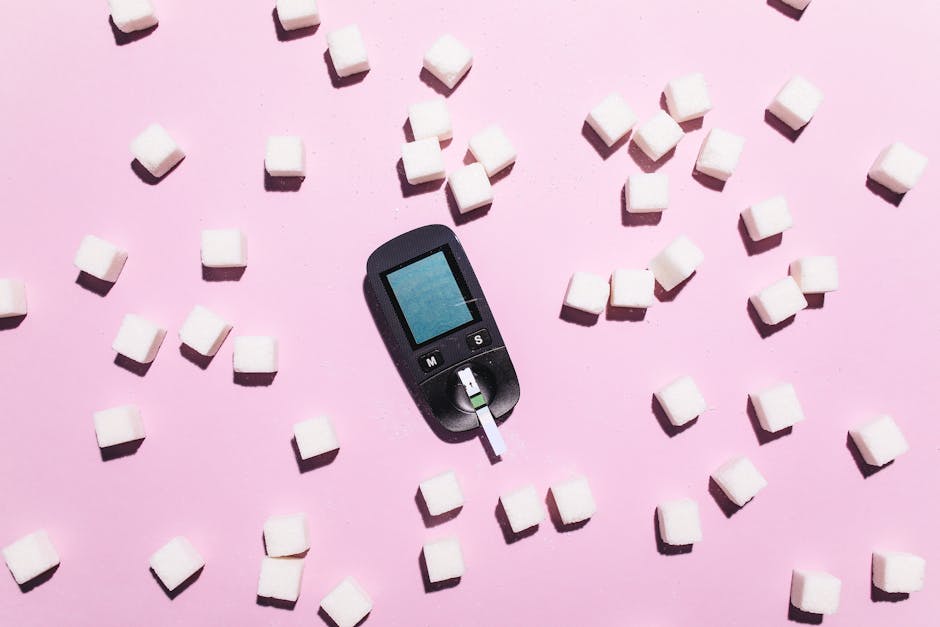
You’re bone-tired. But is it the kind of tired that comes from tossing and turning all night, or is it that heavy, foggy exhaustion that crashes down on you mid-afternoon, no matter how much you slept?
This is a guide to help you start untangling that knot. We'll look at the two very different, very real reasons you might be feeling so drained during perimenopause, which are common causes of fatigue after 40—poor sleep and unstable blood sugar—so you can figure out what kind of support your body is actually asking for, whether it's a specific formula or a holistic approach like The Complete Day & Night System.
What Should I Look for in Perimenopause Fatigue Support?
When you're choosing a supplement for perimenopause energy, you need to look past the generic "energy blend" and get specific about the why behind your exhaustion. If night sweats and a racing mind are wrecking your sleep, you'd look for ingredients that support rest and relaxation, like Magnesium or L-theanine. But if your fatigue feels more metabolic—like an energy rollercoaster with deep dips—you'll want to look for ingredients that support your body's management of blood sugar and insulin sensitivity.
The truth is, perimenopause itself can change how your body handles energy. Unpredictable estrogen swings can directly impact how sensitive your cells are to insulin, leading to more frequent highs and lows in blood sugar. Worth reading next: why your body odor changed. In fact, research suggests the menopausal transition, independent of age, is a risk factor for changes in how the body manages glucose, even in women without diabetes. So, look for clean, targeted formulas that align with what you're experiencing day-to-day.
What to Avoid
Honestly? Avoid the hype. Be skeptical of anything that promises to be a "miracle" for perimenopause. Your body is complex, and there's no single magic bullet. The biggest red flags are "proprietary blends" that hide the exact amounts of each ingredient. You deserve to know what you’re taking and at what dose. If a company isn’t transparent, walk away.
Also, watch out for formulas packed with fillers, artificial colors, and sugar. This is especially important when you're trying to support your metabolic health. Adding a sugary gummy to your routine can sometimes contribute to the very energy spikes and crashes you're trying to address. The goal is to give your body support, not more work to do.
Our Pick: GloBalance
When we look at the criteria—a targeted, transparent, and clean formula—we think GloBalance is a really smart place to start, especially for that deep, metabolic-feeling fatigue. It’s not about giving you a jolt of energy. It’s about supporting the underlying systems that create steady, reliable energy throughout the day.
The formula is built around supporting metabolic health, which is so often overlooked in perimenopause. During this transition, symptoms like fatigue, irritability, and even night sweats can feel confusingly similar to the highs and lows of unstable blood sugar. GloBalance is designed with ingredients that address this side of the perimenopause experience, helping to support the body’s natural processes for managing energy.
It’s a straightforward formula, with no hidden blends or unnecessary fillers. It’s designed for the woman who reads labels and wants to understand how a supplement is working with her body, not just that it is. It acknowledges that the fatigue you’re feeling might be coming from a place you hadn't considered before—your metabolic wellness.
Frequently Asked Questions
How can I tell if my perimenopause fatigue is from blood sugar or just bad sleep?
Pay attention to timing. If your fatigue hits you like a wall a couple of hours after a meal, or you feel shaky and irritable when you've gone too long without eating, that might point toward blood sugar swings. Fatigue from poor sleep usually feels more like a constant, groggy haze from the moment you wake up.
Can my diet really help with fatigue tied to perimenopause blood sugar changes?
Yes, absolutely. What you eat plays a huge role. Simple dietary changes, like reducing your intake of sugar and refined carbs while focusing on protein, healthy fats, and fiber, can make a significant difference in supporting more stable energy levels. If this sounds familiar, see how to head off the afternoon crash.
Why does perimenopause affect blood sugar if I'm not diabetic?
It's all about hormones. Estrogen plays a role in how your body responds to insulin, the hormone that manages blood sugar. As estrogen levels fluctuate unpredictably during perimenopause, it can make your body's insulin response less efficient, leading to more noticeable energy shifts.
Ready to Choose?
Your fatigue is real. The support you choose should be, too. Explore our targeted formulas to see which one aligns with your wellness goals.
→ GloRest for sleep quality support
→ GloSerene for mood and stress support
→ GloBalance for metabolic wellness support
Sources
- Menopause, but not age, is an independent risk factor for fasting plasma glucose levels in nondiabetic women (2007)
- Menopause and Diabetes: How Menopause Affects Blood Sugar (2024)
- Perceived blood glucose regulation after menopause: a cross-sectional survey in women with type 1 diabetes in the Netherlands (2024)
- Perimenopause and Sugar: Managing Symptoms and Blood Sugar Levels (2023)
- The Importance of Nutrition in Menopause and Perimenopause—A Review (2024)
- Perimenopause Symptoms Explained | A Whole-Body Approach to... (N/A)
- Perimenopause and Fatigue: The Connection (N/A)
- Perimenopause Fatigue: Why You’re Exhausted and How to Get... (N/A)
This statement has not been evaluated by the Food and Drug Administration. This product is not intended to diagnose, treat, cure, or prevent any disease.