
Some days, the brain fog is so thick that figuring out what to eat feels like a final exam I didn't study for. And the exhaustion? It makes even the thought of cooking feel like running a marathon. You’ll find more in the Glomend Journal.
You can meal prep for perimenopause by focusing on blood-sugar-balancing plates with protein, fat, and fiber, and using a 'power hour' to prep anchor components for the week. This strategy supports stable energy and helps reduce brain fog by providing consistent, nutrient-dense fuel for your body and brain. This isn't another complicated diet plan. It’s a straightforward, step-by-step guide to meal prep for perimenopause that actually supports your body through this chaos. My goal is to help you get a handle on your energy and clear some of that mental haze, one meal at a time.
Step-by-Step: A Simple Meal Prep Plan for Perimenopause
First, Understand the 'Why' — Let's get this out of the way. Your body is changing, and it's not just in your head. During perimenopause, shifting hormones can cause your basal metabolic rate (the energy you burn at rest) to drop. We're talking by as much as 250-300 calories a day. This, combined with lower estrogen levels, is biologically linked to the weight gain so many of us experience. So, the goal isn't to eat less—it's to eat smarter by focusing on nutrient-dense foods that give your body what it truly needs.
Build a Blood-Sugar-Balancing Plate — Forget calorie counting. Instead, think about your plate. At every meal, aim for these three things: clean protein (chicken, fish, eggs, legumes), healthy fats (avocado, nuts, olive oil), and fiber (from leafy greens, colorful veggies, and whole grains like quinoa). This combination helps keep your blood sugar stable, which is everything for steady energy and avoiding that 3 p.m. crash-and-burn feeling that fuels brain fog. It's less of a strict hormone balance diet plan and more of a flexible template—one that can be supported with targeted formulas like GloBalance—similar to what you’d find in a Mediterranean-style way of eating, which research suggests can positively affect weight management and blood sugar. The rest of our writing on daily habits is here.
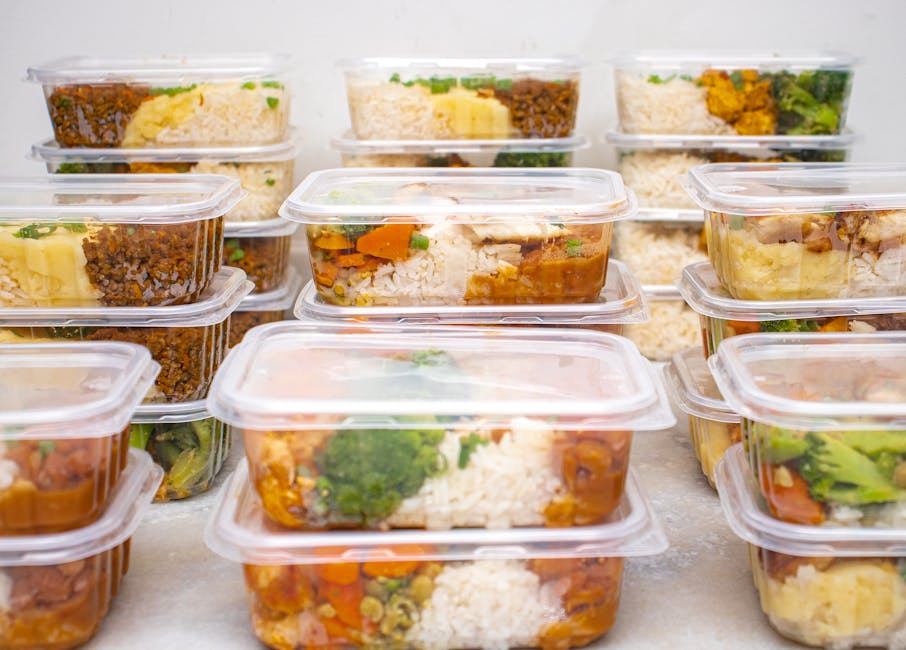
Choose Your 'Anchor' Components — You do not need to cook 21 unique meals a week. That's a recipe for burnout. Instead, pick a few "anchors" you can cook in a batch and mix and match all week. For example, on Sunday, you could bake a tray of chicken breasts, roast a big pan of broccoli and sweet potatoes, and cook a pot of quinoa. Now you have the building blocks for salads, grain bowls, and quick, energy boosting meals all week. Easy.
Schedule a 'Power Hour' (and That's It) — Find one hour over the weekend—just 60 minutes. Put on some music or a podcast and just prep. This isn't about cooking everything. It’s about doing the annoying tasks that slow you down on a busy Tuesday night. Wash and chop your veggies. Make a jar of vinaigrette. Hard-boil a half-dozen eggs for snacks. This one focused hour buys you so much time and mental energy back during the week.
Prep for a Smarter Snack — The afternoon slump is real. Instead of reaching for something sugary that will only make the fog worse, have a smart snack ready to go. The key is pairing a protein or a healthy fat with fiber. Think apple slices with almond butter, a small handful of walnuts, or plain Greek yogurt with some berries. Pre-portion these into little containers so it's a true grab-and-go option. No thinking required.
How Can You Make This Meal Prep Plan Work Long-Term?
Let's be honest: if it's too complicated, you won't stick with it. The most important thing is to make this work for your life. Don't like quinoa? Use brown rice. Hate broccoli? Roast some cauliflower instead. The principles matter more than the specific ingredients. Start small. Maybe this week, you just prep your snacks and chop veggies. That's a huge win.
The goal here is consistency, not perfection. There will be weeks you're totally on top of it and weeks where takeout is the only answer. That's okay. Making intentional changes to what we eat is a proven strategy for improving our wellness during this stage of life. It's about giving your body the support it needs, not adding another item to your to-do list that makes you feel guilty. You have enough of those already.
Frequently Asked Questions
What are the best foods to meal prep for perimenopause brain fog?
Focus on foods that support stable blood sugar. Think lean proteins like chicken and fish, healthy fats from avocados and olive oil, and lots of fiber from leafy greens and vegetables. These foods provide sustained energy to your brain, which can help with that feeling of fogginess.
Can meal prepping really help with weight gain in perimenopause?
It can be a powerful tool. Because your metabolism may slow down, focusing on nutrient-dense foods becomes key. Meal prepping helps you make intentional choices packed with vitamins and minerals, rather than grabbing whatever is fast and easy, which often supports better weight management.
I'm too exhausted to meal prep. How can I possibly start?
I completely get it. Start smaller than you think you need to. Don't try to prep a whole week of meals. This week, just wash and chop your lettuce for salads, or boil a few eggs for snacks. Even one small step makes the next day easier.
Sources
- The Importance of Nutrition in Menopause and Perimenopause—A Review (2023)
- Weight Management Module for Perimenopausal Women: A Practical Guide for Gynecologists (2020)
- Dietary Patterns and Weight Management in Perimenopausal Women (2024)
- Dietary interventions for managing menopausal symptoms: an umbrella review (2024)
- Botanical and Dietary Supplements for Menopausal Symptoms: What Works, What Doesn't (2006)
- Best Meal Prep Tips for Managing Perimenopause Through Diet
- Perimenopause meal prep made simple | Hold My Spoon
- The Perimenopause Diet Guide to Nourish Your Body - AMMD
"This statement has not been evaluated by the Food and Drug Administration. This product is not intended to diagnose, treat, cure, or prevent any disease"