
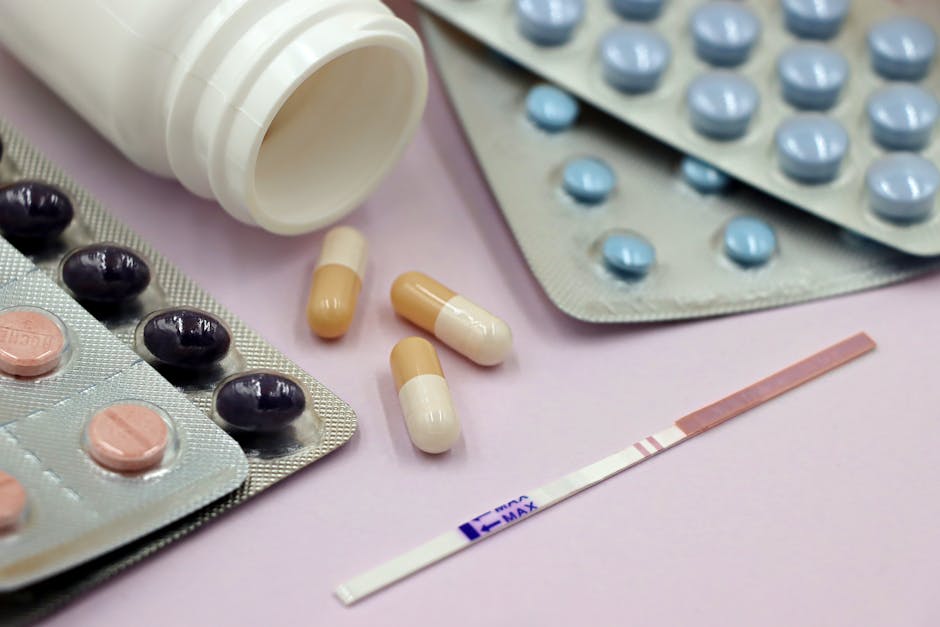
For years, I could predict my headaches like clockwork. Then, sometime around 42, they went rogue. They started showing up unannounced, with a vengeance I hadn’t experienced before.
If you're suddenly getting more frequent or intense headaches, you're not imagining it. The primary trigger for perimenopause hormonal headaches is the dramatic, rollercoaster-like fluctuation of estrogen. Research has well-established that these erratic drops in estrogen can set off a new pattern of headaches and migraines for many of us.
So, Are These New Headaches Really Just My Hormones?
Yes, it’s very likely. Think of estrogen as a stabilizing force. When its levels are steady, things are relatively calm. But during perimenopause, your estrogen levels don't just gently decline — they spike and crash unpredictably. It’s the drop that often acts as a powerful migraine trigger.
For a lot of women, this sudden increase in headache frequency and intensity is actually one of the very first signs that the perimenopausal transition has begun, sometimes showing up years before your period becomes irregular. It’s your body responding to a completely new hormonal landscape. And honestly? It can be completely disorienting when a symptom you thought you understood suddenly changes the rules.
The rest of the Glomend Journal is here.Why Do They Feel More Intense or Unpredictable Now?
Because the hormonal shifts aren't predictable. Before perimenopause, your hormonal rhythm was a relatively stable cycle. You might have had menstrual migraines tied to the predictable drop in estrogen right before your period. You knew it was coming. But perimenopause throws that pattern out the window.
Now, estrogen can plummet at any time, not just around your cycle. These erratic drops can make the headaches feel more severe and random, leaving you feeling like you’re constantly on edge, waiting for the next one to hit. This phase of hormonal chaos is what makes managing migraine triggers so much more difficult. Your old coping mechanisms might not work the same way anymore, simply because the root cause has changed from a predictable dip to a constant, chaotic flux.
Will This Headache Pattern Last Forever?
Okay, some good news. For most women, there's a light at the end of the tunnel. Once you’re fully through menopause and your hormone levels stabilize — albeit at a much lower level — migraine attacks often become less frequent and less severe. The rollercoaster comes to a stop.
But there are a few important things to know. This improvement is typically linked to natural menopause. Surgical menopause, where the ovaries are removed, can sometimes worsen migraine symptoms because of the sudden, drastic drop in hormones. Also, Hormone Replacement Therapy (HRT) isn’t a simple fix. How it affects migraines is highly individual. Some research suggests that a continuous, steady dose of hormones delivered through the skin (like a patch) is often better than pills or cyclical therapies, which can create their own up-and-down pattern.
More on hormones and your body in the Journal.What This Means for You
First, give yourself some grace. You are not making this up, and you’re not alone. This is a real, physiological response to a major life transition. The single most helpful thing I did was start tracking everything. Not just the headaches, but my sleep, my food, my stress levels. Seeing the patterns — or lack thereof — was validating.
This is not something you just have to "get through." Take your notes to a doctor or a headache specialist who understands hormones. Talk about your specific symptoms. Ask about all the options, from lifestyle adjustments (which can include targeted support like The Complete Day & Night System) to medication to HRT. You deserve to have a clear head. And understanding why this is happening is the first step toward feeling in control again.
Frequently Asked Questions
Can perimenopause cause headaches if I've never had migraines before?
Yes, it absolutely can. While many women who experience perimenopausal headaches have a history of migraine, the intense hormonal shifts can be a brand new trigger for someone who previously only had occasional tension headaches or none at all.
Do perimenopause hormonal headaches feel different from other headaches?
They often do. Many women describe them as a one-sided, throbbing pain, often accompanied by nausea or sensitivity to light and sound — classic migraine symptoms. They might feel more severe and less responsive to your usual over-the-counter pain relievers than a typical tension headache.
If my headaches are hormonal, does that mean HRT is the only answer?
Not necessarily. HRT can be very effective for some women, but its impact on migraines is complex and highly personal. The right path is a conversation with your doctor to explore all options, which could include specific migraine medications, lifestyle changes, and different types or delivery methods of HRT.
Sources
- Migraine and Perimenopause: What's the Connection? Why Can Perimenopause Make Migraine Worse? (2024)
- Why Can Perimenopause Make Migraine Worse? - Everyday Health (2025)
- Migraine During Perimenopause and Menopause (2024)
- Current Treatment Options: Headache Related to Menopause-Diagnosis and Management - PubMed (2018)
- Menopause, Perimenopause, and Migraine: Understanding the Intersections and Implications for Treatment - PMC (2024)
- Migraine, menopause and hormone replacement therapy - PubMed (2017)
- Migraine and perimenopause - ScienceDirect (2014)
This statement has not been evaluated by the Food and Drug Administration. This product is not intended to diagnose, treat, cure, or prevent any disease.