
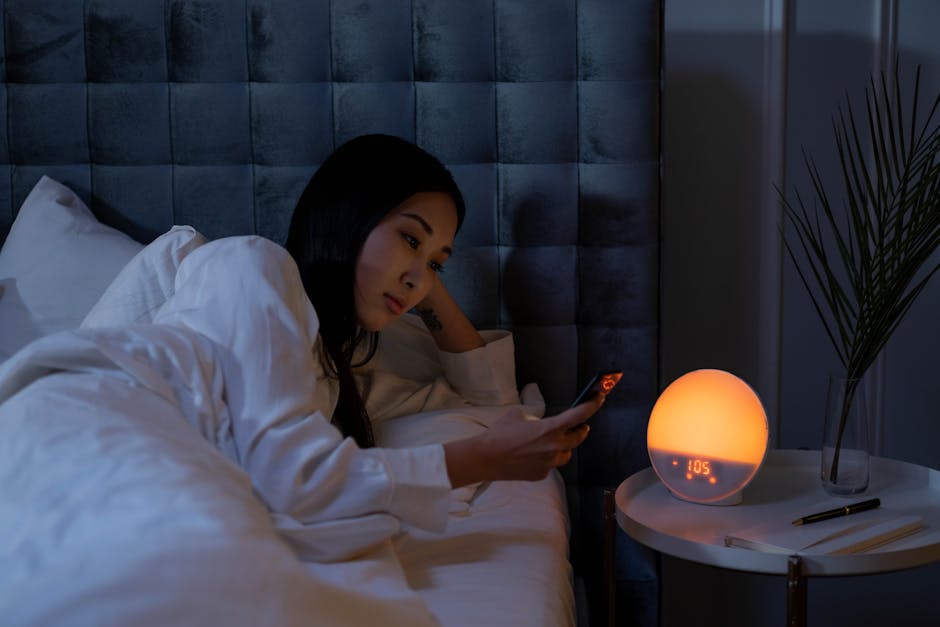
You know that feeling: you're finally settling into bed, exhausted, ready for deep sleep, when suddenly your legs start with that undeniable urge to move. It’s a crawling, tingling, unshakeable sensation that makes lying still impossible, leaving you tossing and turning for hours.
Those restless leg sensations during perimenopause often stem from the significant hormonal shifts happening in your body, particularly fluctuating estrogen levels. These changes, coupled with potential nutrient imbalances, can disrupt your sleep cycle and make achieving restorative rest a real challenge.
What exactly are these restless legs trying to tell me?
What you might be experiencing is often described as Restless Legs Syndrome (RLS), a common neurological condition characterized by an uncontrollable urge to move your legs. These sensations, which can feel like crawling or tingling, typically appear when you're resting or at night.
RLS symptoms are known to significantly disrupt sleep and are more prevalent during perimenopause and menopause. Research suggests that fluctuating estrogen levels play a contributing role in these experiences.
Is it just my legs, or is there more to my disrupted sleep?
While restless legs are a distinct issue, they often don't occur in isolation during perimenopause. Other sleep challenges like night sweats, sleep apnea, and general insomnia also become more common after menopause, further hindering your ability to reach deep, restorative sleep.
Beyond hormonal shifts, factors like genetics and imbalances in iron and dopamine levels are also believed to contribute to RLS symptoms. Large-scale studies show that a significant percentage of women experience sleep disturbances during this time, impacting their overall quality of life.
How can I find relief and finally get some rest?
Understanding the "why" behind your restless legs is the first step toward finding relief. More on sleep in the Journal. While there's no single solution, several approaches can support your wellness and help manage these disruptive sensations, including targeted relief from GloRest.
Creating a soothing bedtime routine, incorporating gentle movement earlier in the day, and ensuring your iron levels are optimal may offer support. You’ll find more in the Glomend Journal. It's always a good idea to discuss these symptoms with a healthcare provider, especially if they significantly impact your sleep and daily life.
What This Means for You
Recognizing that restless legs and sleep disturbances are common experiences during perimenopause can be incredibly validating. You're not imagining it, and you're definitely not alone. Focusing on understanding your body's unique changes and exploring supportive lifestyle adjustments can help you navigate this transition with more ease and, hopefully, more restful nights. Embracing strategies that nurture your overall wellness is key to feeling more grounded and calm, with products like GloBalance providing comprehensive support.
Frequently Asked Questions
Are restless legs a normal part of perimenopause?
While not every woman experiences them, restless legs are indeed more prevalent during perimenopause and menopause. Hormonal fluctuations, especially in estrogen, are understood to play a role in contributing to these sensations.
Could low iron be making my legs restless?
Yes, research suggests that abnormal iron levels are believed to contribute to RLS symptoms. If you suspect an iron imbalance, it's wise to consult with your doctor to have your levels checked.
When should I talk to my doctor about restless legs?
If your restless leg sensations are frequent, severe, or significantly impacting your sleep quality and overall daily life, it's a good time to speak with a healthcare professional. They can help identify potential causes and discuss personalized management options.
Sources
- Effects of menopause on sleep quality and sleep disorders: Canadian Longitudinal Study on Aging. (2020)
- Restless Legs in Perimenopause: Understanding, Managing, and Thriving ... (2023)
- Perimenopause and Sleep: Causes and Solutions to Disruptions (2024)
- The treatment of restless legs syndrome and periodic limb movement ... (2025)
- Unraveling Restless Legs Syndrome: A Comprehensive Review of Current ... (2023)
"This statement has not been evaluated by the Food and Drug Administration. This product is not intended to diagnose, treat, cure, or prevent any disease"