
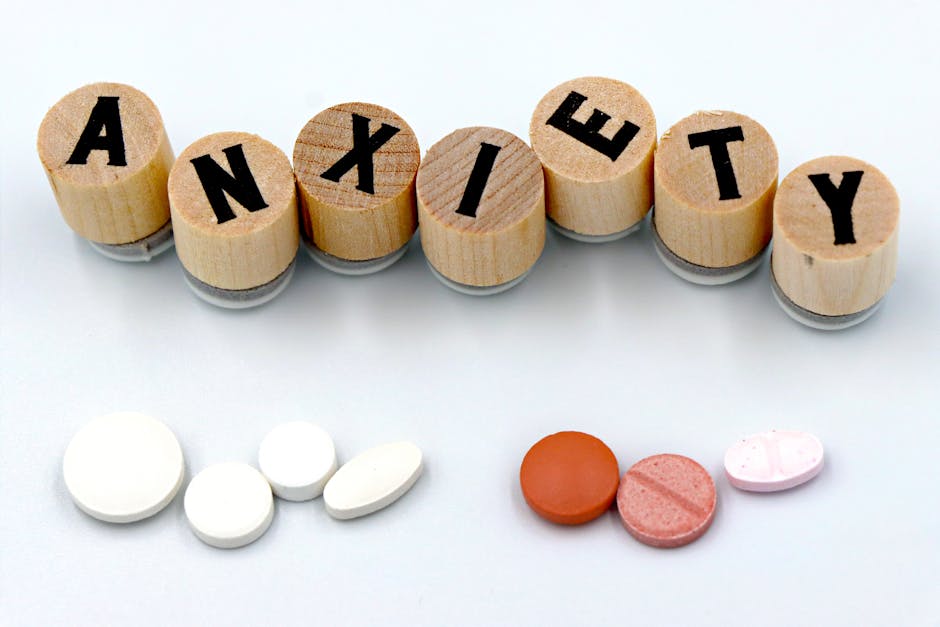
Feeling overwhelmed in social situations during perimenopause is a common experience. This sudden perimenopause social anxiety often stems from hormonal fluctuations that heighten your nervous system's response, making once-enjoyable gatherings feel like a source of stress and sensory overload. It's not a personal failing, but a physiological response to this transitional phase.
I was standing in my friend's kitchen, a place where I'd laughed until I cried a hundred times. But this time, all I could hear was the noise. The blender whirring, the two conversations happening at once, the music in the background. My heart was thumping against my ribs. I felt a desperate, primal urge to just walk out the door, get in my car, and drive home to the silence. This is a classic example of sensory overload perimenopause can trigger, and I couldn't understand why.
Why Do I Suddenly Have Social Anxiety in Perimenopause?
I used to be the life of the party. Or at least, a very enthusiastic attendee. I loved people. I loved the energy of a group, the stories, the connection. Then, somewhere around my 44th birthday, a switch flipped. The person who once looked forward to a Friday night out started dreading the ding of a new text invitation. It wasn't the people — it was the feeling. A jittery, on-edge sensation that would settle in my chest hours before I even left the house, a feeling that a formula like GloSerene is designed to help support.
And the brain fog was brutal. I'd be mid-sentence, telling a story I knew by heart, and the next word would just vanish. Poof. Gone. I'd stand there, my mouth half-open, feeling the awkward silence stretch. It was humiliating. This isn't just a feeling; it's a well-documented part of the menopausal transition, where hormonal shifts can directly impact our memory and cognition. But knowing that didn't make it any less mortifying in the moment.
More on which kind of support your brain fog needs.I’d come home from a simple dinner with friends and feel completely hollowed out, as if I’d run a marathon. The exhaustion was bone-deep. My sleep was a mess of waking up at 3 a.m. with a racing mind, and that lack of real rest just made everything harder the next day. This cycle is incredibly common, and finding a supportive sleep supplement like GloRest can be a game-changer. Poor sleep can directly hammer your emotional health, leaving you feeling more stressed and less able to cope with… well, anything. I thought I was becoming a hermit. A boring, anxious hermit who couldn't even keep up with a conversation. And I was starting to believe this was just my new, permanent personality.
How Can I Start Feeling Like Myself Again?
The real shift came after I bailed on my niece's engagement party with a last-minute, made-up excuse. The guilt was overwhelming. This wasn't me. I loved my family. I loved celebrating. Who was this person who preferred sitting alone in a quiet house to being with the people she cared about most? This experience of feeling withdrawn perimenopause can cause is isolating, but it was also my turning point.
That night, I went down a research rabbit hole. But instead of just googling "why do I hate parties now," I started looking at medical journals. I read about how periods of huge hormonal fluctuation, like perimenopause, can make women more vulnerable to developing anxiety and mood issues. It was a lightbulb moment. This wasn't a character flaw. It was biology.
We write more about hormones and your body here.I learned about the connection between our hormones—specifically the rollercoaster of estrogen and progesterone—and our stress response system. It felt like my internal alarm system was stuck in the "on" position. Chronic stress is a huge factor in how we experience this transition, and studies show it's significantly linked with depressive symptoms during perimenopause. My body was perceiving a normal, fun social event as a threat. The noise, the people, the stimulation — it was all too much for my overloaded nervous system.
The biggest irony? I found research showing that a strong social network is one of the very things that can help reduce perimenopausal symptoms. So my brain was telling me to run away from the exact thing that could help me. That's when I knew I had to stop just white-knuckling my way through it and start actively supporting my body.
What Does Life Look Like After Addressing Perimenopause Anxiety?
It wasn't an overnight fix. It was a slow, steady process of rebuilding. I started being honest with my friends. "I'm feeling a little overwhelmed lately, so I might just pop in for an hour." Giving myself an exit strategy took so much pressure off. I focused on my sleep like it was my job — dark room, no phone before bed, the whole nine yards.
I also looked at my nutrition. I'd always eaten "healthy," but I started learning about specific nutrients that can support the body's stress response and mood. I came across studies that looked at how targeted nutritional interventions could play a role in managing anxiety symptoms during this time. It just made sense. If my body was under more stress, it needed more support.
Today, I'm back in the kitchen with my friends. I'm not always the last one to leave, and that's okay. But I'm present. I can follow the conversations without my brain short-circuiting. I can laugh without a part of me just wanting to flee. The constant, low-grade hum of anxiety is gone. I feel more resilient, more like the woman I was before — just a little wiser and a lot more in tune with what my body actually needs. It's not about being perfect. It's about feeling like myself again.
Could This Be You?
Explore how GloRest, GloSerene, and GloBalance may support your wellness goals during a time of change.
→ GloRest
Frequently Asked Questions
Why does perimenopause cause social anxiety?
Hormonal shifts during perimenopause, particularly with estrogen and progesterone, can disrupt your nervous system and stress response. This makes your brain perceive normal social situations as threatening or overwhelming, leading to perimenopause social anxiety.
Is it normal to experience sensory overload during perimenopause?
Yes, it's very common. Fluctuating hormones can make your brain more sensitive to stimuli like noise, lights, and multiple conversations. This can lead to sensory overload in perimenopause, even in familiar and previously comfortable environments.
How can I cope with feeling withdrawn during perimenopause?
Start by being honest with loved ones about how you're feeling and give yourself permission to set boundaries, like attending events for shorter periods. Prioritizing sleep, nutrition, and stress management can also support your nervous system and help you gradually re-engage.
Sources
- A study on anxiety and depression symptoms among menopausal women: a web based cross sectional survey (2024)
- Menopause and cognitive impairment: A narrative review of current ... (2021)
- Psychosomatic and vasomotor symptom changes during transition to menopause. (2019)
- Perimenopause and First-Onset Mood Disorders: A Closer Look (2021)
- Protective and harmful social and psychological factors associated with mood and anxiety disorders in perimenopausal women: A narrative review (2024)
- The relationship between social support, stressful events, and menopausal symptoms in perimenopausal women (2021)
- Effects of nutritional interventions on the severity of depressive and anxiety symptoms of women in the menopausal transition and menopause: a systematic review, meta-analysis, and meta-regression. (2023)
This statement has not been evaluated by the Food and Drug Administration. This product is not intended to diagnose, treat, cure, or prevent any disease.