
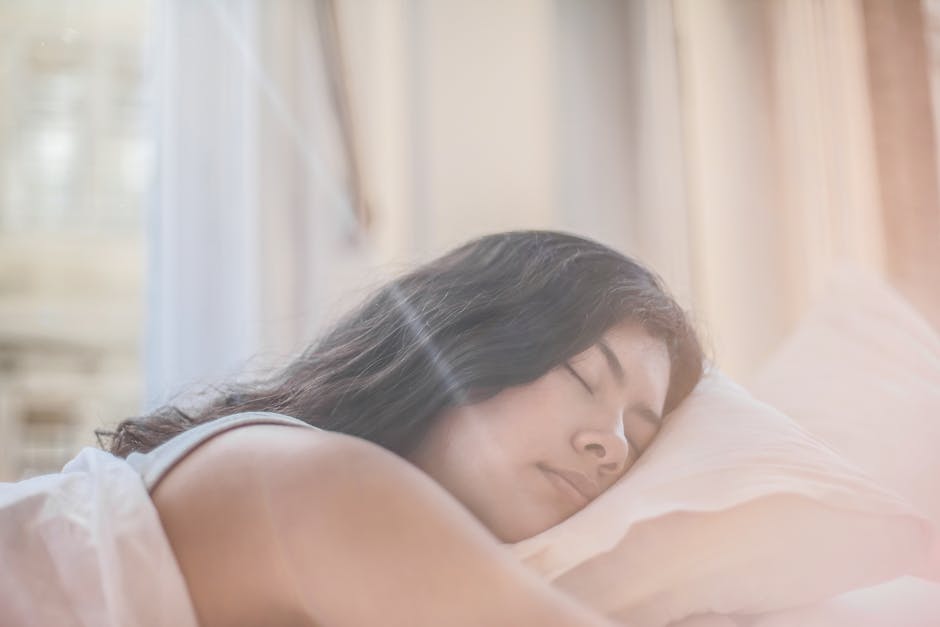
I used to think my exhaustion was a moral failing. Like if I just tried harder, I could somehow outsmart the brain fog and the 3 a.m. wake-up calls that left my sheets drenched.
When your thyroid gets sluggish during perimenopause, it’s a double hit to your sleep, making the challenges of thyroid and perimenopause sleep feel even more intense. Your thyroid helps manage your body's temperature and metabolism. When you layer that on top of the hormonal chaos of perimenopause, symptoms like night sweats and anxiety can intensify, making deep, restorative sleep feel completely out of reach.
Is It Perimenopause or My Thyroid Wrecking My Sleep?
That's the million-dollar question, isn't it? You go to the doctor feeling exhausted, anxious, and unable to sleep through the night. The conversation immediately turns to perimenopause. And yes, that’s a huge part of it. But it's often not the whole picture. So many of the symptoms we chalk up to perimenopause—the insomnia, the mood swings, the brain fog—are also classic low thyroid symptoms women experience. They overlap almost perfectly. So when both are happening at once, the effects feel like they multiply, creating a cumulative burnout that is just so, so draining.
More on how to tell perimenopause from a thyroid issue.Why Do These Two Systems Seem So Intertwined?
It's not a coincidence. There’s a direct biological conversation happening between your hormones and your thyroid. Research suggests that estrogen has a direct line to your thyroid cells. Think about that. During perimenopause, when your estrogen levels are swinging wildly from high to low, your thyroid is getting all sorts of mixed signals. It’s like it's trying to do its job while the power keeps flickering on and off. And this isn't just about feeling tired or moody. When both systems are under strain for a long time, it can compound the risks for other long-term health concerns, like cardiovascular and bone health. So paying attention to this connection is more than just a sleep issue—it’s about your future wellness.
So, What Can Actually Offer Some Support?
Just being told to "practice better sleep hygiene" can feel pretty insulting when your body is waging a war against itself at night. The goal isn't to fight it, but to gently support the systems that are struggling. And science is pointing us in some helpful directions. For instance, a clinical study on women in the menopausal transition found that Myo-inositol supplementation was observed to improve thyroid function, suggesting a nutritional pathway for support. Other research has found that melatonin, our body’s own sleep hormone, could help ease some of the sleep and mood disturbances common in perimenopause. It’s not about a single magic bullet, but about understanding the moving parts and finding ways to support them.
What This Means for You
Look, this stuff is complicated. It's okay if it feels overwhelming. The most important thing is to stop blaming yourself. You're not failing at sleep—your body is navigating an incredibly complex transition. Knowing that your thyroid and your hormones are in this together can be the first step toward finding what works for you. It's about listening, being patient, and giving your body the support it's asking for. You're not alone in this.
Frequently Asked Questions
Will supporting my thyroid automatically resolve my perimenopause sleep problems?
Not necessarily, but it can be a huge piece of the puzzle. Think of it this way: perimenopause itself can disrupt sleep due to fluctuating estrogen and progesterone. A sluggish thyroid adds another layer of disruption. Supporting your thyroid may help reduce overlapping symptoms like night sweats, but it's important to address your overall hormonal balance, too.
Why do I get night sweats if my thyroid is sluggish? Wouldn't that make me cold?
It's confusing, right? A slow thyroid often is linked to feeling cold. But both your thyroid and your ovarian hormones play a role in regulating your body's thermostat. When both systems are sending crossed signals, your body can get really confused, leading to erratic temperature swings—like feeling chilled during the day and waking up drenched at night.
Besides supplements, can lifestyle changes make a difference for both thyroid and perimenopause sleep?
Absolutely. Things that manage your stress—like gentle yoga, meditation, or even just a walk outside—can help calm the whole system down. Focusing on a diet rich in nutrients that support both your thyroid and hormonal balance can also create a strong foundation for your overall wellness. It all works together.
There’s more on how cortisol crowds out your other hormones here.Sources
- EMAS position statement: Thyroid disease and menopause (2024)
- Influence of Melatonin Treatment on Emotion, Sleep, and Life Quality in Perimenopausal Women (2023)
- Thyroid Dysfunction in Peri-and Postmenopausal Women—Cumulative Risks (2023)
- Thyroid and menopause: Explaining the link (2018)
- Myo-inositol and melatonin in the menopausal transition (2017)
- Sleep Disturbance and Perimenopause: A Narrative Review (2025)
- Menopause and Sleep: What Every Woman Should Know (2026)
- Thyroid Problems in Perimenopause + What to Do About It (2025)
- Botanical and Dietary Supplements for Menopausal Symptoms - PMC - NIH (2005)
This statement has not been evaluated by the Food and Drug Administration. This product is not intended to diagnose, treat, cure, or prevent any disease.