
It’s 3 a.m. You’re wide awake, heart pounding and sheets soaked through. Again.
This sudden night waking is often linked to reactive hypoglycemia in perimenopause, a sharp drop in blood sugar hours after a meal. During this transition, fluctuating estrogen can disrupt your body's ability to manage blood sugar, making these crashes more likely. The crash triggers a surge of cortisol and adrenaline, shocking you awake.
So, What Exactly Is a Blood Sugar Crash?
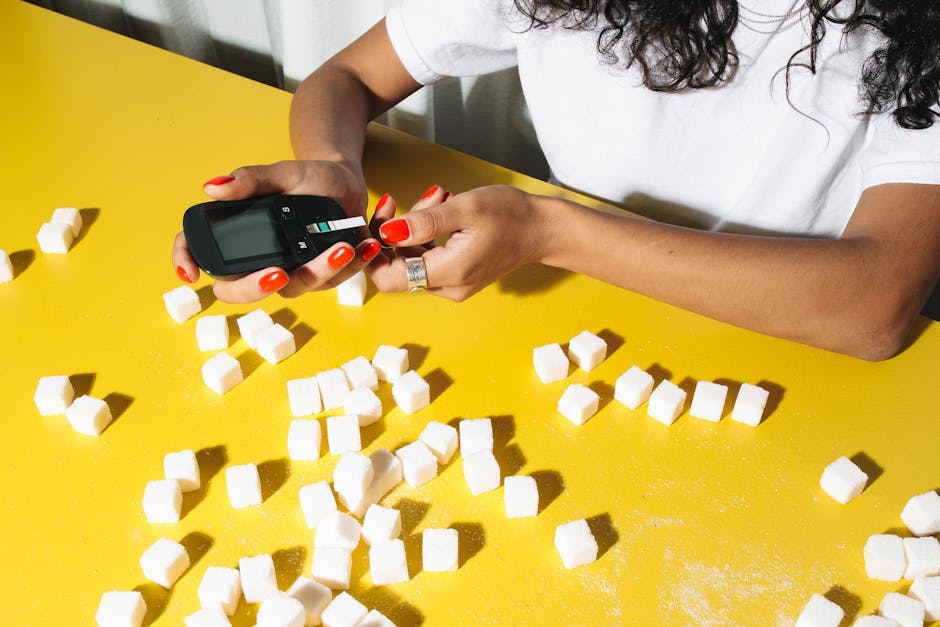
You’ve probably heard it called a sugar crash, but the technical term is reactive hypoglycemia. It’s not about having chronically low blood sugar. It's a specific reaction that happens after you eat—usually within four hours. You eat something, often a meal high in simple carbs or sugar (think white bread, pasta, a dessert), your blood sugar spikes, and your body releases insulin to handle it. But sometimes, especially when our hormones are in flux, the body overcorrects. It sends out too much insulin, and your blood sugar plummets too low, too fast.
And that’s the crash. Suddenly you feel shaky, anxious, maybe a little dizzy or irritable. One study looking at women with PCOS—a condition that shares some metabolic challenges with perimenopause—found that eating simple carbohydrates caused reactive hypoglycemia in a third of the participants. It shows just how sensitive a woman's body can be to these spikes and crashes. It’s a physical response, not a personal failing.
Why Does This Get So Much Worse in Perimenopause?
Because, hormones. Estrogen, it turns out, is a key player in how our cells use glucose and respond to insulin. It helps support insulin sensitivity, meaning our body can efficiently use sugar for energy. But during perimenopause, estrogen isn't the reliable, steady presence it once was. It's all over the place. These fluctuations and eventual decline can compromise our ability to manage blood sugar effectively.
Think of it like this: for years, your body had a finely tuned system for managing energy. Now, one of the main managers, estrogen, has started showing up late or not at all. The whole system gets a little chaotic. That pasta you’ve eaten for years without a problem? Your body might suddenly react to it completely differently. And honestly? That's exhausting and incredibly frustrating when you're just trying to figure out what's going on with your body.
How Does a Blood Sugar Drop Wake Me Up at 3 a.m.?
This is the part nobody told me about for years. That jolt awake—the one with the pounding heart, the sense of doom, the sudden heat—isn't just a random hot flash. It’s often your body’s emergency alarm system. When you experience a blood sugar crash at night, your brain perceives it as a threat. A five-alarm fire.
In response, your adrenal glands pump out a flood of counter-regulatory hormones, mainly cortisol and adrenaline, to quickly raise your blood sugar back to a safe level. This is a survival mechanism. We look at what a broken cortisol rhythm does to sleep separately. But those same hormones are also your "fight or flight" chemicals. They spike your heart rate, tense your muscles, and—you guessed it—wake you up. Instantly. It's a brilliant system for saving your life, but it's absolutely terrible for your sleep quality, often making it hard to fall back asleep without support like GloRest.
To make matters worse, the sleep deprivation that follows just feeds the cycle. The rest of our writing on sleep is here. Poor sleep can lead to a sustained increase in cortisol during the day. Higher cortisol can contribute to higher blood sugar levels and insulin resistance, making you even more prone to the spike-and-crash roller coaster. It's a vicious cycle, isn't it?
What This Means for You
First, know that you’re not imagining it. This is a real, physiological process. That feeling of anxiety or panic in the middle of the night has a biological trigger, and understanding that can be a huge relief.
This isn't about blaming food or fearing carbs. It’s about becoming a detective for your own body. Start paying attention to what you eat for dinner or as an evening snack and how you feel a few hours later, especially overnight. Does a high-carb dinner lead to a 2 a.m. wakeup call? Does adding more protein and healthy fat to your evening meal seem to help you sleep through?
This information is a starting point for a conversation with your doctor or a qualified healthcare provider. They can help you figure out if this is what's happening and rule out other possibilities. They might suggest tests, like an oral glucose tolerance test (OGTT), to get a clearer picture. You don't have to just endure it. There are answers.
Frequently Asked Questions
Does this mean I have to stop eating carbs to avoid night sweats?
Not at all. It’s more about the type of carbs and what you pair them with. Try focusing on complex carbohydrates (like sweet potatoes, quinoa, or beans) instead of simple ones (like white bread or sugary snacks), especially in the evening. Pairing any carb with protein, fiber, and healthy fat can help slow down sugar absorption and prevent that sharp spike and subsequent crash, which is the same principle behind formulas like GloBalance.
Why does this always seem to happen between 1 and 4 a.m.?
This window is often when your blood sugar from dinner can hit its lowest point, typically 3-4 hours after your meal. It also coincides with a natural dip in your body's own cortisol rhythm before it starts to rise to wake you for the day. A sudden, sharp demand for more cortisol to raise blood sugar during this quiet period can feel especially jarring.
Are all perimenopausal night sweats caused by reactive hypoglycemia?
No, definitely not. The most common cause of night sweats in perimenopause is the drop in estrogen itself affecting the body's thermostat. However, these blood sugar-driven awakenings with a pounding heart are a very specific type of night waking that is often overlooked. It's just one more piece of the complex puzzle of midlife hormonal health.
Sources
- Blood Sugar Drops Causing Night Waking: Vital Steps for Women 40-50 | Ubie Doctor's Note (2026)
- Reproductive Life Span and Severe Hypoglycemia Risk in Postmenopausal Women with Type 2 Diabetes Mellitus - PMC (2022)
- Reactive Hypoglycemia: A Trigger for Nutrient-Induced Endocrine and Metabolic Responses in Polycystic Ovary Syndrome - PubMed (2023)
- Menopause and blood sugar explained - Ultrahuman (2025)
- Reactive hypoglycemia - Wikipedia (2026)
- A Review of the Hypoglycemic Effects of Five Commonly Used Herbal Food Supplements - PMC (2013)
This statement has not been evaluated by the Food and Drug Administration. This product is not intended to diagnose, treat, cure, or prevent any disease.