
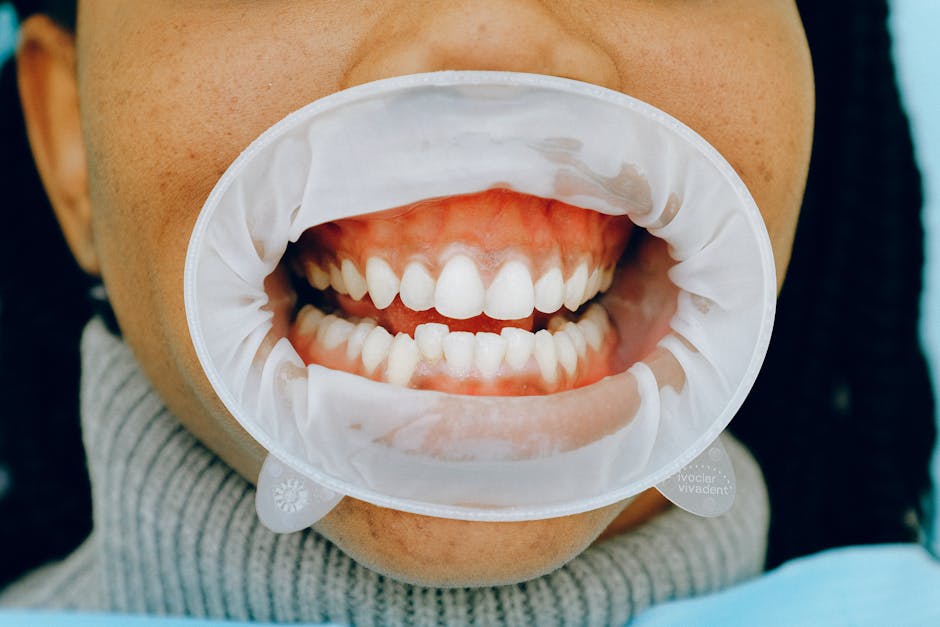
You do everything right. You brush, you floss, you see the dentist. Yet suddenly, you see pink in the sink every morning. It’s one of those little things that just makes you feel... off.
The short answer to why you're experiencing perimenopause bleeding gums is hormones. As estrogen levels decline during perimenopause, the tissues in your gums can become thinner and more sensitive. This makes them much more likely to get inflamed and bleed from the normal bacteria in your mouth, and that nagging discomfort can absolutely interfere with your sleep.
So, Why Are My Gums Suddenly Betraying Me?
It can feel completely unfair. You haven’t changed a thing about your routine, but your oral health seems to have gone haywire. This isn't in your head. The link between estrogen and oral health is well-established; your gums have estrogen receptors, and when estrogen starts its perimenopausal rollercoaster, your gums feel it. The lining of your gums can actually get thinner, making it more vulnerable to irritation from dental plaque.
And it gets better. Your body might also start having an "exaggerated inflammatory response" to that plaque. What does that mean? It means the same tiny amount of plaque that your gums ignored a few years ago might now trigger a full-on red alert — leading to puffiness, sensitivity, and bleeding. So no, you're not imagining it, and you're not suddenly bad at brushing your teeth. Your body is just reacting differently. And honestly? That's exhausting.
Is 'Menopausal Gingivostomatitis' a Real Thing?
Yes, and it’s a mouthful to say. But it’s a specific condition some women experience during this transition, sometimes referred to as hormonal gingivitis. It’s characterized by gums that look oddly pale or, on the flip side, a deep, angry red. They might also look dry or shiny and bleed with the slightest touch.
To add to the fun, perimenopause can also reduce your saliva flow, leading to dry mouth (the clinical term is xerostomia). Saliva is your mouth’s natural bodyguard — it rinses away food particles and helps neutralize acids from bacteria. When there’s less of it, plaque can build up more easily, increasing the risk for both gum inflammation and cavities. The rest of the Glomend Journal is here. It’s a chain reaction, all starting with those shifting hormones.
How Does a Sore Mouth Mess With My Sleep?
Think about trying to sleep when you have a mild headache or a nagging ache in your back. It’s not a five-alarm fire, but it’s a constant, low-grade distraction. That's what can happen with sensitive, sore, or bleeding gums. That persistent discomfort acts as a physical stressor that can disrupt your sleep patterns.
It might make it harder to drift off in the first place, or it could be just enough of an irritation to pull you out of a deep sleep in the middle of the night. And when you’re already dealing with night sweats or anxiety, the last thing you need is your mouth adding to the list of things keeping you awake. It's not just about your oral health; it’s about your overall wellness and getting the restorative rest you need to function. If this sounds familiar, see why your thoughts race at bedtime.
What This Means for You
First, take a breath. Knowing the "why" behind this bizarre new symptom can be a relief in itself. It’s not a personal failure; it's a physiological shift.
This is the time to be extra gentle with yourself and your mouth. Think soft-bristled toothbrushes and careful, consistent flossing. But the biggest step is to talk to your dentist. Tell them you're in perimenopause and you've noticed these changes. They’ve seen this before. They can help you figure out if this is hormonally-driven sensitivity or a sign of a more serious gum issue that needs attention. You don't have to just put up with it. Connecting these seemingly random dots is the first step to feeling more in control.
Frequently Asked Questions
Can perimenopause cause bleeding gums even if I brush and floss perfectly?
Yes, absolutely. Because of hormonal changes, your gums can have a stronger inflammatory reaction to even small amounts of plaque. So even with a great routine, you might experience sensitivity and bleeding that you never had before.
Is gum bleeding during perimenopause a sign of serious gum disease?
It can be, but it isn't always. It's often just a temporary heightened sensitivity linked to estrogen shifts. However, you can't self-diagnose. It's essential to see a dentist to rule out more serious conditions like periodontitis and get the right advice for your situation.
Besides my gums, what other oral health changes might I notice in perimenopause?
It's not just about bleeding gums. Some women also experience a persistent dry mouth, changes in taste, or even a burning sensation in their mouth or on their tongue. All of these can be linked to the same hormonal fluctuations.
Sources
This statement has not been evaluated by the Food and Drug Administration. This product is not intended to diagnose, treat, cure, or prevent any disease.