
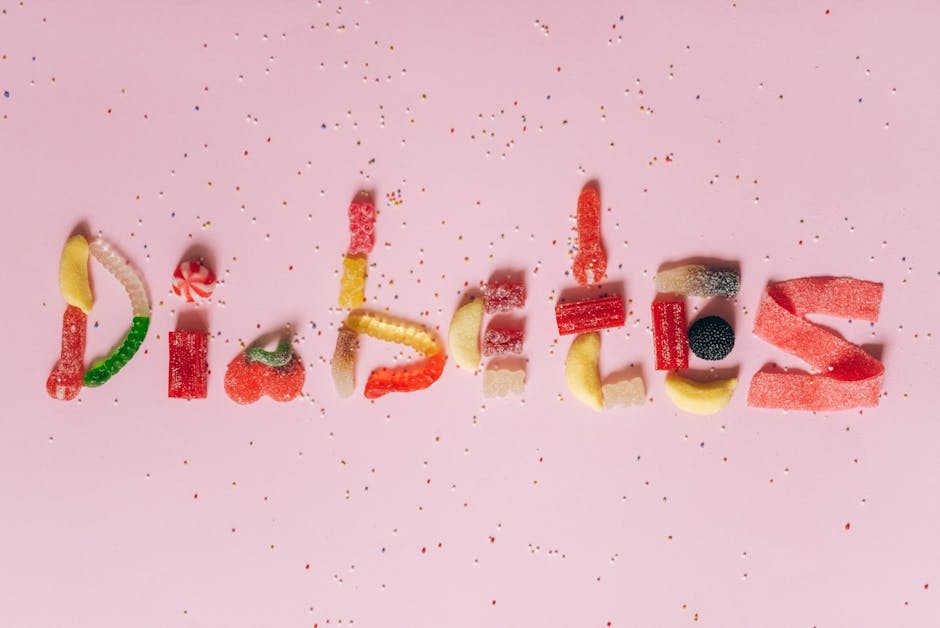
It’s 9 PM, you’ve finally sat down, and suddenly the pantry starts whispering your name. That half-eaten bag of chocolate chips feels less like a snack and more like a survival tool. But you know the price: a night of restless, sweaty sleep.
This is not another lecture on willpower. It’s a practical guide to building your own ‘cravings toolkit’—a pre-planned set of physical and mental strategies to help you manage perimenopause sugar cravings. The goal is to support better blood sugar balance for sleep, so you can finally get the rest you deserve.
Step-by-Step: Assembling Your Cravings Toolkit
First, Let Go of the Guilt. Let’s get this straight—those intense, late-night cravings aren’t a personal failing. They are deeply biological. During perimenopause, shifting hormones like estrogen can mess with your appetite and stress responses, making you crave sugary or salty foods. It's not you. It’s your physiology. So let’s stop blaming ourselves and start building a plan.
Prep Your Physical Toolkit. When a craving hits, the last thing you want to do is make a complicated, healthy decision. The key is to have a few easy, healthy swaps for sweet cravings ready to go. This isn't about deprivation; it's about a smarter choice. Your physical kit could have a square of 85% dark chocolate, a mug of cinnamon tea (which feels surprisingly sweet), or a small bowl of berries with a spoonful of full-fat yogurt. We look at why sugar cravings hit at night separately. The point is to have something that satisfies without sending your blood sugar on a wild ride that tanks your sleep quality.
Build Your Mental Toolkit. Sometimes a craving has nothing to do with hunger. It’s stress. When the stress hormone cortisol is high, your body often screams for a quick energy hit—aka, sugar. Your mental kit is for these exact moments. Try a 5-minute guided meditation on your phone. Step outside for ten deep breaths. Or just scribble down whatever’s on your mind in a notebook. These aren't just fluffy wellness tips; they're direct ways to manage the stress response that can trigger the urge in the first place. The rest of our writing on mood and brain fog is here.
Stabilize Your Fuel During the Day. How you handle a 10 PM craving often starts with what you ate at 10 AM. Eating meals balanced with protein, healthy fats, and fiber helps keep your blood sugar from spiking and crashing all day long. A steadier blood sugar level means you're less likely to feel that desperate need for a quick sugar fix when you're tired at night. Think of it as proactive craving management.
Be Honest About Supplements. You’ve probably seen supplements like L-glutamine or chromium picolinate promoted for sugar cravings. And honestly? The science just isn't there yet. A major review of studies on sugar addiction found there is currently not enough scientific evidence to say they work for sweet cravings. That doesn’t mean they’ll never be proven helpful, but for now, the foundational lifestyle strategies are where the real, evidence-based support lies.
How Can I Make This Toolkit Work Long-Term?
This isn't about perfection. Some nights, you’ll reach for the tea. Other nights, you’ll eat the cookies. And that’s okay. The goal isn’t to create another rigid set of rules to beat yourself up with. It's about having a plan in your back pocket, so you feel like you have options other than just giving in and feeling awful later.
Start small. Just pick one thing for your physical kit and one for your mental kit. Put the tea bags right next to the cookie jar. Download the meditation app so it’s ready. Making the better choice just a tiny bit easier can make all the difference. This is a practice, not a pass/fail test.
Frequently Asked Questions
Why do my perimenopause sugar cravings get so much worse at night?
It's often a combination of things. Cortisol levels naturally dip at night to prepare for sleep, but if you're stressed, they can remain high, triggering cravings. Also, decision fatigue is real—after a long day, your brain has less energy to resist ingrained habits.
Will managing my sugar cravings with a toolkit help me lose weight?
It might, but that’s not the primary goal here. The main focus is on supporting stable blood sugar to improve your sleep quality and reduce the stress-craving cycle. Better sleep and less stress can contribute to overall wellness, which may include finding a healthier weight, but this toolkit isn’t a weight loss plan.
What if I use my toolkit and still end up eating the sugar anyway?
Then you’re human. This is not about achieving a perfect record. The goal is to build awareness and have tools at the ready. If you use a tool and then also have the sugar, don’t see it as a failure. You’re simply building a new habit, and that process is never a straight line.
Sources
- Here’s How Menopause Affects Your Appetite and Cravings — Cleveland Clinic Health Essentials (2022)
- Carbohydrates and Blood Sugar — Harvard T.H. Chan School of Public Health (N/A)
- Why stress causes people to overeat — Harvard Health Publishing (2021)
- Stress management — Mayo Clinic (2023)
- Weight Management Module for Perimenopausal Women - PMC - NIH (2020)
- About Sugar Addiction - PMC - NIH (2024)
- Perimenstrual chocolate craving. What happens after menopause? - PubMed (2009)
This statement has not been evaluated by the Food and Drug Administration. This product is not intended to diagnose, treat, cure, or prevent any disease.