
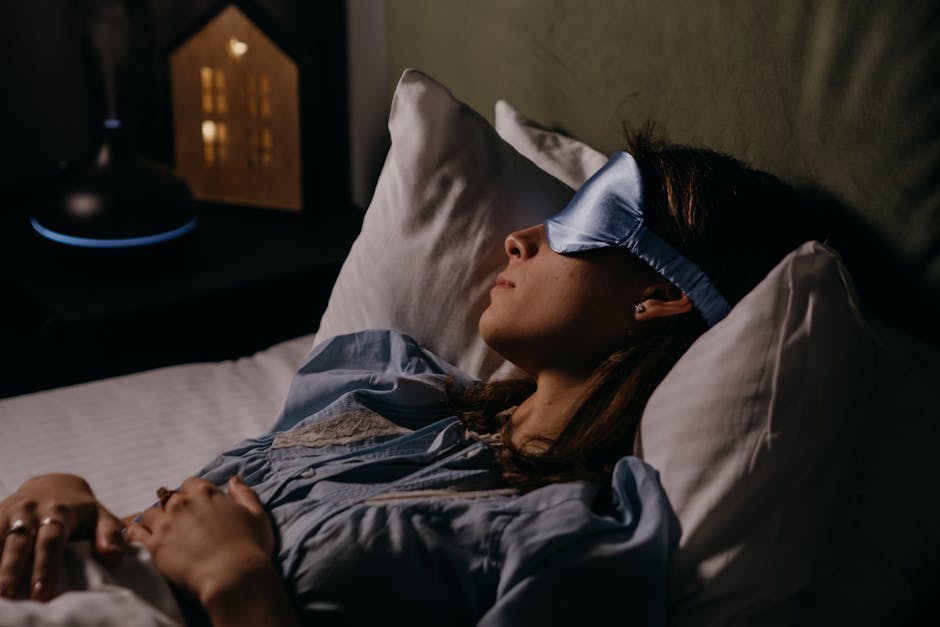
Lying awake at 3 a.m. again? If you're anything like I was, your mind is racing, your body feels restless, and you might even be kicking off the covers from a wave of heat. It's exhausting.
This isn't about some complicated, 12-step wellness ritual. It’s about creating a simple, repeatable bedtime routine for perimenopause that signals to your body and brain that it’s time for rest. These practical sleep hygiene tips are designed to help calm your system and create the right conditions for sleep during perimenopause.
Step-by-Step: Your Perimenopause Wind-Down Routine
- Cool your room down. Now. I mean it. Night sweats and hot flashes are a primary reason our sleep gets so disrupted during this time. Keeping your bedroom cool is one of the most practical things you can do. Crack a window, turn on a fan, or lower the thermostat. A cool environment is critical for managing those internal temperature surges. Here’s why hot flashes follow certain meals, in more detail.
- Put your phone to bed an hour before you do. We all know this, but it’s extra important now. The endless scrolling and blue light can mess with your body's natural sleep signals. But it’s more than that — it's about giving your brain a break from the constant input and low-grade stress that keeps cortisol levels humming.
- Do a “brain dump.” Grab a notebook and a pen (the old-fashioned kind). For five minutes, write down everything that's on your mind—the to-do list, the worries, the random thought about that thing you forgot to do. This practice, often used in Cognitive Behavioral Therapy for Insomnia (CBT-I), helps get the anxieties out of your head and onto the page, so you're not wrestling with them in the dark. More on a morning routine that steadies cortisol.
- Stretch, but gently. This isn’t a workout. Think gentle, restorative movements. A few simple cat-cow stretches, a child’s pose, or some light leg stretches can help release physical tension you might be holding in your body. The goal is to calm your nervous system — not ramp it up.
- Be mindful of what you eat and drink late. A big meal, spicy food, or alcohol too close to bed can all trigger night sweats or disrupt sleep. And what about foods that are supposed to *help*? You might have heard about soy or other phytoestrogens. Honestly, the science here is all over the place, with studies showing conflicting results. So instead of searching for a magic food, just focus on not having anything that you know bothers you.
- Make it a non-negotiable ritual. The real power isn't in any single step; it's in the consistency. Doing the same simple things, in the same order, every night creates a powerful cue for your brain. It starts to learn: "Okay, the lights are dim, the phone is away... it's time to prepare for sleep," and a dedicated formula like GloRest can be a powerful part of this signal.
Tips to Make This Work Long-Term
Please don't try to do all of this perfectly on the first night. That’s just another way to put pressure on yourself, and the last thing we need is more pressure. Just pick one thing. Maybe tonight, you just focus on cooling down your room and putting your phone away. That's a huge win.
And remember this is a phase. Perimenopause brings profound hormonal changes, with fluctuating estrogen directly linked to sleep disturbances, hot flashes, and mood shifts. A good bedtime routine for perimenopause isn’t about fighting your body; it's about working with it. These perimenopause insomnia solutions are about giving yourself a little extra support, like the targeted ingredients in GloSerene, and quiet when your system needs it most.
Frequently Asked Questions
Why is my sleep suddenly so terrible in my 40s?
It's likely tied to the hormonal shifts of perimenopause. Fluctuating estrogen can directly impact your sleep cycles and also contribute to symptoms like night sweats and anxiety, which are major culprits for waking you up at night.
How long will it take for a new bedtime routine to actually help my sleep?
There's no magic number, but think in terms of weeks, not days. The key is consistency. Your brain needs time to build the association between your routine and sleep, so try to stick with it for at least 2–3 weeks before deciding if it's working for you.
Should I drink chamomile tea or eat specific foods to fall asleep faster?
While some people find gentle herbal teas like chamomile relaxing, there's no single food that's a guaranteed fix for perimenopausal sleep issues. The research on dietary strategies, like eating more soy, is still really mixed. It’s often more helpful to focus on avoiding things that disrupt sleep, like caffeine or alcohol, late in the day.
Sources
- The Importance of Nutrition in Menopause and Perimenopause—A Review (2024)
- Management of the Perimenopause - PMC (2018)
- Perimenopause: From Research to Practice - PMC (2016)
- How to Get Better Sleep During Perimenopause - Biology Insights (2024)
- How to create the ideal bedtime routine for adults — Calm Blog (2024)
"This statement has not been evaluated by the Food and Drug Administration. This product is not intended to diagnose, treat, cure, or prevent any disease"