
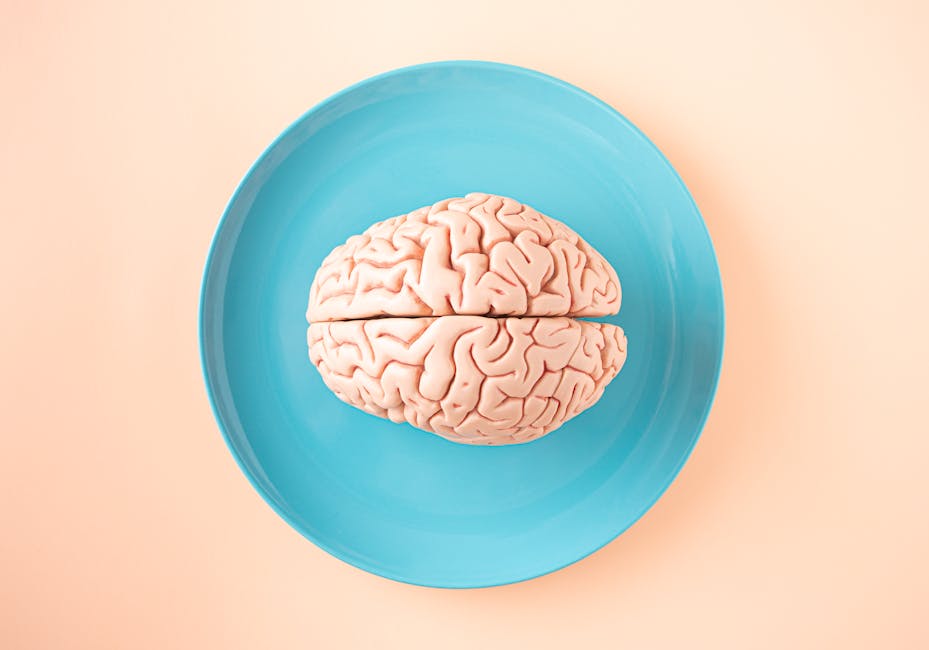
Have you ever been in the middle of a sentence and just… stopped? The word you need is gone. Vanished. It’s a frustrating, almost disorienting feeling that used to be my constant companion.
Chronic stress during perimenopause can keep your cortisol levels elevated, which is a key factor in the link between cortisol and brain fog perimenopause symptoms. Research suggests this hormonal disruption directly interferes with your brain’s memory center, the hippocampus, causing the memory lapses and mental fuzziness so many of us experience.
So, Is It Just Stress or Is It Perimenopause?
That’s the million-dollar question, isn't it? For years, I thought my exhaustion and brain fog were just the price of a busy life. But it turns out it's not that simple. It’s not an either/or situation; it’s a feedback loop. Perimenopause itself is a source of stress on the body. If this sounds familiar, see why hot flashes follow certain meals.Symptoms like hot flashes and night sweats aren't just uncomfortable — they actively disrupt our sleep and trigger a stress response. One study even found that cortisol levels can increase right after a hot flash, creating a direct physical link between a classic perimenopause symptom and your body's main stress hormone. So you're not just stressed during perimenopause. Perimenopause is stressing you out, which then makes the cognitive symptoms feel so much worse.
How Exactly Does Cortisol Mess With Your Brain?
Let's get straight to it. Cortisol is not the enemy — we need it to wake up in the morning and respond to real threats. The problem is when it’s always high. Think of it like an alarm that never shuts off. This constant state of high alert can wear things down, showing the direct stress impact on memory. Research points to the hippocampus, a part of your brain that’s critical for learning and memory, as being particularly sensitive to cortisol. When it’s constantly flooded with stress hormones, its ability to file and retrieve memories can get sluggish. In fact, some clinical studies have shown that when people are given corticosteroids (drugs that act like cortisol), they experience temporary verbal memory impairment. It’s a direct demonstration of how this hormone can impact the very cognitive functions that make us feel sharp and on top of things.
Why Does Everything Feel Connected?
Because it is. Perimenopausal brain fog isn't caused by one single thing. It’s a perfect storm. You’ll find more in the Glomend Journal.Your estrogen and progesterone levels are fluctuating, which already affects your brain chemistry. You’re probably not sleeping well, thanks to night sweats or anxiety, which is where a dedicated supplement like GloRest can offer support for restful sleep. And on top of all that, your cortisol levels might be higher than they used to be, partly because of the other symptoms you're dealing with. They all feed into each other. Poor sleep raises cortisol. High cortisol can mess with your mood. Fluctuating hormones trigger a hot flash, which spikes cortisol and wakes you up. It’s a tangled web, and it's why just telling a woman in her 40s to "relax" is some of the most useless advice on the planet.
What This Means for You
Reading this might feel a little overwhelming. I get it. But the goal here isn't to add cortisol to your list of worries. It's the opposite. It’s about understanding the "why" behind what you're feeling. Knowing that there's a physiological reason for your brain fog can be incredibly validating. It’s not a personal failing. It’s not you "losing it." It's a complex interplay between your hormones, your sleep, and your stress response system. And when you understand the mechanics, you can start to focus on the things you can influence, like managing cortisol levels women often find beneficial with support from supplements like GloSerene. It shifts the focus from "what's wrong with me?" to "what does my body need?" And honestly? That's a much more productive place to start.
Frequently Asked Questions
Can high cortisol alone cause brain fog, or is it always linked to perimenopause?
High cortisol from chronic stress can contribute to cognitive issues at any stage of life. However, during perimenopause, its effects can be magnified because you're also dealing with fluctuating hormones and poor sleep, which are all part of the brain fog puzzle.
You mentioned hot flashes raise cortisol. Does that mean getting them under control could help my focus?
The research suggests a connection. Since hot flashes can trigger a cortisol spike, managing them could potentially help calm your overall stress response. When your body isn't constantly reacting to those intense temperature shifts, it may have a positive ripple effect on your cognitive wellness and focus.
Is 'meno-fog' a real medical diagnosis?
"Brain fog" or "meno-fog" isn't a formal medical diagnosis but a term women use to describe a very real set of subjective experiences. It’s how we describe the frustrating memory lapses, difficulty concentrating, and mental slowness that are widely reported during this transition.
Sources
- Understanding Meno-Fog: Navigating Brain Fog During Menopause (2025)
- Perimenopause and Cognition (2011)
- Sleep, stress, or hormones? Brain fog during perimenopause (2021)
- Cognitive Function in Peri- and Postmenopausal Women (2025)
- Using estrogen and progesterone to treat premenstrual dysphoric ... (2025)
- Stress, depression, and anxiety: psychological complaints across ... (2024)
- Cortisol Levels during the Menopausal Transition and Early ... (2009)
- Brain Fog among Perimenopausal Women: A Comparative Study (2021)
This statement has not been evaluated by the Food and Drug Administration. This product is not intended to diagnose, treat, cure, or prevent any disease