
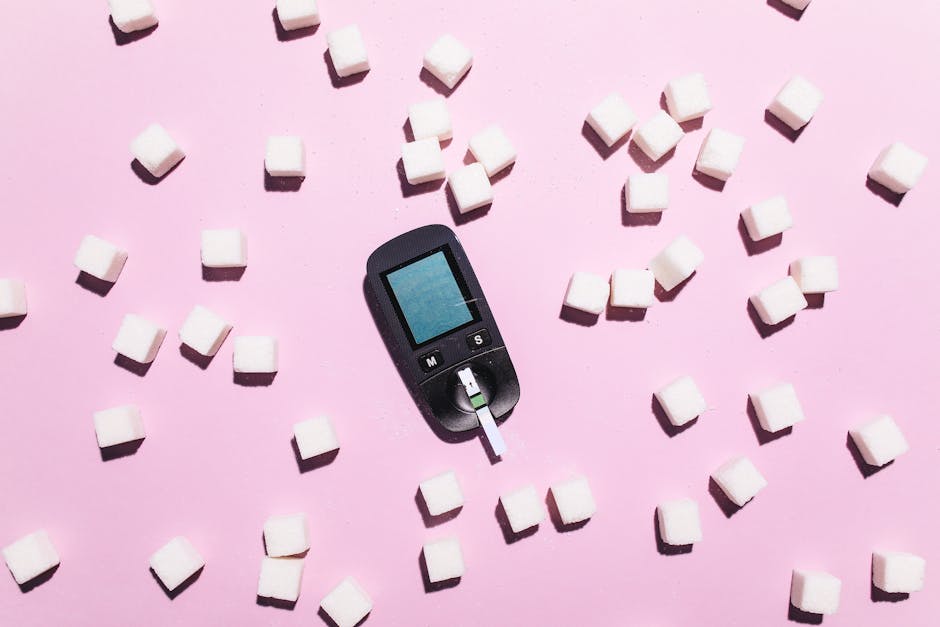
You know that feeling? It's 3 p.m., you’re trying to focus, and suddenly a wave of irritation washes over you so strong you could bite someone’s head off for typing too loudly. Or that sudden, heart-thumping anxiety that seems to come from absolutely nowhere. For years, I thought I was just losing my mind, never realizing the connection between blood sugar and mood swings during perimenopause.
It’s not in your head. During perimenopause, shifting hormones—especially estrogen—can make your body more sensitive to blood sugar fluctuations. When your glucose dips, your body can overreact by releasing stress hormones like cortisol, which can feel exactly like a sudden, unprovoked wave of anxiety, irritability, or brain fog.
So, Are Perimenopause Hormones Really Messing With My Blood Sugar?
Yes, it looks that way. It's not just you feeling off; there’s a real metabolic shift happening under the surface. Our bodies have been running on one operating system for decades, and perimenopause is like a mandatory, slightly chaotic update. The hormonal shifts, particularly the decline in estrogen and testosterone, are directly tied to changes in our mood, focus, and overall emotional resilience. Research has found that the menopausal transition is associated with real changes in our metabolism. One 2022 study, for example, noted that post-menopausal women tended to have higher fasting glucose levels compared to pre-menopausal women, which suggests our whole system of glucose regulation is being recalibrated. So if you feel like your body handles food differently now... you're not wrong. It does. We look at how your metabolism changed the rules separately.
Why Does a Dip in Blood Sugar Feel Like a Panic Attack Now?
This is the part I wish someone had explained to me years ago. A dip in blood sugar isn't just about feeling a little "hangry" anymore. Your body perceives a significant drop in its main fuel source—glucose—as a five-alarm fire. Its emergency protocol? Pump out stress hormones, mainly cortisol and adrenaline, to tell your liver to release more glucose into the bloodstream. It's a brilliant survival mechanism.
But here's the perimenopause twist. We're already walking around with a baseline of hormonal static. Our emotional resilience can be thinner. So when that cortisol surge hits an already taxed system, it doesn’t feel like a gentle course correction. It feels like a tidal wave. That sudden, unexplained dread? The simmering rage that boils over in a split second? It can very well be your body’s over-the-top reaction to a simple blood sugar dip, a phenomenon that can feel like reactive hypoglycemia anxiety. It's no wonder that increased irritability and anxiety are two of the most commonly reported mood symptoms for women in this phase of life, and one of the core perimenopause irritability causes. This whole transition is a known period of heightened vulnerability for mood issues, and these hormonal swings are a huge part of that story.
What This Means for You
First, take a deep breath. Knowing this isn't a character flaw—it's physiology—is a huge piece of the puzzle. You're not "crazy" or "difficult." Your body is navigating a profound change, and it's making you exquisitely sensitive to things that never bothered you before, like waiting an extra hour for lunch.
This isn't about chasing a perfect diet or fearing every carb. It’s about awareness. It’s about starting to connect the dots between how you eat and how you feel, especially between meals. The common advice to avoid giant, sugary meals that send you on a glucose rollercoaster is solid. But the opposite—skipping meals entirely—can be just as rough on your mood. Think about gentle support, not rigid rules. Adding protein, healthy fats, and fiber to your meals can help slow down the absorption of sugar and promote a more stable curve. There’s good evidence that certain dietary patterns, like the Mediterranean diet, can be really supportive for weight management and blood sugar control during this time. Pay attention. Notice what happens an hour or two after you eat. Here’s how to build a blood-sugar-steady plate, in more detail. That's where the clues are. It's about working with your body, not fighting against it.
Frequently Asked Questions
Can perimenopause cause sudden mood swings between meals?
Absolutely. Hormonal shifts can make your system much more sensitive to the normal dips in blood sugar that happen between meals. Your body might respond with a surge of stress hormones, which can feel like a sudden, intense mood swing that comes out of nowhere.
Does anxiety in perimenopause get worse when I'm hungry?
For many of us, yes. When you're hungry, your blood sugar is dropping. Your body's response is to release cortisol to stabilize it. If your nervous system is already on edge from hormonal fluctuations, that extra cortisol can feel less like a re-balance and more like a jolt of anxiety.
Is it normal to feel so much more irritable when hungry during perimenopause?
It’s incredibly common. That "hangry" feeling can be magnified during perimenopause because two things are happening at once: your hormones are impacting your baseline mood regulation, and your body is also changing how it responds to food and blood sugar. It’s a perfect storm for irritability.
Sources
- How to control mood swings during perimenopause (2025)
- Irritability, anxiety, or low mood during perimenopause aren't “just ... (2025)
- Menopause, Hormonal Shifts, and Eating Disorders: A Conversation ... (2026)
- Menopause is associated with postprandial metabolism, inflammation, and sugar intake: the ZOE PREDICT-1 study (2022)
- The Importance of Nutrition in Menopause and Perimenopause—A Review (2024)
- Diabetes and Dietary Supplements: What You Need To Know (2024)
- The interplay between diabetes mellitus and menopause: a narrative review (2022)
- Psychological Changes at Menopause: Anxiety, Mood Swings, and Sexual Wellbeing (2025)
- Neuroendocrine mechanisms of mood disorders during menopause transition (2024)
This statement has not been evaluated by the Food and Drug Administration. This product is not intended to diagnose, treat, cure, or prevent any disease.