
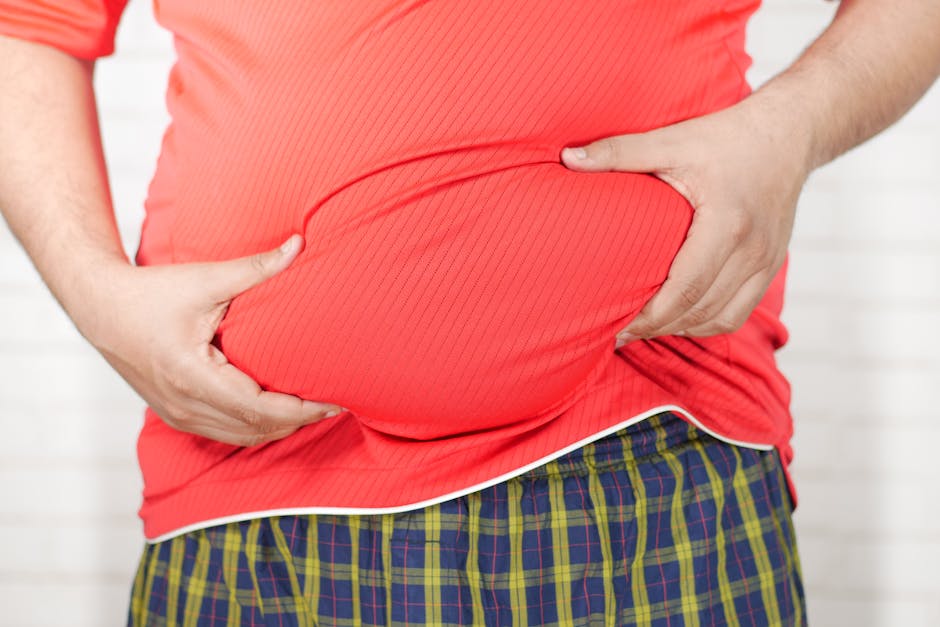
You’re doing all the things. You drink the green smoothie, you walk every day, you choose the salmon salad. Yet by evening, your jeans are unbuttoned and you feel like a hot air balloon. It’s frustrating. And honestly? It’s exhausting.
If you're struggling with persistent perimenopause bloating and gas despite a healthy diet, you’re not imagining it. During perimenopause, your hormones—especially estrogen—go on a rollercoaster. This can slow down your digestion, cause your body to hold onto more water, and even change how your gut microbiome functions, all leading to that constant, uncomfortable feeling.
Why Is My Digestion Suddenly So Sluggish?
It can feel like your digestive system just decided to work in slow motion. And in a way, it has. Fluctuating estrogen levels can affect gut motility, which is the fancy term for how quickly things move through your digestive tract. When this process slows down, food hangs around in your gut for longer than it should. This extra time gives bacteria more of an opportunity to ferment the food, which produces gas. A lot of gas. This isn't just a theory; scientific reviews are now confirming a real relationship between the stages of menopause and an increase in gastrointestinal symptoms like bloating and gas. So no, you didn't suddenly develop an issue with broccoli—your internal rhythm has just changed.
If this sounds familiar, see why hormones slow your gut down.Is This Puffiness Water Retention or Am I Gaining Weight?
It’s a bit of both, and neither is your fault. First, there's the water. Those same unpredictable estrogen levels can mess with the hormones that manage your body's fluid balance, leading to increased water retention. That’s why your rings might feel tight or your ankles a bit swollen. It's a puffy, heavy feeling that seems to come out of nowhere.
But there’s another piece to this puzzle. As a key form of estrogen called estradiol declines, it can signal your body to start storing fat differently. Instead of distributing it on the hips and thighs, your body may begin to favor the abdominal area. This change in body composition isn’t about a lack of discipline—it’s a direct result of hormonal shifts that are completely outside of your control.
We look at why your ankles and fingers swell separately.What’s Going on with My Gut Health?
This was the part that finally clicked for me. We hear a lot about gut health, but it becomes so personal during this phase of life. Your gut is home to trillions of bacteria, a community known as the gut microbiome. And it turns out, the connection between estrogen and gut health is a powerful one. When your hormone levels change, it can alter the balance of good and bad bacteria in your gut. This disruption can contribute to—you guessed it—more bloating and digestive discomfort. The good news is that this is an area where we can have some influence. Research suggests that supporting your gut flora through things like prebiotics and probiotics, as found in targeted supplements like GloBalance, may be beneficial for overall gut wellness.
What This Means for You
First, take a deep breath. What you’re experiencing is real, it’s physiological, and it is not a personal failing. It’s biology. The constant bloating and puffiness aren't because you ate a piece of bread or missed a workout. It’s your body navigating a profound hormonal transition. Understanding the why—the sluggish motility, the water retention, the changes in your gut—is the first step to feeling a little more in control. It allows you to approach your body with compassion instead of frustration. And if your symptoms are persistent or causing you a lot of distress, please talk to a healthcare provider you trust. They can help you rule out other conditions and find a path forward for effective hormonal bloating relief that works for you.
Frequently Asked Questions
Can perimenopause bloating feel different from regular PMS bloating?
Yes, it often does. While PMS bloating is typically cyclical and predictable, showing up right before your period and then disappearing, perimenopause bloating can feel more constant and erratic. Because your hormones are fluctuating daily, you might feel bloated for weeks at a time without any clear pattern.
Why are some foods suddenly making me gassy when they never did before?
This is a really common experience. As hormonal shifts slow down your gut motility, foods have more time to sit and ferment in your digestive tract, creating gas. So, a healthy food like beans or cauliflower that you used to digest easily might now cause discomfort simply because the whole process is more sluggish.
If hormones are the cause, does that mean diet changes are pointless for bloating?
Absolutely not. While you can't stop hormonal fluctuations with your diet, what you eat is an important tool for supporting your digestive system through this change. Focusing on fiber, staying hydrated, and incorporating gut-friendly foods can make a real difference in managing the symptoms. It’s about working with your body, not against it.
Sources
- Bloating During Menopause? Here's What Your Doctor Isn't ... (None)
- The Menopause Belly Is Real - And It's Not About Willpower (2023)
- Weight gain is common in women during perimenopause and after ... (2023)
- The volume and characteristics of research on gastrointestinal symptoms in menopause: a scoping review (2024)
- Prebiotics and Probiotics for Gastrointestinal Disorders (2024)
- The Association between Hormone Replacement Therapy and Gastroparesis: A Propensity Score-Matched Analysis (2024)
- Perimenopause symptoms, severity, and healthcare seeking in women in the US (2025)
- Is Bloating and Gas a Sign of Perimenopause? A Gynecologist's Expert ... (None)
This statement has not been evaluated by the Food and Drug Administration. This product is not intended to diagnose, treat, cure, or prevent any disease.