
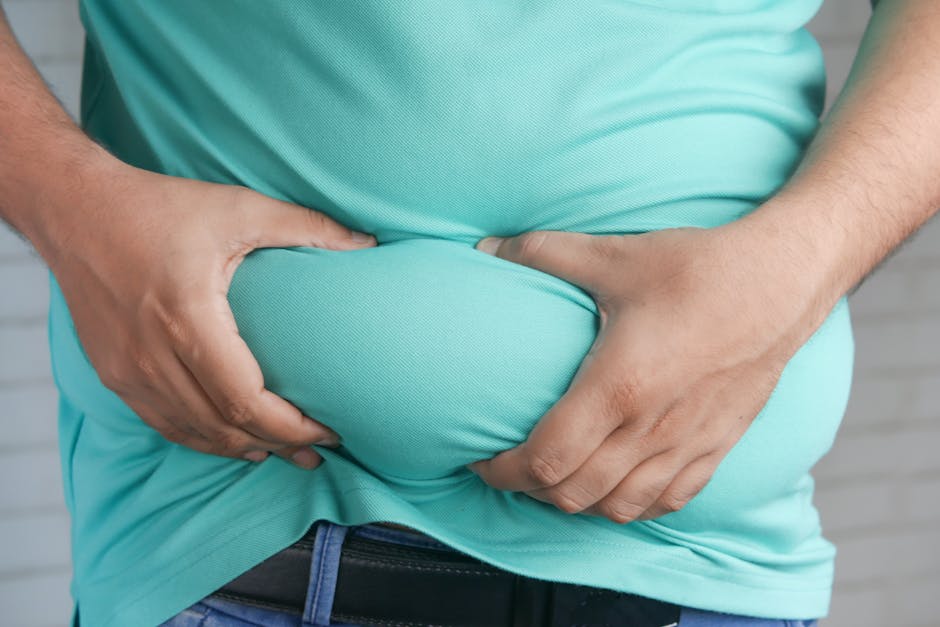
I remember looking in the mirror one day and just thinking, "Whose body is this?" Nothing I was doing — or not doing — explained the soft middle that had appeared out of nowhere.
If you're gaining stubborn belly fat in perimenopause even though your diet is the same, you're not imagining things. It's not about willpower. It’s primarily driven by hormonal changes, especially a significant drop in estrogen, which tells your body to start storing fat differently — shifting it from your hips and thighs directly to your abdomen.
So, it's really all about hormones?
Yes, for the most part, it is. Think of it less as weight gain and more as a change in hormonal fat storage and weight redistribution. For years, estrogen directed fat storage to our hips, thighs, and butt. It’s the reason for the classic "pear shape" body type. But as estrogen levels decline during the perimenopausal transition, that directive changes. Your body gets a new set of instructions to store fat in the abdominal area, specifically as visceral fat, which is the deeper fat that surrounds your organs. This can happen even if the number on the scale doesn't budge an ounce, which is maddening.
But why does it feel like my metabolism has slowed to a crawl?
That feeling is real, and it’s a common experience during this time. While the primary driver is that hormonal fat-shifting I mentioned, some evidence suggests that declining hormone levels may also reduce your body's overall metabolic efficiency. It can feel like you’re suddenly burning fewer calories, even when your eating and exercise habits haven't changed at all. And honestly? It's frustrating. If this sounds familiar, see how your metabolism changed the rules. It can make you feel like you're doing something wrong, when in reality, your body is just playing by a new set of rules.
Is this belly fat here to stay?
Not necessarily, but understanding the cause is the first step. The fact that this change is so tied to hormones is actually key. For example, some research — though a bit older — has suggested that hormone replacement therapy can help fight the accumulation of this specific type of belly fat in menopausal women. Now, that’s not a recommendation, just an illustration of how central hormones are to this entire process. It shows us that the fat gain isn't just a random part of aging; it's a direct physiological response to a changing internal environment. Knowing this helps shift the focus from "What did I do wrong?" to "Okay, what's my body going through, and how can I support it?"
What This Means for You
First, take a deep breath and let go of any blame. This is not your fault. Your body is navigating a massive hormonal shift, and the appearance of belly fat is a biological symptom of that transition, not a reflection of your choices. The old math of "calories in, calories out" doesn't tell the whole story anymore. The most powerful thing you can do right now is to stop fighting your body and start working with it. You’ll find more in the Glomend Journal. Understanding that the underlying cause is hormonal allows you to seek out support and strategies that are actually designed for this specific phase of life, like our hormone-free GloBalance supplement, instead of just trying the same old things that don't seem to work anymore.
Frequently Asked Questions
Is this perimenopause belly fat a sign that I'm unhealthy?
It's more complicated than that. The shift is toward storing more visceral fat, which is located deeper in the abdomen. While it's something to be mindful of for long-term wellness, its appearance doesn't automatically mean you're unhealthy. Think of it as your body's signal that its needs are changing.
Will I gain weight everywhere, or is it really just my belly?
Many women notice the change specifically in their middle. It's very common for your body shape to change—going from more of a "pear" to an "apple"—even if your overall weight stays exactly the same. It’s a classic case of fat redistribution, not necessarily total fat gain.
Can't I just do more crunches to get rid of it?
I wish it were that simple. Unfortunately, you can't spot-reduce fat. Because this particular belly fat is driven by internal hormonal signals, abdominal exercises alone won't resolve it. Building core strength is always a great idea for your health, but it won't override the hormonal instructions your body is getting.
Sources
- Adverse Changes in Body Composition During the Menopausal Transition (2022)
- Why am I gaining weight around my middle? (2024)
- Why am I gaining weight even though I haven’t changed my habits? (2023)
- Hormone replacement may fight belly fat, study says | CNN (2008)
- “Meno Belly” is Real: How to Get Rid of Menopause Belly (2024)
This statement has not been evaluated by the Food and Drug Administration. This product is not intended to diagnose, treat, cure, or prevent any disease.