
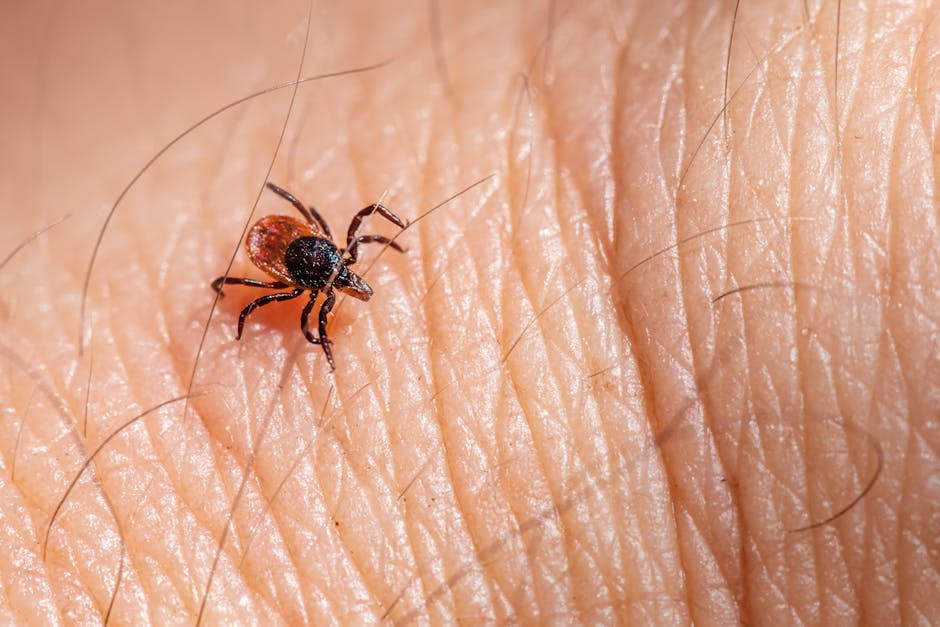
You’re lying in bed, finally ready to drift off, and then it starts. A faint, unnerving tickle on your arm. Or your leg. It feels exactly like a tiny insect is crawling on you, but when you look… there’s nothing there.
If this sounds familiar, you're not losing your mind. This crawling skin sensation is a recognized perimenopause symptom called formication. It’s a neurological response to fluctuating estrogen levels, which can cause the sensory nerves in your skin to misfire and send phantom crawling, itching, or tingling signals to your brain. It's weird, but it's real.
So, What's Actually Happening in My Skin?
Let's just get right to it. That creepy-crawly feeling has a medical name: formication. It’s a type of paresthesia, which is just a formal term for abnormal skin sensations like tingling, prickling, or numbness that happen without any real cause. Think of it like the pins-and-needles feeling when your foot falls asleep, but way more specific and a lot more unsettling.
The main driver here is estrogen decline. You might think of estrogen in terms of your period, but it plays a huge role in your skin health, too. Estrogen helps your skin produce collagen, stay thick, and retain moisture. The rest of our writing on hormones and your body is here. When your levels start to drop and fluctuate wildly during perimenopause, it can affect everything — including the tiny nerve endings in your skin.
Basically, your central nervous system gets mixed signals. These nerves, which are used to a certain hormonal environment, can become over-sensitive or just plain confused. They fire off warning signals to your brain that something is touching you, even when nothing is. It’s a glitch in the system. Not an imaginary feeling.
Why Is It So Much Worse at Night?
If you’ve noticed this sensation gets louder the moment you slow down, you're not alone. For many women, it's a distinctly nighttime problem. While the research on formication's specific timing is still emerging, we can look at other neurological sensory conditions for clues. Restless Legs Syndrome (RLS), for example, often has a strong circadian pattern, meaning it gets significantly worse in the evening and at night when the body is at rest.
It makes sense, doesn't it? During the day, you’re busy. Your brain is processing a million other things — work, family, the endless to-do list. But at night, when the world goes quiet, your body’s internal signals get the microphone. There are fewer distractions to override the phantom signals your nerves are sending. And honestly? That's when the anxiety about the feeling can creep in, which only seems to make it worse and is where a calming supplement like GloSerene may offer support.
This Is a Sensation, Not an Infestation
This part is important, so let’s be very clear. The sensation of formication can be deeply distressing. It feels real because, to your nerves, it is real. But it is crucial to understand the difference between this neurological symptom and a separate, serious psychiatric condition called delusional parasitosis, which is a fixed, false belief that you are infested with parasites.
With formication, you feel a crawl, you look, you see nothing, and you think, "What on earth was that?" It's a confusing and annoying physical sensation. You know there are no bugs. With delusional parasitosis, the belief that there are bugs is unshakable, despite all evidence. They are very different things.
Perimenopause is already a time of feeling like your body is betraying you. Adding a symptom this strange to the mix can feel incredibly isolating. But the crawling sensation is a known — if under-discussed — part of the hormonal shift. You are not making it up.
What This Means for You
Just knowing the name for this — formication — can be a huge relief. It’s validating. It means other women experience this, and it’s connected to a biological process you’re going through. It doesn't make the sensation vanish, but it can take away some of the fear and confusion surrounding it.
The most important thing you can do is talk to a doctor you trust. They can help confirm what's going on, rule out other potential causes for paresthesia (like vitamin deficiencies or thyroid issues), and discuss your options. Don't feel embarrassed to bring it up. I promise, they've heard it before.
This journey is full of bizarre symptoms we were never warned about. But the more we talk about them, the less power they have. You're not alone in this, and you're not going crazy. Your body is just navigating a massive change, and sometimes, the wiring gets a little crossed.
Frequently Asked Questions
Is the crawling skin sensation of perimenopause dangerous?
In itself, formication is not dangerous. It's a benign neurological symptom caused by hormonal shifts. However, it can be incredibly distressing and disruptive, especially to sleep, and it’s always wise to discuss any new, persistent symptom with your doctor to rule out other underlying causes.
Can stress and anxiety make formication worse?
Yes, absolutely. Stress and anxiety can heighten your central nervous system's sensitivity, which can make you more aware of or even amplify the misfiring nerve signals of formication. It can become a tough cycle — the sensation causes anxiety, and the anxiety makes the sensation feel more intense. If this sounds familiar, see how to tell hormonal anxiety from burnout.
Can formication happen on your face or scalp?
Yes, it can. While it's commonly reported on the arms, legs, and torso, formication can occur anywhere on the body. Some women experience it on their face, scalp, or even hands and feet. The location just depends on which sensory nerves are being affected by the hormonal fluctuations.
Sources
- Does Menopause Cause Itchy Skin? What is Formication? (2024)
- Managing Skin Crawling Sensations During Menopause (n.d.)
- Effect of estrogens on skin aging and the potential role of SERMs - PMC (2009)
- Update in restless legs syndrome - PMC - NIH (2016)
- ABSTRACTS FOR E-POSTERS (Case of delusional parasitosis) - PMC - NIH (2024)
This statement has not been evaluated by the Food and Drug Administration. This product is not intended to diagnose, treat, cure, or prevent any disease.