
Just when you think you’ve memorized the entire, ridiculous list of perimenopause symptoms, a new one can show up completely unannounced. And this one is just… weird.
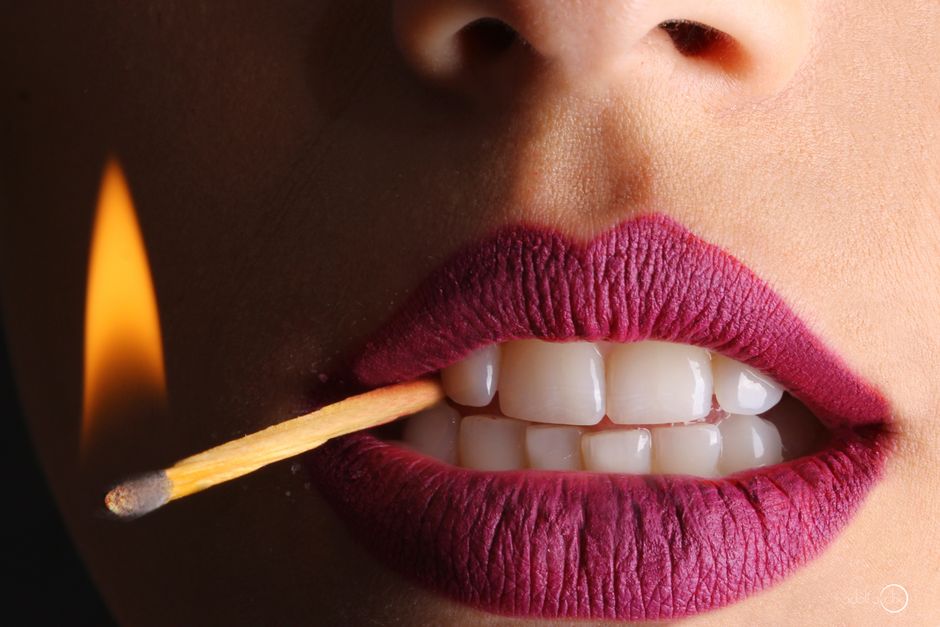
If your mouth suddenly feels like you’ve scalded it on hot coffee — but you haven’t — you’re not imagining things. Research suggests a potential link between what’s known as burning mouth syndrome and perimenopause. The theory is that declining estrogen levels may affect the sensitive nerve endings and salivary glands in your mouth, leading to this confusing and uncomfortable sensation.
So, Is It Really Hormones?
It sounds strange, but this connection is a key area of research. Burning Mouth Syndrome (BMS) is significantly more common in menopausal and postmenopausal women, which points researchers toward a hormonal component. When you think about it, estrogen has a hand in almost everything, so it’s not a huge leap to consider it plays a role in our oral health, too.
As estrogen levels fluctuate and fall, it can impact the nervous system and may even alter how our brains perceive pain. The tiny nerves in your tongue, lips, and gums might be getting scrambled signals. Some studies suggest that these hormonal shifts could be a contributing factor to the kind of neuropathic pain that shows up as burning, tingling, or numbness — the classic calling cards of BMS. It's one of the most frustrating feelings because you look in the mirror and your mouth appears perfectly normal. Yet it feels like it’s on fire.
Why Does Everything Feel So Dry, Too?
If you're also dealing with a mouth that feels as dry as a cotton ball, that’s another piece of the puzzle. Widespread hormonal changes are often associated with changes in our mouths, including chronic dry mouth (the technical term is xerostomia). Saliva is your mouth’s natural defense system — it keeps tissues comfortable and healthy. When your salivary glands aren't producing enough of it, things can get irritated quickly.
This dryness doesn't necessarily *cause* the burning, but it can absolutely make the sensation feel worse. It’s a bit of a cycle. Less estrogen may contribute to less saliva, and less saliva can lead to more irritation and a more intense burning feeling. It's another one of those perimenopause symptoms where one thing just piles right on top of another. More like this in the Glomend Journal. And honestly? It’s exhausting.
What Else Could Be Going On?
This is the most important part, so please read it twice. While the connection to perimenopause is being seriously investigated, the precise cause-and-effect of BMS is still considered “elusive” and “enigmatic” by scientists. That means you cannot just assume it's hormonal and ignore it.
BMS is often a “diagnosis of exclusion.” That’s a medical term that means your doctor has to rule everything else out first. Other conditions — like nutritional deficiencies (B vitamins, iron, zinc), oral thrush, allergies, acid reflux, or even side effects from medications — can also cause a burning sensation in the mouth. You have to get checked out. It's not something to self-diagnose on the internet, and that includes here.
What This Means for You
First, know that you’re not making this up. It’s a real, documented condition. The feeling is real, and the frustration is definitely real, which is why managing the emotional toll with a calming blend like GloSerene can be so helpful.
Make an appointment with your dentist or your primary care doctor. They’re the starting point for figuring this out. We write more about daily habits here. They can help investigate other potential causes and rule them out one by one. It can be a slow process, but getting a proper diagnosis is the only way forward. Don't just suffer through it thinking it's "just another symptom," even if a daily routine with GloBalance helps support your overall hormonal journey. You deserve answers and a plan.
Frequently Asked Questions
Why might burning mouth syndrome feel worse during perimenopause?
Researchers are exploring the link to estrogen decline. Estrogen helps regulate nerve function and moisture levels in the body, so when it fluctuates, it may affect pain receptors and salivary glands in the mouth, potentially intensifying the burning or tingling sensation for some women.
Can I just assume my burning tongue is a perimenopause symptom?
No, you really shouldn't. While there's an association, BMS can be caused by many other things, like nutritional deficiencies, allergies, or other medical conditions. It’s what doctors call a diagnosis of exclusion, meaning they have to rule out other causes first. Always see a professional.
What kind of doctor should I see for a burning mouth sensation?
A great place to start is with your dentist or your primary care physician (GP). They can perform an initial oral exam and help rule out common dental or medical causes. From there, they might refer you to a specialist if needed to help manage the symptoms.
Sources
- Menopause and Oral Health: Clinical Implications and Preventive ... (2024)
- Burning mouth is an uncomfortable sensation that can affect your ... (2023)
- Hot Flashes: How to Get Relief Before, During, and After Menopause (2024)
- Burning Mouth Syndrome and Menopause - PMC - NIH (2012)
- Burning mouth syndrome - PMC (2011)
- Burning mouth syndrome at menopause: Elusive etiology - PMC (2012)
- Dealing With Burning Mouth Syndrome (BMS) During Menopause | Winona (2025)
- Menopause Signs: Burning Mouth Syndrome (BMS) | MenoMe® (2025)
"This statement has not been evaluated by the Food and Drug Administration. This product is not intended to diagnose, treat, cure, or prevent any disease"