
I used to lug around one of those giant, time-stamped water bottles like it was my job. And yet, every afternoon, I’d still hit a wall of exhaustion and brain fog so thick I could barely remember my own name.
This isn't another guide about drinking more water. It’s about drinking it smarter. We're going to walk through a simple, step-by-step plan for strategic hydration for energy, a method that helps your body actually use the water you drink to support more consistent energy and clearer thinking throughout your day.
Step-by-Step: Your Daily Hydration Blueprint
- First Thing: The Saltwater "Ignition" (Before Coffee) — As soon as you wake up, before anything else, drink 16 ounces of water with a pinch of good-quality sea salt or a scoop of unflavored electrolytes like GloBalance. After sleeping, you're dehydrated. But plain water can sometimes run right through you. Electrolytes, especially sodium, are critical for helping your body actually absorb and retain that water where it's needed—in your cells. Think of it as waking up your whole system. The coffee can wait.
- Before Meals: The 30-Minute Rule — About 30 minutes before lunch and dinner, drink a full glass of water. This is such a simple shift, but it helps. For one, it makes sure you’re not mistaking thirst for hunger. And some studies suggest that this little habit can help reduce feelings of hunger and lower how much you eat during the meal, which may support weight management goals. And honestly, any help in that department is welcome right now.
- The 3 PM Save: Your Anti-Slump Sip — You know the moment. The fog rolls in, your energy bottoms out, and all you want is a nap or another coffee. This is your cue. Instead of caffeine, which can mess with your already-fragile sleep, have a glass of water with electrolytes. Your brain is about 80% water, and maintaining fluid levels is important for supporting mental clarity. This is a targeted boost right when you need it.
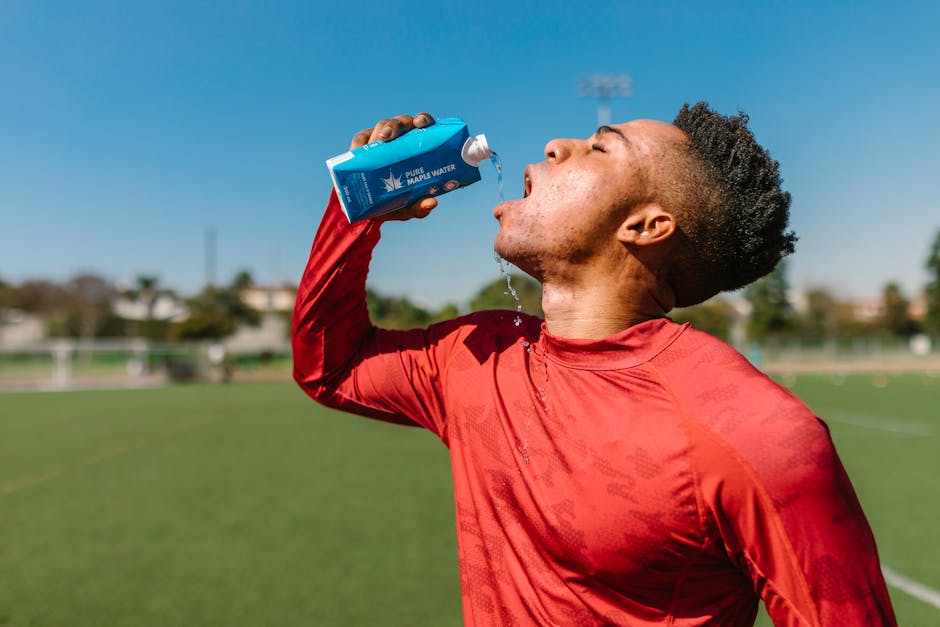
- Before You Move: Prime Your Engine — This isn't just for marathon runners. Whether you’re heading to the gym or just taking the dog for a brisk walk, sip some water before you start. Even mild dehydration can make physical activity feel much harder and impact your body's ability to cope with the stress of it all. Don’t wait until you’re thirsty. Give your muscles a head start.
- After Dinner: The Gentle Taper — Let's be real. Night sweats are bad enough without adding five extra bathroom trips to the mix. A couple of hours before you plan to go to sleep, stop chugging water. Switch to small sips only if you feel thirsty. The goal is to stay hydrated without overloading your system right before bed, so you can protect your sleep as much as possible.
How Can I Make Strategic Hydration a Long-Term Habit?
Look, this is a template, not a prison. You have to listen to your body. If you’ve just had a super sweaty workout or it’s a hot day, you’re going to need more fluid and electrolytes. If you're sitting in an air-conditioned office all day, you might need less. This isn’t about hitting a magic number; it’s about creating a rhythm that works for you.
And you don't have to rely solely on powders. You can eat your electrolytes, too. Think bananas, avocados, spinach, and sweet potatoes. More on daily habits in the Journal. The point is to be intentional. Instead of mindlessly sipping all day and still feeling depleted, you’re giving your body what it needs, when it needs it. It takes a little getting used to, but after a week or so, you might be surprised by how much better you feel.
Frequently Asked Questions
If I drink so much water, why do I still feel dehydrated and tired?
This was my biggest question, too. It’s often because the water is missing electrolytes, particularly sodium. Water needs a "buddy" to get from your bloodstream into your cells. Without enough electrolytes, you can end up just flushing the water—and other important minerals—right out.
I thought brain fog was just hormones. How can strategic hydration help?
Hormone fluctuations are definitely a huge factor in perimenopausal brain fog. We look at how cortisol clouds your thinking separately. But dehydration makes it so much worse. Since your brain is mostly water, giving it a steady supply of fluid and electrolytes can help support the cognitive processes that contribute to mental clarity. It doesn't fix the hormone part, but it can help take the edge off.
What’s the difference between this and just drinking when I'm thirsty?
The thirst signal isn't always reliable, especially when you're busy or as you get older. Research on athletes suggests a personalized hydration strategy—one that anticipates your needs throughout the day—may be more effective for maintaining fluid balance and supporting performance than just waiting until you feel thirsty.
Sources
- Personalized Hydration Strategy to Improve Fluid Balance and Intermittent Exercise Performance in the Heat in Dehydrated Team-Sport Athletes. (2024)
- Efficacy of water preloading before main meals as a strategy for weight loss in obese older adults: a randomized controlled trial. (2015)
- Nutrition and Altitude: Strategies to Enhance Adaptation, Improve Performance and Maintain Health: A Narrative Review. (2019)
- Hydration to Maximize Performance and Recovery: Knowledge, Attitudes, and Behaviors of Collegiate Track and Field Throwers. (2021)
- Why Hydration Is So Important in Menopause. (2024)
- Brain Fog During Perimenopause/Menopause: Understanding and Coping. (2023)
This statement has not been evaluated by the Food and Drug Administration. This product is not intended to diagnose, treat, cure, or prevent any disease.