
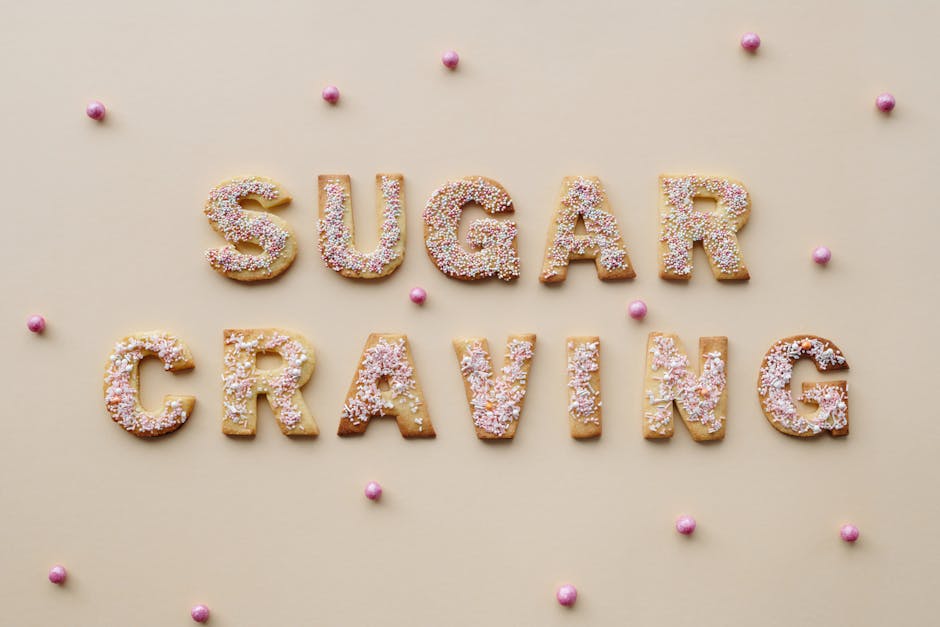
You know the feeling. It's 3 p.m., you had a perfectly reasonable lunch, and yet a fog has just rolled into your brain so thick you can't see the end of your own to-do list. And the only thing that can fix it? Sugar.
This isn’t about a lack of willpower. It's biology. During perimenopause, your hormones—especially estrogen and cortisol—are on a chaotic rollercoaster. This hormonal flux can mess with your body's ability to manage blood sugar, leading to intense perimenopause sugar cravings and the crushing energy crashes that follow.
So, What Is Actually Happening With My Hormones?
For years, I just thought I was getting lazy in the afternoon. Tired. Undisciplined. But the truth is, my body was navigating a huge hormonal shift. Estrogen, the hormone we know for managing our cycles, also has a massive job in helping our cells use sugar for energy. It helps keep our cells sensitive to insulin. And here's what no one really tells you about perimenopause: estrogen doesn't just slowly and gracefully decline. It spikes and crashes, sometimes day by day. It's erratic. Think of it less like a gentle sunset and more like a strobe light.
This chaos is why everything can feel so unpredictable—your mood, your energy, and definitely your appetite. Those cravings you might have recognized from PMS? Research suggests they can become much more intense as you transition into perimenopause. It’s the same biological driver, just amplified by a much wilder hormonal ride. There’s more on why your body odor changed here. Your body is trying to find stability in the middle of a storm.
Why Does This Feel Like a Blood Sugar Problem?
Because it is. That post-sugar high followed by a deep, can’t-keep-your-eyes-open slump is a direct result of something called insulin resistance. Let's break that down. Insulin is like a key. Its job is to unlock your cells to let glucose (sugar from your food) inside to be used for energy. But during perimenopause, the hormonal fluctuations can make your cells less responsive to that key. It's like the locks get a little rusty. This is the beginning of insulin resistance.
When your cells are "resisting" insulin, your pancreas has to work overtime, pumping out more and more insulin to try and force those doors open. Two things happen here. First, even with all that sugar in your bloodstream, your cells aren't getting the fuel they need, which is why you feel that profound exhaustion deep in your bones. Second, your brain gets the message that the cells are starving. Its response? Send out a powerful, urgent signal for the quickest possible source of energy it knows: sugar. It creates a brutal feedback loop—you're tired, you crave sugar, you eat sugar, you crash, and you're even more tired. Worth reading next: what a blood sugar dip does to your mood. And honestly? It’s exhausting.
Is This Also Affecting My Metabolism?
It's very likely. The same hormonal shifts that drive blood sugar issues can also influence your metabolism and how your body manages weight. Estrogen, for instance, plays a role in stimulating what’s known as brown adipose tissue, or BAT. This is often called "good fat" because it's metabolically active and actually helps burn calories to produce heat.
When estrogen levels are all over the place, this calorie-burning process may become less efficient. Add in the blood sugar rollercoaster and potential increases in the stress hormone cortisol (which our GloSerene is formulated to help manage), and it can feel like your body's entire operating system has been rewired. It's not just about what you're eating; it's about how your body is chemically processing the energy you give it. This is a big piece of the wellness puzzle that often gets overlooked.
What This Means for You
First, and I really need you to hear this: this is not your fault. You are not failing. Your body is navigating an incredible biological transition, and what you're feeling is real. It's chemical. It's hormonal. Removing the self-blame is the most important first step.
Understanding the "why" behind the cravings and crashes is powerful. It shifts the conversation from one of shame ("Why can't I control myself?") to one of curiosity and compassion ("My body is struggling with blood sugar right now, what can I do to support it?"). This isn't about finding a magic fix. It’s about learning to work with your body, not against it, by supporting its quest for metabolic balance during a time of immense change.
Frequently Asked Questions
Why are my perimenopause sugar cravings so much worse in the afternoon?
It’s often a perfect storm. Your body's natural cortisol levels tend to dip in the afternoon, causing a natural drop in energy. Combine that with the blood sugar instability from hormonal shifts, and you have a recipe for an intense craving for quick energy, which your brain reads as sugar.
Is it possible to stop perimenopause sugar cravings completely?
Honestly, aiming for "completely" can set you up for frustration. These cravings are a biological signal, not a character flaw. The goal isn't to eliminate them through sheer willpower, but to help stabilize the blood sugar swings that make them so intense in the first place.
Does insulin resistance during perimenopause mean I have diabetes?
Not necessarily. Insulin resistance is a spectrum. Many women experience a temporary or mild increase in insulin resistance during perimenopause due to hormonal changes. It's a risk factor, which makes this a really good time to talk to your doctor about your overall metabolic health and blood sugar regulation.
Sources
- The Importance of Nutrition in Menopause and Perimenopause-A Narrative Review (2023)
- Perimenopause Sugar Cravings: Causes & Ways to Manage Them (2023)
- Menopause Cravings: Hormones & Appetite (Unknown)
- Perimenopause and Sugar: Managing Symptoms and Blood Sugar Levels (2024)
- Weight Gain in Perimenopause Over 35: Why Your Body Is Changing (2022)
This statement has not been evaluated by the Food and Drug Administration. This product is not intended to diagnose, treat, cure, or prevent any disease.