
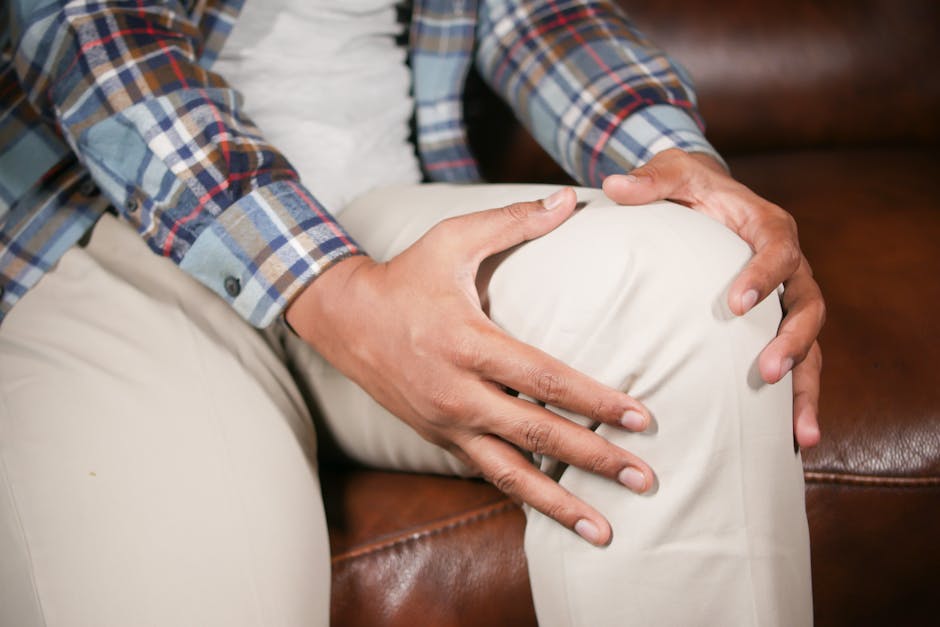
For years, I'd wake up and my first thought wasn't about coffee. It was, "Why do my hands feel like they belong to a 90-year-old?" The stiffness was real, and frankly, it was unnerving.
The perimenopause joint pain you're feeling in the morning is very real, and it’s largely tied to declining estrogen. Estrogen helps manage inflammation and supports collagen production for joint cushioning. As it drops, you can experience more stiffness and discomfort, especially after a long period of stillness like sleep.
So, Is It Perimenopause or Am I Just Getting Old?
I get it. It’s so easy to write off every new ache as just another birthday. But this feels different, doesn't it? If you've noticed a sudden increase in creaky, stiff joints—especially in the morning—you're not alone, and it's probably not just "age." Musculoskeletal pain is actually one of the most common and severe complaints among women during this transition. It's not in your head. The data shows a clear spike in joint pain, or arthralgia, right around the time our hormones start to shift.
Why Is Estrogen So Important for My Joints?
I used to think estrogen was only about periods and baby-making. Turns out, it's doing a million other jobs behind the scenes, and joint health is a big one. Think of it in two main ways.
First, estrogen is a natural anti-inflammatory. It helps keep things calm and balanced in your tissues. As those estrogen levels start to fluctuate and fall, that protective effect weakens. This can lead to a low-grade inflammation that makes your joints feel tender and swollen. When you're still for hours overnight, that inflammation can settle in, which is why mornings can be so rough.
Second—and this was the real eye-opener for me—estrogen plays a huge role in telling your body to make collagen. Here’s what estrogen does for collagen, skin and joints, in more detail. Collagen isn't just for skin; it's the primary building block of the cartilage that cushions your joints. Less estrogen means a weaker signal to produce collagen. Over time, that can mean less shock absorption in your knees, hips, and hands. It’s like the padding is getting a little thinner.
Okay, What Actually Helps with the Morning Stiffness?
Knowing the "why" helps, but you want to know what to do. I'm not a doctor, and you should always talk to one to rule out other things like arthritis. But here are a few simple shifts that made a real difference for me.
Start moving before you even get out of bed. Seriously. Gentle ankle circles, wrist rotations, pointing and flexing your feet. It gets the fluid moving in the joints before you put any weight on them. Then, hydration. A big glass of water first thing. Your cartilage is mostly water, and even slight dehydration can make stiffness feel so much worse.
And then there's food. More on daily habits in the Journal. Some women explore foods rich in phytoestrogens—plant-derived compounds that have a similar structure to our own estrogen. Think soy, flaxseeds, and chickpeas. The research here has mainly focused on their potential to help with hot flashes, but it’s an area of growing interest for overall wellness during perimenopause. It’s not a magic bullet, but focusing on whole, anti-inflammatory foods certainly doesn't hurt.
What This Means for You
The most important thing to take away from all this? You're not imagining it. The aches are real, they are tied to very real hormonal changes, and millions of other women are feeling the exact same way. This isn't about resigning yourself to feeling stiff and old. It's about understanding what's happening in your body so you can start giving it what it needs.
Be kind to yourself. Some days will be better than others. The goal isn't to feel 25 again; it's to feel strong and capable in the body you have right now. Start with small, gentle changes. And please, talk to a good doctor who gets it. Having someone in your corner who can help you navigate all your options—from lifestyle shifts to things like HRT—is everything.
Frequently Asked Questions
Why is perimenopause joint pain the worst in the morning?
It's likely a combination of factors. Overnight, inflammatory fluids can pool in the joints, and the lack of movement makes everything feel stiff. When you add in the fact that your cartilage might have less cushioning due to lower estrogen-driven collagen, that morning "creakiness" becomes much more noticeable.
Which joints are most affected by perimenopause aches?
While it can happen anywhere, many women report aches and stiffness in their hands, wrists, knees, shoulders, and hips. Sometimes it's a dull, persistent ache, and for others, it’s a sharper pain. It can also feel symmetrical, meaning you feel it in both knees or both hands, for example.
Can supplements help with morning joint pain in perimenopause?
Some women find that specific ingredients known to support a healthy inflammatory response or provide building blocks for joint health can be a helpful piece of their wellness routine. Of course, not all supplements are created equal. It's always best to look for well-researched ingredients and talk with your healthcare provider before starting anything new.
Sources
- 5 ways to ease perimenopause joint pain (2024)
- Joint Pain in Perimenopause and Menopause (2025)
- What causes menopause joint pain and what to do about it (2025)
- Musculoskeletal Pain during the Menopausal Transition: A Systematic Review (2020)
- Musculoskeletal pain and menopause (2018)
- Phytoestrogens for menopausal vasomotor symptoms (2023)
- Perimenopause symptoms, severity, and healthcare seeking in women in the US (2025)
- Effect of Eurycoma longifolia water extract (Physta®) on menopausal ... (2024)
- Soy germ extract alleviates menopausal hot flushes (2018)
This statement has not been evaluated by the Food and Drug Administration. This product is not intended to diagnose, treat, cure, or prevent any disease.