
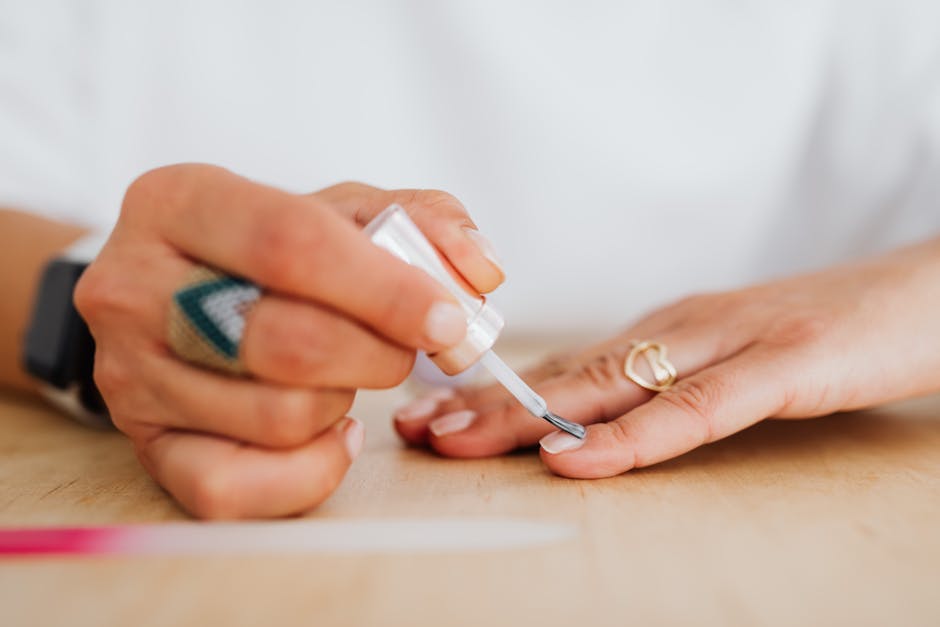
I used to have strong nails. Not perfect, but they could handle opening a can of seltzer without splitting down the middle. Then, somewhere around 42, they just… gave up. They started peeling in thin, papery layers. It felt like one more small, frustrating sign that my body was operating on a new set of rules I hadn’t been given.
If you're experiencing perimenopause brittle nails—suddenly weak, peeling, or breaking for no apparent reason—the hormonal chaos of this transition could be a key factor. Fluctuating estrogen levels can create a systemic drying effect and may even alter the structural integrity of the nail itself, leading to the frustrating brittleness you’re noticing.
Okay, But How Do Hormones Wreck My Manicure?
It starts with estrogen, or rather, the lack of it. During perimenopause, your hormone levels don't decline in a nice, neat line—they swing wildly. This is the root of so many symptoms, from night sweats to brain fog. One of estrogen's many jobs is to help your body retain water and maintain hydration in your tissues. As its levels fluctuate and trend downward, you might notice a widespread drying effect. Your skin feels thirstier, your hair gets more brittle, and yes, your nails do, too. They are, after all, a form of skin. This lack of internal moisture makes them less flexible and far more prone to splitting and cracking from everyday tasks. It’s not just in your head; your body is fundamentally getting drier from the inside out.
Is It Just Dryness, or Is Something Else Going On?
It’s more than just being thirsty. The structure of the nail itself seems to change. Your nails are made of layers of a protein called keratin, and hormonal health plays a role in how that protein is produced and organized. While the exact mechanism is still being studied, research suggests that the changes during the menopausal transition can affect the very composition of the nail plate. For instance, one potential link is a decrease in cholesterol levels within the nail itself, which could contribute to fragility. This is why you might see more than just simple breakage. You could see peeling, prominent ridges, or even nails that seem to thicken in a strange way. It’s a structural issue, not just a surface one. And that feeling of ‘this isn’t my body anymore’? It stems from the very same hormonal shifts that are making your nails act so differently. It’s all connected.
Could Something Else Be Causing My Brittle Nails?
This is important. While perimenopause is a very likely culprit for new-onset brittle nails in your 40s, it's not the only one. It's easy to attribute every weird new symptom to hormones, but your body is complex. Other conditions can also cause weak, peeling nails. Things like an underactive thyroid, More on the signs your magnesium is running low. iron deficiency (anemia), or a lack of certain B vitamins can all show up in your nail health first. Even external factors can be the problem—frequent hand washing, overusing harsh hand sanitizers, or exposure to cleaning chemicals without gloves. So, what’s the takeaway? Don't self-diagnose based on your fingernails alone. It’s always, always a good idea to bring it up with your doctor. They can run simple blood tests to rule out other causes and help you see the full picture of your health.
So, What Can I Do About Brittle Nails in Perimenopause?
First, know that you’re not imagining it. This is a real, physical change, and it's a clue from your body. Seeing these changes can be unsettling, but understanding the 'why' is grounding. It puts you back in the driver’s seat. While you can't stop the hormonal shifts, you can We write more about daily habits here. support your body through them. Start with kindness. This isn't the time for harsh acrylics or peeling off gel polish. Think gentle. Keep your nails shorter to minimize opportunities for snagging and breaking. Moisturize your hands and cuticles constantly—keep a good, thick cream by your sink and on your nightstand. Wear gloves when you’re doing dishes or gardening. These small, consistent acts of care can make a noticeable difference. It’s not about fixing a flaw; it's about supporting your body while it does the hard work of transitioning.
Frequently Asked Questions
Can perimenopause cause vertical ridges on my nails, too?
Yes, it's possible. While ridges can be a normal part of aging for some, the same hormonal shifts and dehydration that cause brittleness can also affect how the nail grows from the matrix (the root), potentially leading to more pronounced vertical ridges.
Will my nails go back to normal after perimenopause is over?
It's different for everyone. For some women, nail strength and texture improve post-menopause as their bodies adjust to a new hormonal baseline. For others, the changes may be more permanent. Focusing on good nail care and overall nutrition is the best way to support them long-term.
Is there a specific vitamin I should take for perimenopause brittle nails?
Brittle nails can be linked to deficiencies in biotin, iron, and other B vitamins, but it's not a given. Before you start taking new supplements, it's best to talk to your doctor. They can test for specific deficiencies and ensure there isn't another underlying cause.
Sources
This statement has not been evaluated by the Food and Drug Administration. This product is not intended to diagnose, treat, cure, or prevent any disease.