
You know that feeling. You wake up, and before your eyes are even fully open, you can tell. Your face feels full, your fingers are tight, and your joints feel… creaky. For years, I just wrote it off as a bad night’s sleep or too much salt at dinner.
But there’s often a real biological reason for this, especially in our 40s. The chaotic hormonal fluctuations of perimenopause can affect your lymphatic system—your body's internal drainage network. When it gets sluggish, fluid can build up overnight, leaving you feeling puffy, stiff, and just plain exhausted before your day has even started.
What exactly is the lymphatic system, anyway?
I get it. Before all this, the only time I’d heard the words “lymph nodes” was when I had a bad cold. But the system is so much more than that. Think of it as your body's internal plumbing and sanitation crew combined. Its main job is to keep fluid levels balanced in your tissues and to haul away waste products.
When everything is flowing smoothly, you don’t even notice it. But when it gets backed up—like a slow drain in the sink—that fluid and cellular gunk can get stuck. And the result is that feeling of puffiness, swelling, and heaviness. It's not in your head. Your body is literally holding onto extra fluid.
How does perimenopause throw a wrench in the works?
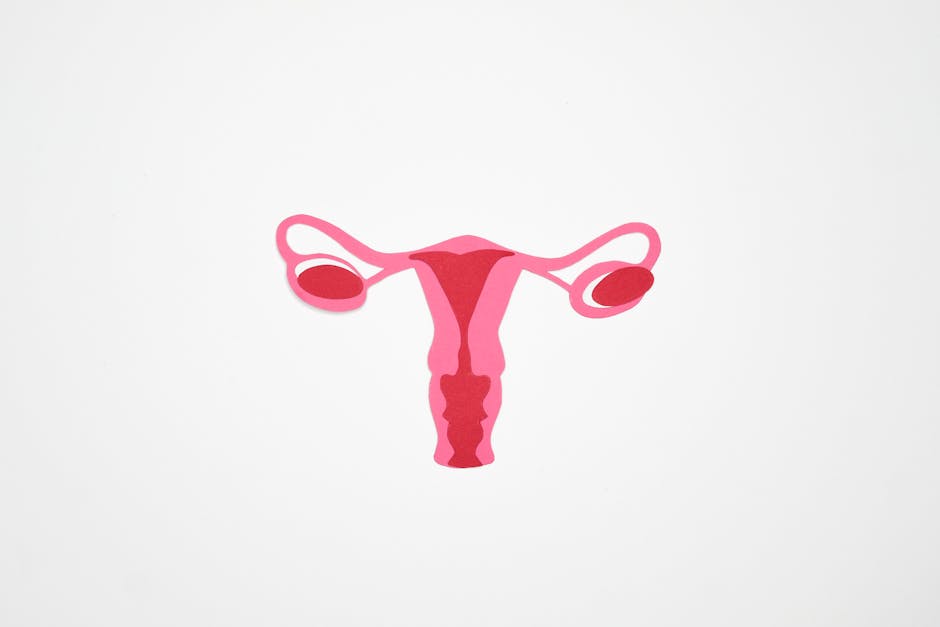
This was the lightbulb moment for me. Perimenopause isn’t a gentle, predictable slope; it's a series of dramatic hormonal ups and downs. And it turns out that estrogen, the very hormone at the center of all this chaos, plays a pretty big role in how well our lymphatic system works.
Scientific evidence suggests that estrogen can directly influence, or modulate, lymphatic drainage. So when your estrogen levels are surging one week and crashing the next, it makes sense that your body's ability to manage fluid can get thrown off. These hormonal fluctuations are thought to be a key contributor to that morning puffiness and a general feeling of inflammation. It’s not the only reason, of course—hydration and diet matter too We look at why timing your water matters more than volume separately.—but it’s a huge piece of the puzzle that no one ever mentioned to me.
So is that puffiness connected to feeling tired and achy?
This is where it all started to make sense. That extra fluid doesn't just stay in your face. It can settle in the tissues around your joints, which can contribute to that stiff, achy feeling when you first get out of bed. It’s like everything is just a little more swollen, a little less flexible.
And honestly? That's exhausting. When your body's cleanup crew is running slow, it can make you feel sluggish and heavy from the inside out. You’re not just imagining the fatigue; your system is physically working harder to manage everything. It’s a full-body experience.
What This Means for You
Okay, so what do we do with this information? First, just knowing there's a physiological reason for feeling this way can be a huge relief. You're not making it up. Your body is navigating a massive transition.
The common advice is often about gentle movement—things like walking, yoga, or simple stretching. These things help support circulation, which is a friend to your lymphatic system. And while we’re talking about wellness support, some interesting research has found that even a single session of lymphatic massage Here’s that feeling of having lost yourself, in more detail. was able to significantly reduce levels of the stress hormone cortisol. It’s not about "unclogging" anything, but about gentle, supportive practices that help your body do its job during a really demanding time. Be patient with yourself. This is a marathon, not a sprint.
Frequently Asked Questions
Can perimenopause hormones be the only reason for morning puffiness?
Probably not. While hormonal fluctuations can be a major new factor in hormonal puffiness in the morning, things like a high-salt dinner, dehydration, allergies, or even your sleeping position can play a part. It's usually a mix of things, but for many of us, hormones are the frustrating new ingredient in that mix.
Does having a sluggish perimenopause lymphatic system mean something is medically wrong?
Not necessarily. Think of it less like a "broken" system and more like a temporarily overwhelmed one. Our bodies are dealing with huge internal shifts during this time, and some systems just need a little more support to keep up. It's a sign to pay closer attention, not a reason to panic.
Why do the puffiness and stiffness seem worse right when I wake up?
When you're lying flat for hours, the natural process of lymphatic drainage during sleep can slow down, allowing fluid to settle and pool in your tissues, especially in your face and hands. Once you get up and start moving, your circulation and lymphatic system get a gentle nudge to start draining that excess fluid again, which is why it can sometimes ease up a bit as the day goes on.
Sources
- The Impact of Estrogen Receptor in Arterial and Lymphatic Vascular Diseases (2020)
- Perimenopause (2022)
- Feeling Puffy, Swollen, or Sluggish? It Might Be Your Lymphatic System (N/A)
- Menopause and the Connection to the Lymph System (2024)
- Why Women Over 25 Wake Up Puffy - Hidden Cause & Natural Fix (N/A)
- Why Is My Face Puffy in the Morning? Causes and Expert Fixes (N/A)
- Menopause and Lymphatic System: Why Movement & ... (2024)
This statement has not been evaluated by the Food and Drug Administration. This product is not intended to diagnose, treat, cure, or prevent any disease.