
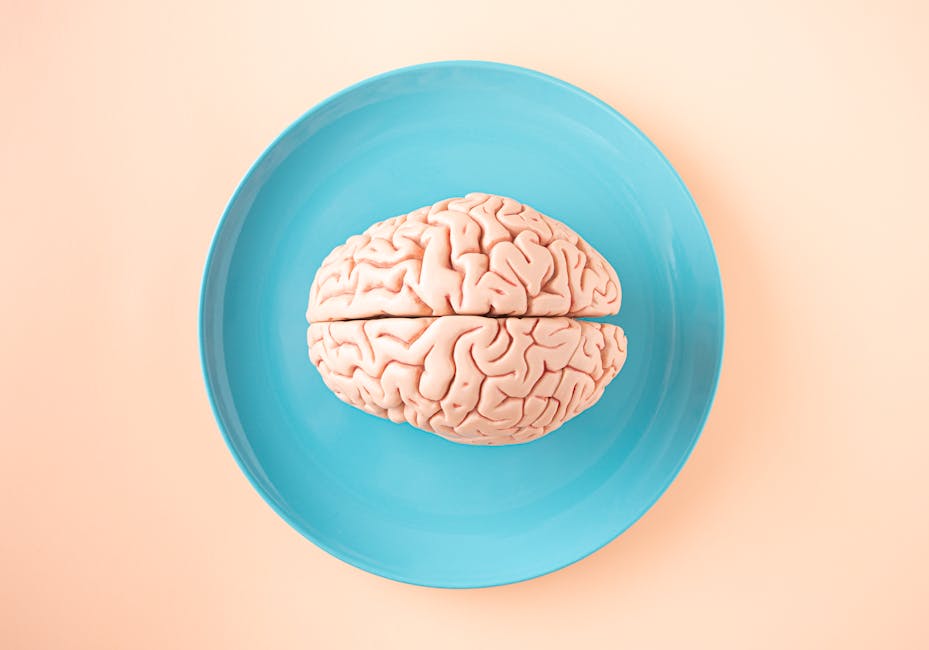
For years, I couldn't put my finger on it. Some days my brain felt like an old dial-up modem, stuck buffering on a single word. Other days it was a browser with 50 tabs open, music blasting from one I couldn't find. "Brain fog" is the label, but it never felt specific enough, did it?
This isn't just another article telling you to get more sleep. We're going to unpack the two distinct types of perimenopause brain fog — the slow, sluggish kind and the scattered, overwhelmed kind. Figuring out which one you're dealing with is the key to choosing support that might actually work for you.
The 'Slow Computer': When Your Brain Feels Sluggish
This is the fog that makes you feel like you're moving through mental molasses. You walk into a room and forget why. You grasp for a word — a simple word, like "stapler" — and it's just... gone. It's not just about memory; research shows it can be a drag on your ability to plan, focus, and just think clearly. And honestly? It's depleting.
So what’s going on here? This feeling is often tied to a dip in brain energy. Our brains are incredibly demanding, and the fluctuating estrogen of perimenopause can mess with how our neurons get and use fuel. Think of estrogen as part of the brain's power grid. When the supply gets unpredictable, you can experience the mental equivalent of a brownout. This energy disruption can be compounded by metabolic shifts, like developing brain fog insulin resistance, where brain cells struggle to get the glucose they need. It's a deep, biological slowness. Not your fault. Not a character flaw. It’s your brain working hard to support its demanding workload with an unpredictable energy supply.
Recent studies also suggest that how our bodies manage micronutrients, like iron, can play a real role in cognitive performance and brain energy during this time. You’ll find more in the Glomend Journal. So, if your brain fog feels like a slow processor, focusing on foundational support for brain energy metabolism makes sense.
'Too Many Tabs Open': The Scattered, Overwhelmed Brain
Then there's the other kind. The feeling that your brain is a chaotic mess of open browser tabs. You can't focus on one task because ten others are screaming for attention. This feeling of being wired but tired, often driven by stress hormones like cortisol and concentration issues, can make you feel anxious and completely overwhelmed by a simple to-do list. Your thoughts race, but you can't seem to grab ahold of any one of them for long enough to see it through. Sound familiar?
This experience is often a sign of a nervous system stuck in overdrive. Perimenopause isn't just a hormonal event; it's a recalibration of your entire regulatory system. Menopause-related symptoms like hot flashes and poor sleep aren't just annoyances — they're physical signs of nervous system dysregulation that can directly impact your cognitive function. When you're not sleeping properly because you're waking up drenched night after night, your brain literally doesn't have the time to clean house and reset. Here’s why eight hours still leaves you exhausted, in more detail. The result is that scattered, jumpy, on-edge feeling that makes deep, focused work feel impossible. If this is you, looking for support for your nervous system might be the more direct path.
So, Which Supplement Strategy is Right for *Your* Brain Fog?
Before we go on, a really important note: brain fog can be a symptom of many things. It’s always a good idea to talk with a doctor you trust to rule out other underlying conditions and get a proper diagnosis. Lifestyle factors, like how much we move our bodies, also have a big influence on our cognitive health at midlife.
But when you're ready to think about supplements, understanding your personal flavor of brain fog helps you choose wisely.
- If you have a 'Slow Computer' brain: Your focus might be on ingredients that support brain energy metabolism. You're looking for foundational wellness support that helps your brain manage its daily cognitive tasks. This is about providing the building blocks for mental clarity.
- If you have a 'Too Many Tabs Open' brain: Your goal might be to support a calm and balanced nervous system. You're looking for ingredients that can help you unwind, manage feelings of stress, and support the restful sleep your brain needs to function well.
It's not about finding a magic "fix." It’s about giving your body intelligent support where it needs it most during this transition.
Frequently Asked Questions
What's the difference between 'slow computer' and 'too many tabs open' brain fog?
'Slow computer' brain fog feels like mental sluggishness — trouble finding words or remembering why you entered a room. It's often linked to brain energy. 'Too many tabs open' feels more like being scattered and overwhelmed, which is often tied to an overstimulated nervous system and poor sleep.
Can I have both types of perimenopause brain fog at the same time?
Absolutely. Many women experience a mix of both. Some days you might feel sluggish, and other days you might feel scattered and anxious. It's about noticing which one is more dominant for you right now to help guide your choices.
If my 'too many tabs' feeling is from poor sleep, what should I focus on?
If poor sleep is the main driver, focusing on nervous system support and a healthy sleep routine can be a great place to start. Supporting your body's ability to wind down at night can have a powerful ripple effect on your mental clarity the next day.
Ready to Choose?
If your brain fog feels more like a 'slow computer' and you want to focus on foundational wellness, explore GloBalance. If the 'too many tabs' feeling is your reality, and you're seeking support for calm and rest, take a look at GloSerene and GloRest.
Sources
- BRAIN HEALTH EXPERT: Change Your Brain, Change... - YouTube (2022)
- get rid of brain fog – SureokGo (2024)
- How Lyme Disease Triggers Cognitive Fog and... - Lyme Mexico Clinic (2024)
- Menopause and brain fog: how to counsel and treat midlife women - PubMed (2024)
- Brain fog in menopause: a health-care professional's guide for decision-making and counseling on cognition - PubMed (2022)
- Evaluation of the Everyday Memory Questionnaire-Revised in a menopausal population: understanding the brain fog during menopause - PubMed (2023)
- What is perimenopause brain fog and how is it treated? - YouTube (2023)
- Perimenopause Brain Fog — Why & What Helps | Wellls (2024)
- Perimenopausal Brain Fog: A Frequent... | Patient Care Online (2022)
"This statement has not been evaluated by the Food and Drug Administration. This product is not intended to diagnose, treat, cure, or prevent any disease"