
Some days it feels like my brain is wading through mud. I walk into a room and forget why I’m there, I lose my train of thought mid-sentence, and my mood can tank for no reason at all. Sound familiar?
It’s not just you. There’s a potential link between the hormonal shifts of perimenopause and that sluggish, foggy feeling. As estrogen declines, it can affect your brain health. Research suggests that the use of omega-3s for perimenopause brain support is a key area of interest, as these fatty acids are critical for brain structure and may help support cognitive function and a more balanced mood during this transition.
So, What’s Happening to My Brain, Exactly?
For years, I just thought I was losing my mind. The exhaustion, the brain fog, the sudden dips in my mood — it felt like my body was betraying me. It turns out, it's not about being broken; it’s about biology. Estrogen isn't just about periods and babies; it's a major player in brain function, helping to regulate neurotransmitters like serotonin and dopamine that govern how we think and feel. So when your hormones start fluctuating wildly during perimenopause, it’s no surprise that your brain feels the impact. The wires feel like they’re getting crossed. We look at how falling progesterone slows your thinking separately. Suddenly, a brain that was once sharp and reliable can feel frustratingly slow. And honestly? That’s exhausting.
How Do Omega-3s Fit into This Picture?
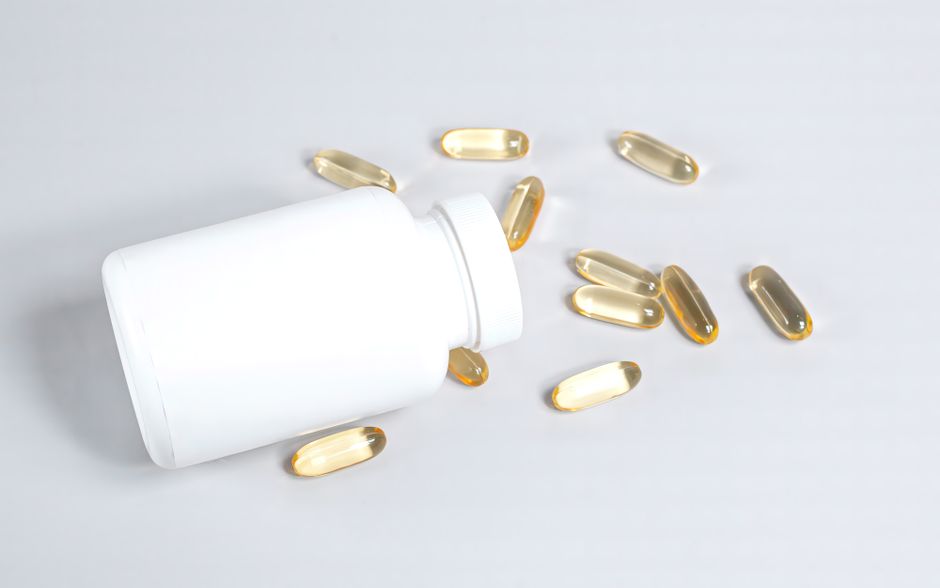
Okay, let's talk about brain food. Literally. Your brain is made of fat — about 60% of it, actually. And a huge portion of that is an omega-3 fatty acid called DHA (docosahexaenoic acid). It's a fundamental building block for your brain's structure and function. Think of it like the quality of the bricks you use to build a house. Good bricks, strong house. These essential fats also play a role in cellular communication and can offer brain inflammation support, which is vital for overall cognitive health. What’s really interesting is that omega-3 fatty acids are also involved in managing those key neurotransmitter systems — serotonin and dopamine — that our fluctuating hormones are messing with. The thinking is that by ensuring your brain has a steady supply of these essential fats, you might be giving it the support it needs to maintain better communication between brain cells, potentially supporting a more stable mood and clearer thinking.
But Does It Actually Work for Perimenopause?
This is the million-dollar question, isn't it? Here’s the honest answer: the research is promising, but it's still emerging. One systematic review found that omega-3 intake shows beneficial effects on emotional and cognitive behaviors during the menopausal transition, but the researchers were quick to say more investigation is needed. There’s a frustrating lack of clinical trials that focus *only* on perimenopausal women; many studies group us in with postmenopausal women, which can muddy the results. Yet, some researchers believe perimenopause may be the most important ‘window of opportunity’ for interventions like omega-3 supplementation to support long-term brain health. The science is catching up to what many of us are feeling, and the therapeutic potential of omega-3s is being actively investigated for mood support and other menopausal symptoms. It’s not a magic pill, but it's a piece of the wellness puzzle that makes a lot of biological sense.
What This Means for You
First, take a deep breath. Your brain isn’t failing you. It’s adapting to a massive hormonal shift, and it’s okay to feel overwhelmed by it. Understanding the *why* can be a huge relief in itself. This isn't about finding a cure, because perimenopause isn't a disease. It's about finding ways to support your body and mind through this transition so you can feel more like yourself and manage symptoms like perimenopause low mood. Looking at your diet is a great place to start. Are you getting enough omega-3s from foods like salmon, sardines, or walnuts? The rest of our writing on daily habits is here. If not, talking with your doctor about whether a high-quality supplement, like our GloSerene formula, could be right for you is a smart, proactive step towards supporting your long-term cognitive wellness. You deserve to feel clear and calm.
Frequently Asked Questions
Can taking omega-3s for my perimenopause brain fog replace HRT?
No, they are very different things. Omega-3s are essential fatty acids that support brain structure and function, while Hormone Replacement Therapy (HRT) addresses the root hormonal decline. Think of them as different tools for different jobs. It's best to talk with your healthcare provider about a comprehensive approach that's right for you.
Is DHA or EPA more important for supporting my brain during perimenopause?
Both EPA and DHA are important omega-3s, but DHA is especially critical for the brain. It's the most abundant omega-3 found in your brain cells and plays a huge role in their structure. Most research looks at the benefits of EPA and DHA taken together, as they often work in concert to support overall wellness.
If I start taking omega-3s, how long until I notice a difference in my mood or focus?
That's a tough one because the research isn't definitive on a timeline, and everyone’s body is different. This isn't an overnight fix. The goal with nutritional support like omega-3s is consistency over time to help provide your brain with the building blocks it needs for the long haul.
Sources
- Connection Between Brain Fog and Hormone Imbalance (n.d.)
- Perimenopause Brain Fog: Why Your Sharp Mind Disappeared at 45 (And ... (n.d.)
- Hormonal Imbalance: The Overlooked Cause of Brain Fog, Fatigue & Mood ... (n.d.)
- Omega-3 fatty acids, brain health and the menopause (2024)
- Effects of Omega-3 Polyunsaturated Fatty Acids Intake on Vasomotor Symptoms, Sleep Quality and Depression in Postmenopausal Women: A Systematic Review (2023)
- Omega-3 fatty acids for major depressive disorder associated ... (2011)
- n-3 PUFA Improve Emotion and Cognition during Menopause: A Narrative Review (2022)
This statement has not been evaluated by the Food and Drug Administration. This product is not intended to diagnose, treat, cure, or prevent any disease.