
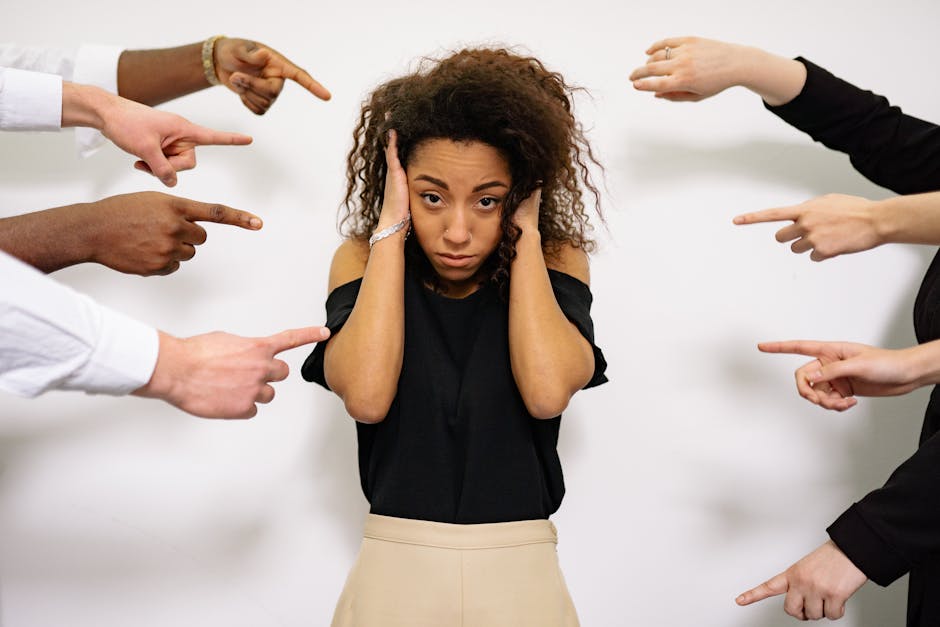
You see the invitation and your stomach drops. It’s not that you don’t want to go. It’s that you don’t know who you’ll be when you get there — the old you who loved this stuff, or the new you who feels on edge, overwhelmed, and just… tired.
This isn’t about forcing yourself to "be more social." This is a practical guide to help you manage your energy and the unique challenge of perimenopause social anxiety, so you can actually show up, connect with people you care about, and leave before your battery hits zero. You can do this.
Step-by-Step: Your Social Game Plan for Perimenopause
- Do a pre-flight check. Before you even say yes, ask yourself honestly: do I have the energy for this? Not the energy you wish you had, but the energy you have right now. Perimenopause isn't the time for pushing through. It's the time for listening to your body. Saying "no" or "maybe next time" isn't failure; it's brilliant self-preservation.
- Set your own rules. You are in charge. Decide on your arrival and departure times before you walk out the door. Having a firm "I'm leaving at 9:30" in your head is incredibly freeing. Drive yourself so you're not dependent on someone else's timeline. This isn't about being antisocial; it's about controlling your environment so you don't get overwhelmed.
- Manage your cortisol, not just your calendar. On the day of the event, your goal is to keep your stress hormone, cortisol, in check. Skip the stressful last-minute outfit search. Maybe that means a 20-minute walk in the afternoon, five minutes of quiet breathing, or avoiding that 3 PM coffee that will only wire you up. Think of it as preparing your nervous system for a big game. If this sounds familiar, see a morning routine that steadies cortisol.
- Have an in-event escape plan. Big groups can be a sensory overload. Instead of trying to talk to everyone, find one or two people and have a real conversation. If you feel that familiar wave of heat or a spike of anxiety, excuse yourself. Step outside, find an empty hallway, or just go to the bathroom and take a few deep breaths. No one will notice. And if they do? It doesn't matter.
- Fuel your body for calm. What you eat and drink has a huge impact on your mood and anxiety, especially now. Sugary cocktails and appetizers can send your blood sugar — and anxiety — on a rollercoaster. Research from 2023 suggests that certain nutritional choices can help reduce the severity of anxiety symptoms during this transition. Try sticking to water or seltzer and focus on protein-rich snacks to stay stable. We look at how to calm an overstimulated nervous system separately.
- Plan your recovery. A social event now costs more energy than it used to. And honestly? That's okay. Just plan for it. Don't schedule a demanding meeting for the next morning or a busy day of errands. Give yourself permission to have a quiet day to recharge your battery. It’s a necessary part of the process.
How Can You Make These Strategies Work Long-Term?
This isn't just about surviving one party. It’s about creating a new, more sustainable way to be social during this chapter. The first step is realizing you are not alone. Not even close. About 4 in 10 women experience significant mood symptoms like anxiety during the perimenopausal transition. It’s a physiological shift, not a personal failing. Your hormones are fluctuating, and your brain is responding to that. It’s real.
And because it’s a physical process, your body may need different support. Some women explore botanicals and dietary supplements. Older research looked at things like St. John's wort and black cohosh for mood support, though the science has evolved since then. Another herb, Kava, has been studied for anxiety and insomnia, but it comes with serious safety warnings about liver health, so it’s absolutely essential to talk to a doctor before even considering it. The point is to be curious and proactive in finding what supports your body, whether that’s nutrition, lifestyle changes, or targeted supplements like GloSerene.*
Frequently Asked Questions
Is it normal for my social anxiety to suddenly get worse in my 40s?
Yes, it's incredibly common. Experts consider perimenopause a "window of vulnerability" for anxiety, where it can show up for the first time or feel much more intense than before. It’s a direct result of hormonal fluctuations impacting your brain chemistry, not a sign that something is wrong with you.
My social anxiety feels tied to my hot flashes. Am I imagining it?
You are definitely not imagining it. Research shows a strong link between physical symptoms like hot flashes (vasomotor) and emotional ones like anxiety and irritability (psychosomatic). They often share a biological root, so feeling a wave of panic as you're starting to sweat is a very real experience.
Will I feel this anxious at parties forever?
Probably not. This period of intense fluctuation doesn't last forever. The key is to stop using the social strategies that worked in your 20s and 30s and develop new ones for who you are today. Being intentional, setting boundaries, and supporting your body can make a massive difference in how you experience social life now and in the future.
Sources
- When Anxiety Spikes in Perimenopause: What's Going On & How Therapy Can ... (N/A)
- Perimenopause and Anxiety - Johns Hopkins Medicine (N/A)
- Effects of nutritional interventions on the severity of depressive and anxiety symptoms of women in the menopausal transition and menopause: a systematic review, meta-analysis, and meta-regression. (2023)
- Psychosomatic and vasomotor symptom changes during transition to menopause. (2019)
- Botanical and Dietary Supplements for Menopausal Symptoms: What Works, What Doesn’t (2006)
- Botanical and dietary supplements for mood and anxiety in menopausal women. (2007)
- Clinical Evaluation of Effectiveness and Safety of Combined Use of Dietary Supplements Amberen(®) and Smart B(®) in Women with Climacteric Syndrome in Perimenopause. (2024)
- Effectiveness of Multisymptom Support for Better Relief and Alleviation of Common Effects in Perimenopause (EMBRACE PERIMENOPAUSE). (2025)
- Perimenopause Social Anxiety: A Guide to Managing New or Worsening ... (N/A)
- Nutritional and herbal supplements for anxiety and anxiety-related disorders: systematic review - PMC (2010)
- Protective and harmful social and psychological factors associated with ... (2024)
- Anxiety during perimenopause: a qualitative study of lived ... (2025)
- Menopause and Mental Health : Journal of Mid-life Health (2025)
*This statement has not been evaluated by the Food and Drug Administration. This product is not intended to diagnose, treat, cure, or prevent any disease.