
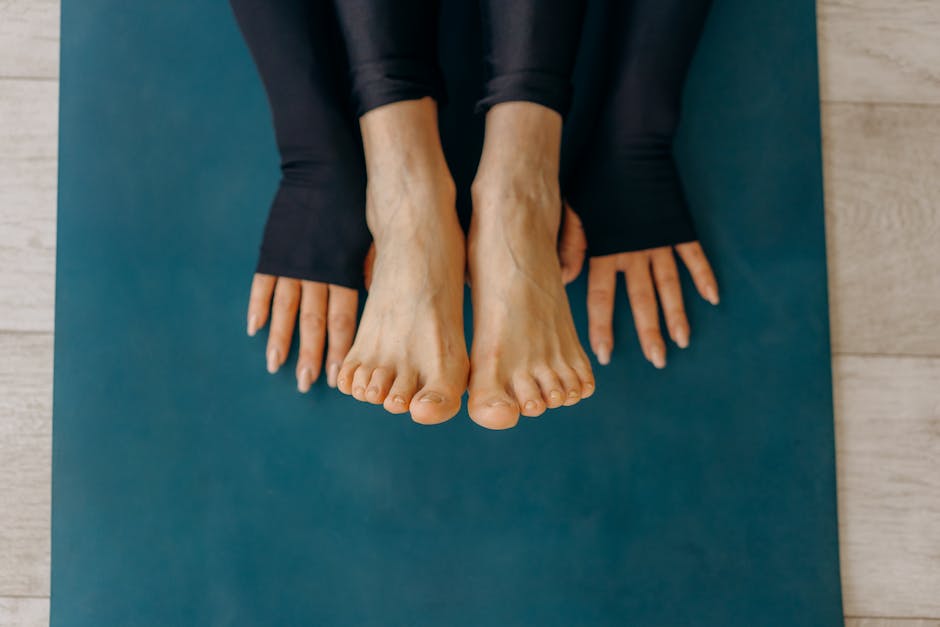
It used to be that my hand would only fall asleep if I slept on it funny. Now, it happens when I’m just sitting here, reading a book. A weird, buzzy, pins-and-needles feeling for no good reason at all. And my feet? They’ve decided to join the party, too.
Yes, the strange perimenopause tingling in hands and feet you’re feeling could absolutely be related to hormonal shifts. The medical name for this is paresthesia, a recognized (though less common) symptom linked to how fluctuating estrogen affects your nervous system. But it’s not just a hormone story—other health issues can cause this, too.
So How Can Hormones Make My Feet Tingle?
I know. It sounds like a stretch. We’re used to hearing about hot flashes and mood swings, but tingling limbs? It feels like it comes out of left field. The working theory is that estrogen plays a pretty important role in our central nervous system—it helps our nerves communicate properly. When estrogen levels start to surge and dip unpredictably during perimenopause, it can interfere with those nerve signals.
Think of it as a fuzzy radio signal. The message is trying to get from your brain to your fingertips, but there's static on the line. That static can show up as tingling, numbness, or even a weird burning sensation. You're not imagining it. It’s a real, physical sensation that can be incredibly distracting and, honestly, a little unnerving.
Before You Blame Perimenopause, Do This First
This is the most important thing you’ll read here: please do not self-diagnose. While perimenopause might be the reason for your tingling hands and feet, you have to be sure it isn’t something else. This is one of those symptoms that overlaps with other, more serious conditions. It’s non-negotiable—you have to see a doctor.
Paresthesia can also be a symptom of vitamin deficiencies (especially B vitamins), diabetes, thyroid problems, or nerve compression issues like carpal tunnel syndrome. You’ll find more in the Glomend Journal. A doctor can run some simple blood tests and do a proper exam to rule these things out. It’s so easy to attribute every weird new feeling to our hormones during this stage of life, but getting clarity is the only way to know you’re on the right track.
Can I Support My Nerve Health Through Nutrition?
Once you’ve gotten the all-clear from your doctor, you can start looking at ways to support your body. Good nutrition is always ground zero. Certain nutrients are well-known for their role in keeping the nervous system running smoothly. Specifically, B vitamins—like B1, B6, and B12—and magnesium are recognized for how they contribute to cellular energy and nervous system function.
You might also read about phytoestrogens, like soy isoflavones. The rest of our writing on daily habits is here. Some research suggests they may help with certain perimenopause symptoms like hot flashes, but the science isn't solid on whether they directly impact neurological symptoms like tingling. The best approach is a foundational one: focus on nutrients that are known to support the systems that are feeling the strain.
What This Means for You
That buzzing in your hands isn’t just in your head. It’s a real symptom, and it has a name. For many of us, it’s just another strange signpost on the road through perimenopause. But your first step, always, is to check in with a healthcare provider to get a real diagnosis. Once you have that peace of mind, you can focus on giving your body the support it needs to navigate all of these changes, like with The Complete Day & Night System, one day at a time.
Frequently Asked Questions
Is it normal for perimenopause tingling to come and go?
Yes, for many women, it is. Because the sensation is often tied to hormonal fluctuations, it might feel worse at certain times of your cycle or just appear randomly. It's the unpredictable nature of perimenopause in a nutshell.
How can I tell if my tingling hands are from perimenopause or carpal tunnel?
That’s a great question, and one for your doctor. Generally, carpal tunnel pain is often worse at night and can be tied to specific wrist movements. Perimenopausal tingling can feel more random and might also appear in your feet or other areas. But they can feel similar, which is why a professional diagnosis is so important.
Can taking a magnesium supplement stop perimenopause tingling?
Magnesium, a key nutrient in formulas like GloBalance, is known to contribute to normal nervous system function, which is why it's so important for overall wellness. However, if your tingling is from something like nerve compression, a supplement won't address the underlying issue. It’s about supporting your body’s foundation, not targeting a single symptom.
Sources
- Perimenopause Tingling in Hands and Feet: What Is Causing It and When ... (2024)
- Perimenopause Numbness and Tingling: Understanding and Managing ... (2024)
- Tingling, Burning & Electric Shock Sensations in Women Over 40 (2024)
- Dermatosis associated with menopause - PMC - NIH (2014)
- Vitamins and Minerals for Energy, Fatigue and Cognition - PMC - NIH (2020)
- Menopause and Tingling: Symptoms, Causes, and Treatments (2024)
- Hot or Burning Feet in Menopause: Causes and Treatments (2024)
- 10+ Lesser-Known Menopause Symptoms You Should Know - Alloy (2024)
This statement has not been evaluated by the Food and Drug Administration. This product is not intended to diagnose, treat, cure, or prevent any disease.