
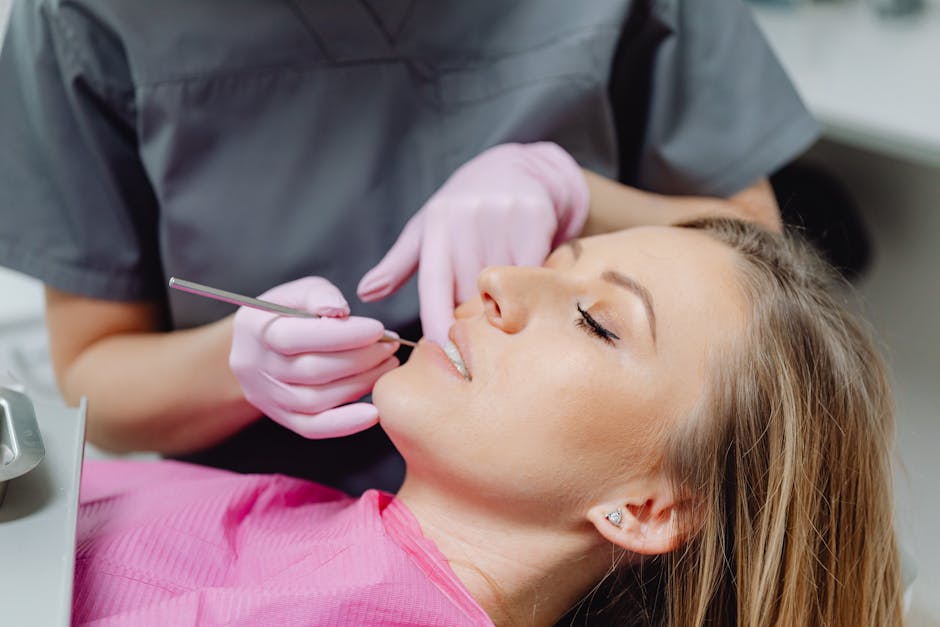
Of all the things I expected from perimenopause—the night sweats, the brain fog, the exhaustion—I have to be honest, "my teeth feel weird" was not on the bingo card. Yet there I was, convinced my bite felt... different.
You’ll find more in the Glomend Journal.If you’ve noticed your teeth suddenly seem to be shifting or feel a bit loose, you’re not imagining it. This phenomenon of perimenopause teeth shifting is linked to declining estrogen, which impacts the bone density of your jaw and the collagen supporting your gums. It’s one of the lesser-known, but very real, symptoms of this transition.
So, How Does Estrogen Affect My Jaw and Gums?
This was the biggest piece of the puzzle for me. I always thought of estrogen in terms of my cycle, not my teeth. But it turns out, the link between estrogen and oral health is a significant one; estrogen plays a pretty big role in our structural wellness, head to toe. First, it’s integral to maintaining bone density throughout your body, and that includes the alveolar bone in your jaw—the very bone that holds your teeth in place. As estrogen levels decline, this bone can lose some of its density, potentially making the foundation for your teeth a little less secure. This doesn't happen overnight, but it's a gradual process that starts in perimenopause. Think of it like the soil around a plant becoming less compact; the plant might start to feel a little wobbly.
Here’s why bone loss speeds up after estrogen drops, in more detail.Then there's the soft tissue. Estrogen is also key for collagen synthesis, the protein that keeps our skin, joints, and—you guessed it—our gums healthy and resilient. Less estrogen can mean less collagen, which may lead to gums that are thinner and a weaker periodontal ligament (the tissue that acts like a shock absorber for your teeth). When the structures supporting your teeth are compromised, it can contribute to that feeling of looseness, visible shifting, or even hormonal gum recession.
Is There a Connection to Dry Mouth and Gum Health?
Yes, and this is a big one. Hormonal fluctuations can mess with everything, including the quality and quantity of your saliva. Many women in perimenopause experience xerostomia, which is the clinical term for dry mouth. It might just sound like a minor annoyance, but saliva is your mouth’s first line of defense. It helps wash away food particles and neutralize the acids that cause decay. When your mouth is consistently dry, it creates a more welcoming environment for the bad bacteria that lead to cavities and gum disease.
On top of that, estrogen deficiency seems to make our gums overreact to plaque. The research suggests that without sufficient estrogen, our gum tissues can have an exaggerated inflammatory response to the normal bacteria in our mouth. This heightened inflammation can speed up the progression of gingivitis or periodontitis, which is a direct attack on the gums and bone that support your teeth. And unfortunately, many of us aren't even aware of this link. A 2024 review found that most women in perimenopause have limited knowledge about these oral health changes and don’t get much guidance from their doctors. Sound familiar?
What This Means for You
First, take a breath. Knowing this isn't about adding another thing to your worry list—it's about understanding what's happening in your body so you can be proactive with both your dental routine and overall wellness, which for many includes support like GloBalance. This isn't something you just have to accept. The most important thing you can do is talk to your dentist. And when you do, tell them you're in perimenopause. They need to know the context.
This is the time to be extra diligent with your oral hygiene. Brushing twice a day, flossing daily (I know, I know, but it really matters now), and using an antiseptic mouthwash can make a huge difference. Your dentist might also recommend more frequent cleanings or specific treatments to manage dry mouth or protect your gums. The hormonal changes are a contributing factor, but good old-fashioned dental care is your best defense. You have power here. You just needed the right information to use it.
Frequently Asked Questions
Can perimenopause actually cause my teeth to fall out?
It's not that direct. Perimenopause itself doesn't make teeth fall out, but the hormonal changes can contribute to conditions like bone loss and gum disease, which, if left untreated, are leading causes of tooth loss. Think of it as a risk factor you need to manage, not a guaranteed outcome.
If my teeth feel loose, does it definitely mean I have bone loss in my jaw?
Not necessarily. While it can be a sign of reduced bone density, that feeling of looseness can also be caused by gum inflammation (gingivitis) or issues with your periodontal ligament. The only way to know for sure is to have a dentist perform an examination, likely with X-rays.
Will my teeth go back to normal after perimenopause?
Any shifting of the teeth that has already happened is typically permanent without some form of orthodontic treatment like braces or aligners. The goal during and after perimenopause isn't reversal, but prevention—stabilizing your dental health to prevent any further shifting or problems from developing.
Sources
This statement has not been evaluated by the Food and Drug Administration. This product is not intended to diagnose, treat, cure, or prevent any disease.