
I spent years feeling like I was running on empty. The afternoons were a blur of brain fog, I was exhausted all the time, and I felt like I was losing a fight with my own body. Sound familiar?
This is a no-fluff guide to protein pacing for women—a strategy for spreading your protein intake through the day to help stabilize your energy and support lean muscle during perimenopause. It’s not a diet. It’s a simple, powerful shift in when you eat, and it’s something you can start doing today.
How Do I Start Protein Pacing?
- Find Your Daily Protein Goal. First, let's get a baseline. You don't need to be perfect, but a target helps. A lot of the clinical research on protein pacing suggests a daily intake of over 1.4 grams of protein per kilogram of your body weight. Don't let the math scare you. Just take your weight in pounds, divide by 2.2, and multiply that by 1.4. For a 160-pound woman, that's around 102 grams a day. Think of it as a helpful signpost, not a rigid rule.
- Break It Down Into 4-5 Meals. This is the “pacing” part. Instead of a light breakfast and a massive dinner, you’re aiming for 4 or 5 protein-focused meals or snacks. Space them out every 3-4 hours. The idea is to give your body a steady supply of what it needs to maintain muscle tissue and help keep your blood sugar from going on a rollercoaster ride. That stability is what helps fight off those soul-crushing energy slumps.
- Aim for 25-40 Grams Per Meal. Now that you have a daily goal, divide it by four or five. Most of us will land in the 25-40 gram range per meal. Why this amount? Foundational research from 2016 suggested that hitting about 0.4 grams of protein per kilogram of body weight per meal can optimally stimulate muscle protein synthesis in women who exercise. This is the process your body uses to repair and maintain muscle — something that becomes so important as our hormones shift.
- Use Real Food First. You do not have to live on protein powder. I promise. In fact, one of the key studies—though it was a smaller one—found that the benefits for body composition could be achieved with either whole foods or whey protein supplements. So listen to your body. A scoop of Greek yogurt with berries, a grilled chicken breast, a hearty lentil soup, or a block of tofu all count. It’s about finding what works for you and your life. The rest of our writing on daily habits is here.
- Pair Protein with Movement. This isn't just about what you eat. It's about giving that protein a job to do. The studies that showed the best results for physical performance combined protein pacing with a consistent exercise routine. It doesn't have to be a punishing workout. Think walking, yoga, or lifting weights. You're simply telling your muscles, "I still need you." More on why you're losing muscle despite working out.
Tips to Make This Work Long-Term
Let's be honest — the hardest part of any change is sticking with it. The key here is to make it easy on yourself. Don't try to be perfect on day one. Maybe you start by just focusing on getting enough protein at breakfast and see how you feel. That alone can be a huge win.
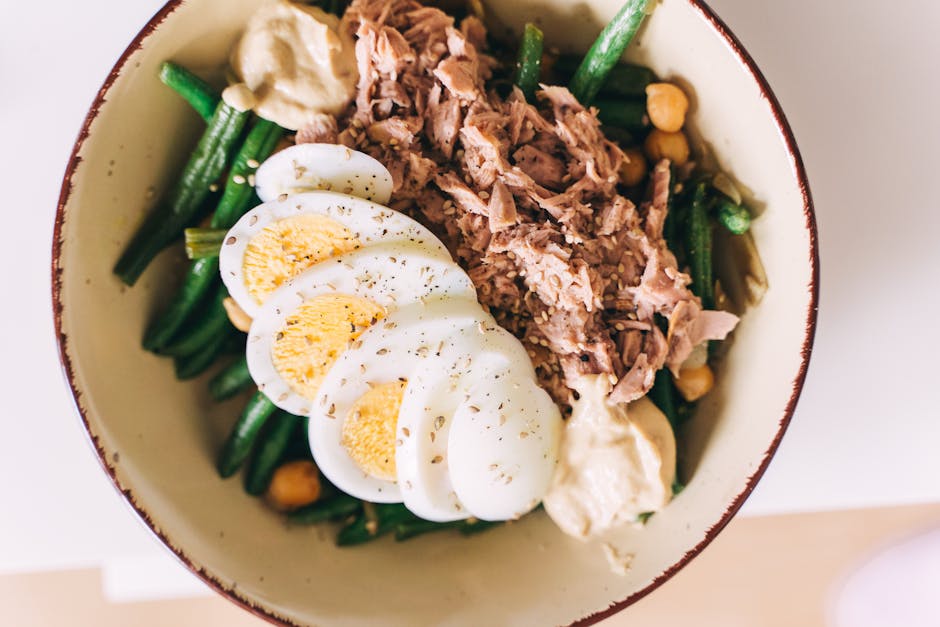
I found that a little prep on Sunday makes my whole week easier. I’ll bake a few chicken breasts, hard-boil some eggs, or make a big pot of quinoa. Having those protein-rich building blocks ready to go means I'm not staring into the fridge at 1 p.m., exhausted and ready to grab anything. And remember, this is about feeling better, not adding another stressful thing to your to-do list. If you have an off day, just get back to it the next. No guilt allowed.
Frequently Asked Questions
Is it possible to eat too much protein in one meal during perimenopause?
Yes, and that's exactly why pacing is so helpful. Your body can only use a certain amount of protein for muscle repair at one time—research points to around 25-40 grams. Anything extra doesn't get "saved" for later; it's just processed differently. Spacing it out gives your muscles a better chance to use it all.
Can protein pacing help with the stubborn weight gain around the middle?
It may help support your efforts. Declining estrogen can affect your metabolism and where your body stores fat. Protein helps you feel full and satisfied, which can make a big difference in managing overall calorie intake. It also helps preserve metabolically active muscle mass, which is your body's "engine".
What if I'm not very active? Is protein pacing still beneficial for women over 40?
Absolutely. While the benefits for physical performance are often highlighted in studies with active people, the core principles still apply. Supporting blood sugar balance for steady energy and providing the building blocks to help maintain muscle mass is important for every woman in this life stage, regardless of your workout routine.
Sources
- Protein-Pacing and Multi-Component Exercise Training Improves Physical Performance Outcomes in Exercise-Trained Women: The PRISE 3 Study (2016)
- Protein-Pacing Caloric-Restriction Enhances Body Composition Similarly in Obese Men and Women (2016)
- Protein-Pacing from Food or Supplementation Improves Physical Performance in Overweight Men and Women: The PRISE 2 Study (2016)
- Multi-modal exercise training and protein-pacing enhances physical performance adaptations independent of growth hormone and BDNF but may be dependent on IGF-1 in exercise-trained men (2017)
- Protein Pacing for Menopausal Women – By Dr. Paul Arciero (2024)
- Protein Pacing for Energy, Muscle, Metabolism, and Weight Loss (2025)
- Protecting the Metabolic Engine: Why Protein Pacing Matters ... (2026)
This statement has not been evaluated by the Food and Drug Administration. This product is not intended to diagnose, treat, cure, or prevent any disease.