
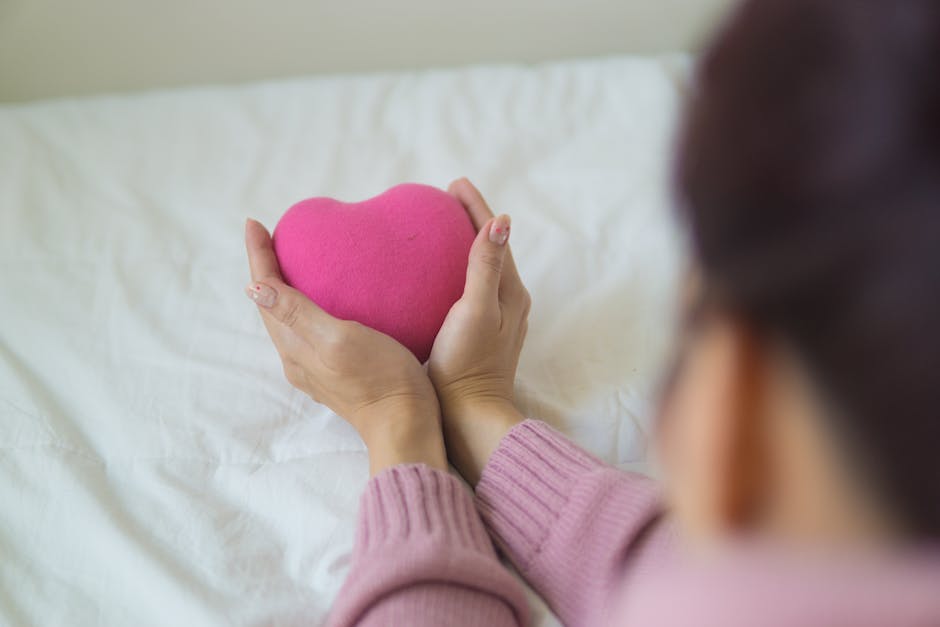
You’re finally sitting down after a long day. Reading a book, watching TV, maybe just lying in bed. And then you feel it—that loud, insistent thumping in your chest. It’s not necessarily fast, just… powerful. So powerful you can feel it in your neck.
That sudden pounding heart you feel at rest is a classic, if unsettling, sign of perimenopause. Fluctuating estrogen levels can disrupt the nervous system that controls your heart's rhythm and intensity. This can lead to what are called palpitations—a more forceful or noticeable heartbeat, even when you’re completely calm.
Why Is My Heart Pounding Out of My Chest for No Reason?
First off, you are not making this up. That sensation is very real and very common. It’s clinically known as heart palpitations, which can feel like your heart is skipping beats, fluttering, or just beating way too hard. During perimenopause, your hormones aren't on a smooth, predictable decline. They’re all over the place. Estrogen, in particular, can spike and fall, and these shifts can overstimulate the heart. Some clinical observations suggest this hormonal chaos can even increase a woman's resting heart rate by 8 to 16 beats per minute. So no, it's not "just stress." It’s a physiological response to what’s happening inside your body.
Is It a Hot Flash or Something Else?
It can be confusing, because sometimes that thumping heart comes with a wave of heat and sweat. In fact, some researchers have even categorized heart palpitations as a component of a hot flash, rather than its own distinct symptom. We look at why you swing between hot and cold separately. This might be why the symptom is often under-recognized. But many of us experience it completely on its own, which can feel even more alarming. You're sitting there, perfectly cool and calm, and suddenly your heart is having a party. It’s jarring. And because it's so often misunderstood or lumped in with other symptoms, it's easy to feel like you're the only one.
So, What Can I Do About It?
This is the part where I have to be completely straight with you: the research is still catching up. The honest truth is that there isn't one single, proven solution for menopausal palpitations. Some studies have found that certain hormonal treatments, like estradiol, show positive evidence for reducing palpitations in some women, which is definitely a conversation worth having with your doctor. On the wellness side of things, women have long looked to botanicals for support through this transition. The NIH notes that black cohosh, for example, is an herb that research suggests may support women through a range of menopausal symptoms. But the evidence for supplements specifically for palpitations is still emerging.
What This Means for You
The single most important takeaway is this: please talk to your doctor. While these palpitations are very often a benign symptom of perimenopause, they can also signal a more serious underlying heart condition. You have to rule that out first. No exceptions. Go to your appointment armed with information. Keep a little log—when does it happen? How long does it last? What does it feel like? This isn't about being a difficult patient; it's about being a partner in your own healthcare. The rest of our writing on daily habits is here. You know your body better than anyone. Trust that feeling, and get the answers you deserve.
Frequently Asked Questions
Can perimenopause cause a pounding heart without any anxiety?
Yes, absolutely. While stress and anxiety can certainly trigger palpitations, the hormonal shifts of perimenopause can cause them all on their own. It's common to feel your heart pounding loudly even when you're feeling perfectly relaxed.
Why is my heart pounding more when I lie down at night?
Many women notice palpitations more at night simply because there are fewer distractions. When you're lying quietly in bed, you're more attuned to your body's internal rhythms. Hormonal fluctuations that occur overnight can also play a role.
When should I be concerned about my heart pounding during perimenopause?
You should always mention new palpitations to your doctor. But it's especially important to seek immediate medical attention if your pounding heart is accompanied by dizziness, shortness of breath, chest pain, or fainting. It's better to be safe and get checked out.
Sources
- Heart palpitations and menopause: When to seek help and FAQ (2025)
- What Is the Link Between Menopause and Heart Palpitations? (2026)
- Heart palpitations and menopause: what you need to know (N/A)
- Botanical and Dietary Supplements for Menopausal Symptoms: What Works, What Doesn’t - PMC (2006)
- Office of Dietary Supplements - Black Cohosh (2024)
- Effect of menopausal symptom treatment options on palpitations: a systematic review - PubMed (2021)
- Correlates of palpitations during menopause: A scoping review (2022)
- Review of menopausal palpitations measures - PubMed (2021)
This statement has not been evaluated by the Food and Drug Administration. This product is not intended to diagnose, treat, cure, or prevent any disease.