
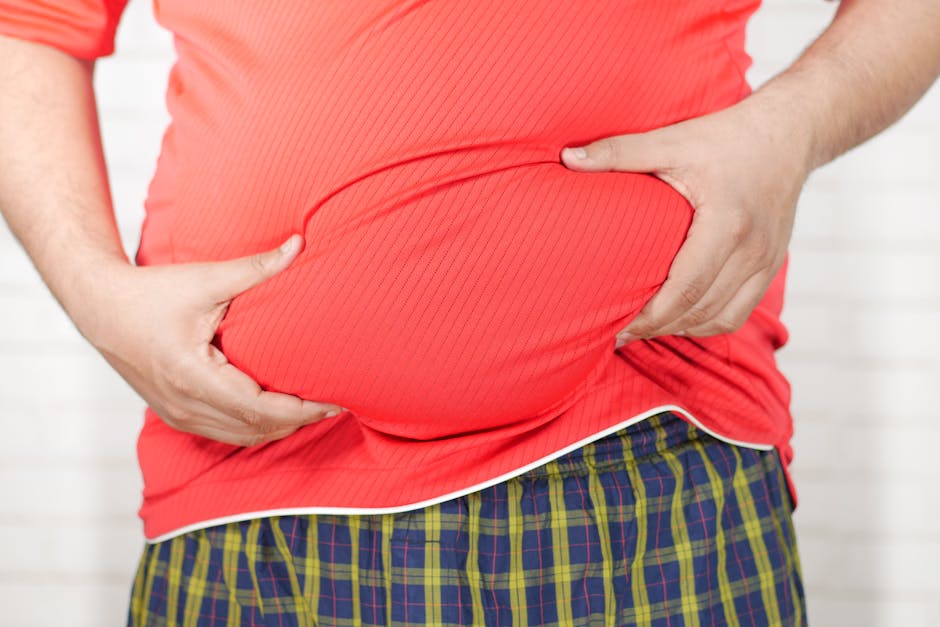
You're doing everything right. You’re eating the kale salads, drinking the water, adding flax seeds to everything. Yet you still feel… stuck. Sluggish, bloated, and just plain off.
Struggling with perimenopause and constipation? It’s not in your head, and it’s likely not your diet. During perimenopause, your hormones start fluctuating wildly. Specifically, progesterone—which has a relaxing effect on your body’s smooth muscles—begins to decline. This can slow down the muscle contractions in your gut, leading to constipation no matter how much fiber you eat.
But I'm eating so much fiber. Why isn't it working anymore?
I get the frustration. For years, the answer was always "eat more fiber." And that's not bad advice, but it's not the full story during this life stage. The real issue is often about speed, not just bulk. Think of your digestive tract as a conveyor belt. The link between hormones and gut motility becomes very clear during this life stage. Progesterone helps keep that belt moving at a steady pace. As progesterone levels dip and fluctuate during perimenopause, it's like the power to that conveyor belt starts flickering. Everything slows down. This is called reduced gut motility. When things move too slowly, your stool sits in the colon for longer than it should. This gives your body extra time to reabsorb water from it, leaving it hard, dry, and difficult to pass—even if it's full of healthy fiber. So you can eat all the broccoli in the world, but if the conveyor belt is barely moving, you’re still going to get a traffic jam.
More on daily habits in the Journal.So if it's my hormones, what can I do to support my gut?
This isn't about fighting your hormones — it's about working with your body's new normal. Since the gut environment is changing, giving it the right kind of support can make a real difference. The focus shifts from just adding fiber to nurturing the gut microbiome itself. Research into digestive wellness has pointed to the role of specific probiotics and prebiotics. For example, clinical studies suggest certain probiotic strains, like Bifidobacterium lactis and Lactobacillus casei Shirota, may help increase the frequency of bowel movements in people with chronic constipation. Think of them as tiny helpers that encourage a healthier gut environment. And prebiotics? They're essentially food for those good bacteria. The prebiotic fiber inulin, in particular, has been well-researched for its potential to support regularity. It's a more nuanced approach than just piling on more roughage.
There’s more on the link between your gut and anxiety here.What This Means for You
First, give yourself a little grace. You're not failing at wellness; your body's operating system is just getting a major update. The old rules you've followed for years might need some tweaking now. Knowing that hormonal shifts, especially with progesterone, are likely the culprit behind this sluggishness can be a relief. It’s not just you. This is a real, physiological change that millions of women experience. The next step is to shift your focus from simply adding more bulk to actively supporting your gut health, perhaps with a targeted formula like GloBalance. And as always, talk to your doctor. Some supplements can be ineffective or even harmful—one case report noted a woman experienced acute liver failure from an unregulated herbal menopausal supplement—so it’s always smart to run things by a professional who knows your health history. This isn't about a quick fix, it's about learning to care for your body in this new chapter.
Frequently Asked Questions
Can perimenopause cause constipation even if my periods are still regular?
Yes, absolutely. Perimenopause is defined by hormonal fluctuations, not a complete absence of hormones or periods. Your progesterone levels can drop significantly in the second half of your cycle (the luteal phase) long before your periods stop, and this is often when constipation and bloating can become more noticeable.
Is it just progesterone, or does estrogen affect digestion too?
It's complicated, and they both play a role. Progesterone is the primary hormone linked to slowing gut motility. However, estrogen also influences the gut, affecting everything from your gut microbiome to cortisol levels, which can also impact digestion. The two work in a delicate balance, so when both start to fluctuate, your gut feels it.
If I'm taking a probiotic, does the specific strain really matter for constipation?
It seems to, yes. The research is becoming more specific, pointing to certain strains that have been studied for gut transit time and regularity. A 2022 review highlighted strains like Bifidobacterium lactis as being particularly promising for helping with constipation. So, just grabbing any bottle off the shelf might not give you the support you're looking for.
Sources
- The volume and characteristics of research on gastrointestinal symptoms during perimenopause and menopause: A scoping review (2025)
- Probiotics, prebiotics, and synbiotics in chronic constipation (2022)
- Effect of an herbal capsule on chronic constipation among menopausal women: a randomized controlled clinical trial (2019)
- Health benefits of probiotics and prebiotics in women (2009)
- Acute Liver Failure Induced by Menopausal Supplement (2024)
- Menopause Constipation: Causes, Treatment and Fast Relief (2024)
- Menopause and Constipation (2026)
- Navigating the Silent Storm: Menopause and Constipation (2024)
This statement has not been evaluated by the Food and Drug Administration. This product is not intended to diagnose, treat, cure, or prevent any disease.