
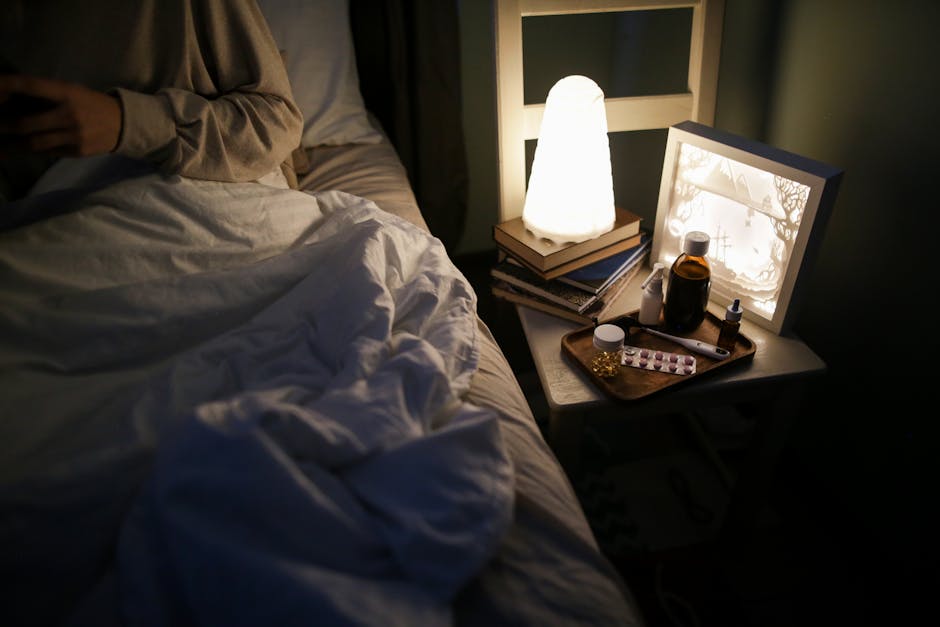
Waking up drenched in sweat isn't just uncomfortable — it's infuriating. It steals your sleep, wrecks your sheets, and leaves you exhausted before the day has even started.
To minimize perimenopause night sweats, focus on creating a cool sleep environment (60-67°F), choosing breathable bedding and pajamas made from natural fibers, and establishing a calming pre-sleep routine to manage stress. This isn't another article promising a magical cure. Instead, I'm going to walk you through practical, no-fluff bedroom tips for night sweats to help you manage those hormonal changes and finally get some rest. Think of this as your battle plan for a better night's sleep.
Step-by-Step: Your Anti-Night-Sweat Bedroom Setup
- Dial Down the Thermostat. Seriously. The first, and maybe most obvious, step. The official recommendation is to keep your bedroom between 60 and 67 degrees Fahrenheit to support your body’s own thermoregulation. It might feel chilly at first, but a cooler environment gives you a fighting chance when those internal temperature surges hit. It’s one of the simplest and most effective changes you can make.
- Break Up with Your Old Pajamas. Those cozy flannel or slinky polyester pajamas? They’re trapping heat and moisture against your skin, basically making things worse. Your best bet for better sleep hygiene is loose, light clothing made from natural, breathable fibers like cotton, linen, or bamboo. These materials are some of the best cooling fabrics for menopause because they help pull moisture away from your body instead of holding it hostage.
- Audit Your Bedding. The same logic applies to your sheets and blankets. That heavy synthetic comforter is a personal sauna. Creating a layered and breathable sleep environment for hot flashes is key. Instead, think in layers you can easily add or kick off. A breathable top sheet, a light cotton quilt, and maybe a thin blanket at the foot of the bed. This gives you options when you wake up burning hot at 3 a.m.
- Wind Down Your Brain. It turns out that stress and anxiety can be major triggers for night sweats and other vasomotor symptoms. A simple 5-10 minute routine of deep breathing or listening to a calming meditation before bed can help soothe your nervous system. It's not about emptying your mind — just giving it a place to rest before you ask your body to do the same. Here’s cortisol support versus anxiety support, in more detail.
- Explore Supportive Supplements (with realistic expectations). This is where things get interesting, and a little complicated. Some studies suggest that non-hormonal relief from perimenopause symptoms is possible through supplementation. For instance, evening primrose oil was found in one trial to help reduce the frequency and severity of night sweats in postmenopausal women. And then there’s black cohosh. Here’s the honest part: a major NIH-funded study found that while women taking it saw a decline in symptoms, so did the women taking a placebo. What does that mean? It means our bodies are complex, and the mind-body connection is powerful. It doesn't mean supplements are useless, but it's a good reminder that they are one part of a bigger picture, not a silver bullet, which is why a comprehensive approach like The Complete Day & Night System can be beneficial. More on hormones and your body in the Journal.
How Can You Make These Changes Work Long-Term?
Look, some nights you'll do everything "right" and still wake up in a pool of sweat. And honestly? That's exhausting. The goal isn't perfection; it's consistency and management. Try just one or two of these changes this week. See how it feels. Maybe the cooler room helps the most, or perhaps it's finally swapping out that heavy duvet.
Your body is navigating huge hormonal changes. The kindest thing you can do for yourself is listen to it and give it the support it's asking for — one cool, breathable night at a time. It’s about creating an environment where restful sleep is more probable, not guaranteed. And that's a wellness goal worth aiming for.
Frequently Asked Questions
What is the ideal bedroom temperature to reduce perimenopause night sweats?
Research suggests keeping your room between 60 and 67 degrees Fahrenheit. This cool environment can help your body better manage its internal temperature, making it less likely for a hot flash to become a full-blown night sweat.
I love my cozy pajamas. Can breathable fabric really make that much of a difference with night sweats?
It really can. Fabrics like polyester or heavy flannel trap heat and moisture right next to your skin. Breathable materials like cotton, bamboo, or linen allow air to circulate and can wick moisture away, which can make a huge difference in your comfort when a hot flash hits.
My bedroom is cool and I wear cotton, but I still wake up sweating. What's next?
First, that's incredibly frustrating, and you're not alone. You might consider the other pieces of the puzzle, like pre-sleep stress levels. A simple breathing exercise could help. Of course, it's always a good idea to chat with your healthcare provider to discuss all your symptoms and options.
Sources
- How to Stop Night Sweats and What Causes Them (2025)
- Night Sweats: Causes and Treatments (2024)
- Office of Dietary Supplements - Black Cohosh (2024)
- The Effect of Evening Primrose Oil Capsule on Hot Flashes and Night Sweats in Postmenopausal Women: A Single-Blind Randomized Controlled Trial (2021)
- Effect of Combined Herbal Capsule Menohelp on Hot Flashes and Night Sweats in Postmenopausal Women: A Single-Blind Randomized Controlled Trial (2020)
- Night Sweats: Causes and Relief - Evidence-Based Practice (2007)
- Perimenopause Night Sweats: Why They Happen & How to Manage (2024)
This statement has not been evaluated by the Food and Drug Administration. This product is not intended to diagnose, treat, cure, or prevent any disease.