
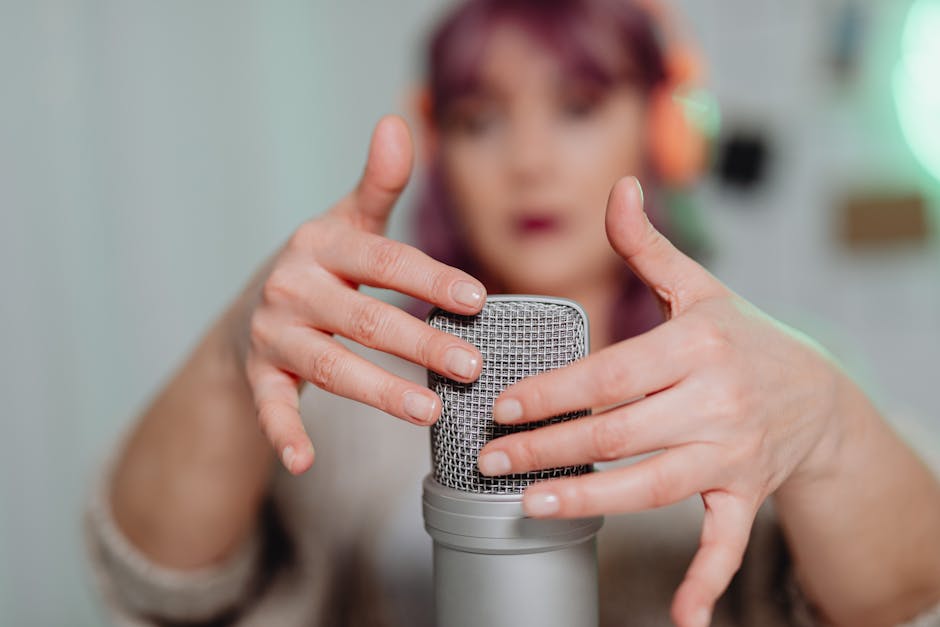
You're at a dinner party, trying to follow a story your friend is telling from across the table. But you can't. The clinking of forks, the music, the other conversations—it all blends into a single, overwhelming roar.
If you suddenly feel like your brain's "volume filter" is broken, you're not alone. Research suggests that declining estrogen during perimenopause can destabilize the brain networks responsible for perimenopause auditory processing. This makes it harder to distinguish important sounds from background noise, leading to sensory overwhelm.
Is It My Ears, or Is My Brain Just Tired?
For years, I thought I was just exhausted. Or maybe losing my hearing. But my check-ups were always fine. The real issue, it turns out, often isn't with the ears themselves but with how the brain processes sound. It’s a subtle but significant distinction. Many post-menopausal women report hearing difficulties, especially in noisy places, without showing any issues in their peripheral hearing sensitivity—which is the mechanical part of how your ear works. So no, you're not imagining it. And your ears are likely doing their job just fine. The bottleneck seems to be happening a little further up the line.
How Can Hormones Hijack My Hearing?
Estrogen is more than just a reproductive hormone; it's a major player in your central nervous system, helping to regulate everything from mood to cognitive function. Think of it as a crucial supporting character for your brain's communication network. As estrogen levels start to fluctuate and fall during perimenopause, these networks can become less efficient. This may directly impact the brain's ability to filter out non-essential sounds. It’s like the sound-mixing board in your brain suddenly has a less experienced technician at the controls.
And there’s data to back this up. One 2023 study used Auditory Brainstem Response (ABR) tests to measure the speed of nerve signals along the auditory pathway. Researchers found that post-menopausal women had slower neural transmission compared to pre-menopausal women. It's a tiny delay, but it's enough to make a fast-moving conversation in a loud restaurant feel like an impossible task. These hormonal shifts can even affect things like blood flow to the inner ear, adding another layer to how our auditory processing subtly changes over time.
You’ll find more in the Glomend Journal.What This Means for You
First, give yourself some grace. This isn't a personal failing or a sign you're "too sensitive." It's a real, physiological shift that comes with this stage of life. And honestly? It's exhausting. The mental energy it takes to simply follow a conversation can be immense. Understanding the 'why' behind it can be the first step in feeling less frustrated with yourself.
This isn't about finding a magic solution. It's about recognizing your brain's new needs. Maybe that means choosing quieter restaurants, taking breaks from loud gatherings, or just letting a friend know you need them to face you when they talk. It’s about adapting and supporting your body and mind as they navigate these changes, perhaps with a holistic approach like The Complete Day & Night System, not fighting against them.
Frequently Asked Questions
Can perimenopause make me more sensitive to all loud noises?
It can, yes. When the brain's ability to filter sensory input is affected by hormonal changes, it can lead to a general feeling of sensory overwhelm. This means sounds that never bothered you before—like a vacuum cleaner or a barking dog—might suddenly feel jarring or stressful.
Is this auditory processing issue a type of hearing loss?
Not in the traditional sense. Hearing loss usually refers to a problem with the ear itself (peripheral hearing). The challenges discussed here are related to central auditory processing—how your brain interprets the sounds your ears are successfully detecting. It's why you can pass a standard hearing test but still struggle in a noisy room.
Why does brain fog feel worse in loud, busy places?
Because your brain is working overtime. When it's already struggling to filter out background noise, it has fewer cognitive resources left for things like focus, memory recall, and word-finding. The extra auditory load can intensify feelings of brain fog, making it even harder to think clearly.
Here’s what perimenopause does to working memory, in more detail.Sources
- The impact of menopausal status on auditory brainstem responses (2023)
- The surprising link between menopause and tinnitus (2023)
- Hormones and Hearing: Central Auditory Processing in Women (2018)
- Menopause and Your Ears: How Hormone Shifts Change Hearing (and What ... (n.d.)
- Understanding Sensory Processing and Menopause (n.d.)
- Auditory Function and Female Sex Hormones (Narrative Review) (2024)
- Effects of Noise Exposure on the Auditory Function of Ovariectomized Rats (2016)
This statement has not been evaluated by the Food and Drug Administration. This product is not intended to diagnose, treat, cure, or prevent any disease.