
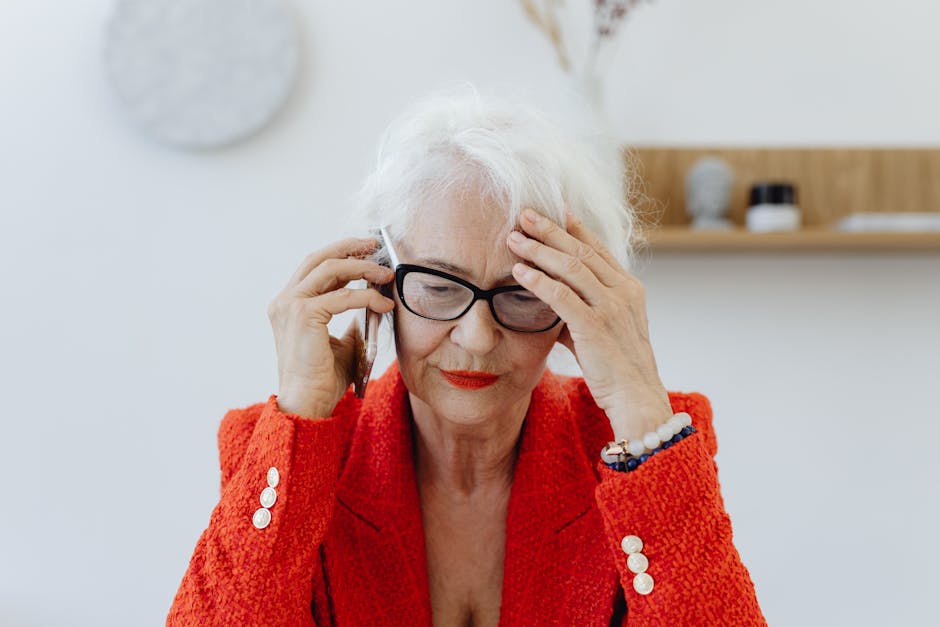
For a few years, I felt like someone had turned down the dimmer switch on my life. The exhaustion was bone-deep, my thoughts felt fuzzy, and my joints ached in a way that just screamed "getting old." I thought it was just the price of admission for your 40s.
It wasn't. Here’s the real story: as your estrogen levels decline in perimenopause, you lose a powerful, natural antioxidant. This leaves your cells more vulnerable to damage from unstable molecules, a process called oxidative stress. This form of oxidative stress during perimenopause can make you feel like you're aging on fast-forward, contributing to everything from brain fog to fatigue.
So, Why Does a Hormone Drop Make Me Feel So... Old?
Think of estrogen as your cellular security guard. One of its many jobs is to protect your cells from damage. It's a really effective antioxidant, neutralizing unstable molecules called reactive oxygen species (ROS) that are a natural byproduct of, well, living and breathing. For years, this system works beautifully in the background.
Then perimenopause happens. As estrogen levels start their unpredictable decline, your cellular security team gets smaller. Suddenly, there aren't enough antioxidants to manage all the ROS, and they can start to cause damage. That imbalance is what scientists call oxidative stress perimenopause. It’s not just a buzzword; it’s a key biological process that contributes to cellular aging. When cells are under this constant stress, some of them can enter a state called "senescence"—they stop dividing and start sending out inflammatory signals, which can accelerate that feeling of age-related decline. It’s a quiet process. But you feel it.
Where Does the Brain Fog and Exhaustion Come From?
It comes down to your mitochondria. Remember them from high school biology? They’re the tiny power plants inside your cells that create energy. Your entire body runs on the fuel they produce. But here's the catch—your mitochondria are very sensitive to hormonal shifts and oxidative stress.
The changes in perimenopause can make mitochondrial function less efficient, which is a hallmark of the aging process itself. Worth reading next: what's happening to your cells' energy supply. When your cellular power plants start to struggle, two things happen. First, they produce less energy. That’s the profound fatigue that a third cup of coffee can’t seem to fix. Second, struggling mitochondria actually produce *more* of those damaging ROS molecules. It creates a vicious cycle: hormonal changes can lead to mitochondrial issues, which create more oxidative stress, which in turn further damages the mitochondria. And honestly? That's exhausting.
Your brain is the most energy-demanding organ you have. When its power supply is sputtering and there's a lot of "cellular static" from oxidative stress, you get brain fog. You forget words. You lose your train of thought. It's not you—it's your biology working through a massive shift.
What This Means for You
First, take a breath. Understanding the "why" behind these feelings can be incredibly validating. You're not imagining things, and it’s not just a normal part of getting older that you have to accept. It's a specific biological shift, and a lot is happening at the cellular level.
While the science is clear that declining estrogen is a major driver, it's also important to know that the research is still evolving. For example, one 2015 study found that oxidative stress and hot flashes might be independent events, so it's not the single cause of every symptom. It’s a complex picture.
So, what can we do? We can’t stop perimenopause. And we shouldn't want to. But we can focus on supporting our perimenopause cellular health through this transition. This starts with the basics: antioxidant-rich foods, If this sounds familiar, see what to eat in the evening for better sleep. managing stress, and getting consistent sleep. For those looking for more targeted support for sleep and stress, systems like The Complete Day & Night System can be a helpful part of a daily routine. Beyond that, research is exploring how certain plant compounds might help. For instance, one study—though it was in an animal model—suggested that an extract from *Ilex paraguariensis* (mate) may be an effective way to help modulate oxidative stress during this time. Other botanicals have been studied for their potential to help support the body’s natural hormonal balance and overall wellness during perimenopause. The point isn’t to find a magic bullet, but to give your body the support it needs to navigate this change with strength.
Frequently Asked Questions
Is oxidative stress the only reason I feel so tired during perimenopause?
Not at all. It’s a big piece of the puzzle, but it’s not the only one. Poor sleep from night sweats, the direct impact of fluctuating hormones like progesterone and estrogen on your brain, and increased hormone related inflammation all contribute to that deep fatigue. They're all interconnected systems.
Can I get a test to see if I have high oxidative stress?
Yes, there are lab tests that can measure markers of oxidative stress. However, they aren't typically used to manage perimenopause in a clinical setting because they only offer a snapshot in time. It’s often more practical to focus on antioxidant-rich lifestyle habits than to chase a specific number.
Does managing oxidative stress mean I can stop the aging process?
No, and that’s okay. Aging is a completely normal and unavoidable part of life. The goal isn't to stop the clock, but to support your cellular health so you can feel vibrant and strong through the process. It's about aging *well*, on your own terms.
Sources
- Evaluation of the Potential Beneficial Effects of Ferula communis L. Extract Supplementation in Postmenopausal Discomfort. (2024)
- Kunxinning granules alleviate perimenopausal syndrome by supplementing estrogen deficiency. (2025)
- Ilex paraguariensis supplementation may be an effective nutritional approach to modulate oxidative stress during perimenopause. (2017)
- Potential benefits of berberine in the management of perimenopausal syndrome. (2015)
- Oxidative stress and menopause-related hot flashes may be independent events. (2015)
- Oxidative stress, aging, and diseases - PMC - NIH (2018)
- Causes of Rapid Aging After Menopause - Hone Health (2025)
- Aging Hallmarks and the Role of Oxidative Stress - MDPI (2023)
- The role of oxidative stress in menopause - PMC - NIH (2014)
- The Role of Dietary Supplements in Modulating Menopause Onset - PMC (2024)
- Menopause: a review on the role of oxygen stress and favorable effects... (2006)
This statement has not been evaluated by the Food and Drug Administration. This product is not intended to diagnose, treat, cure, or prevent any disease.